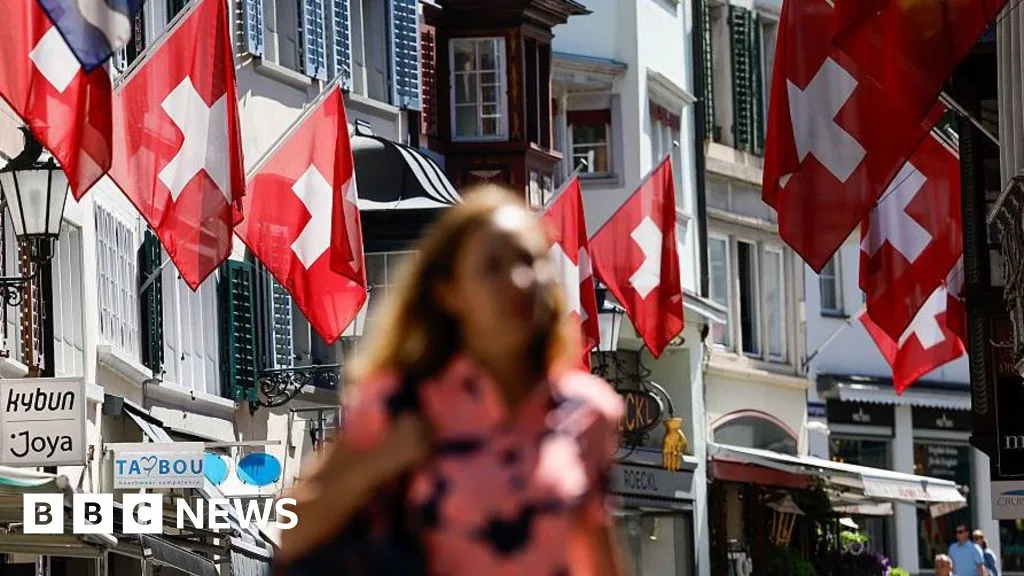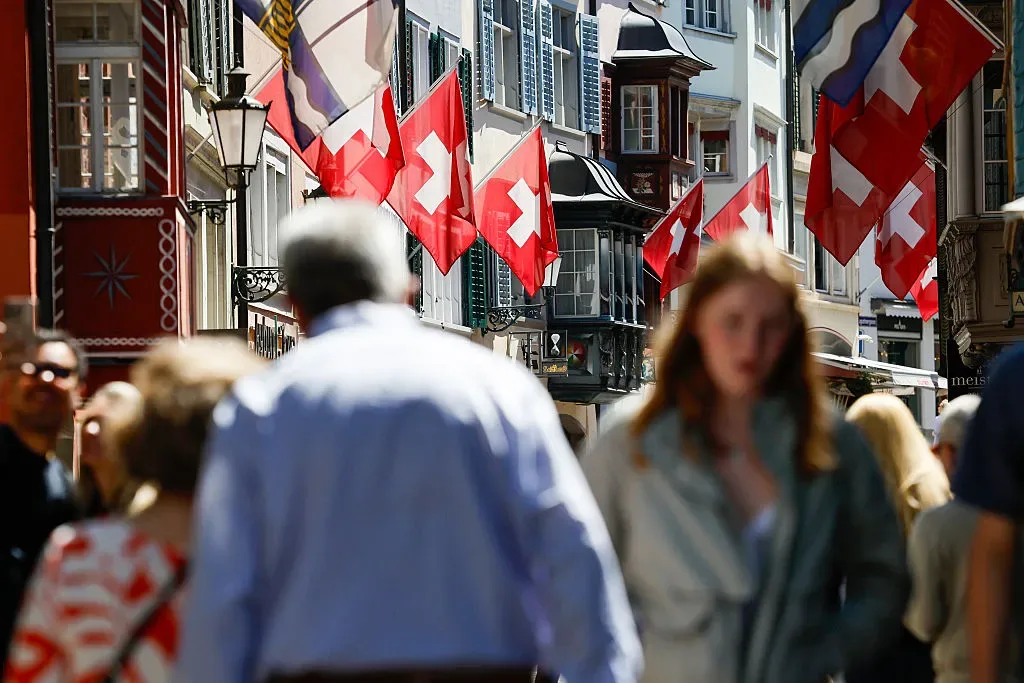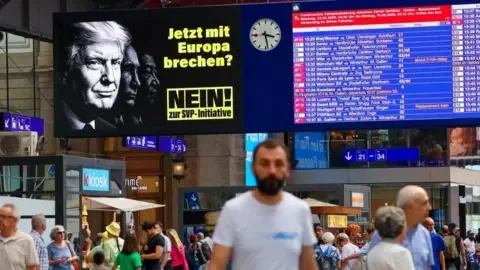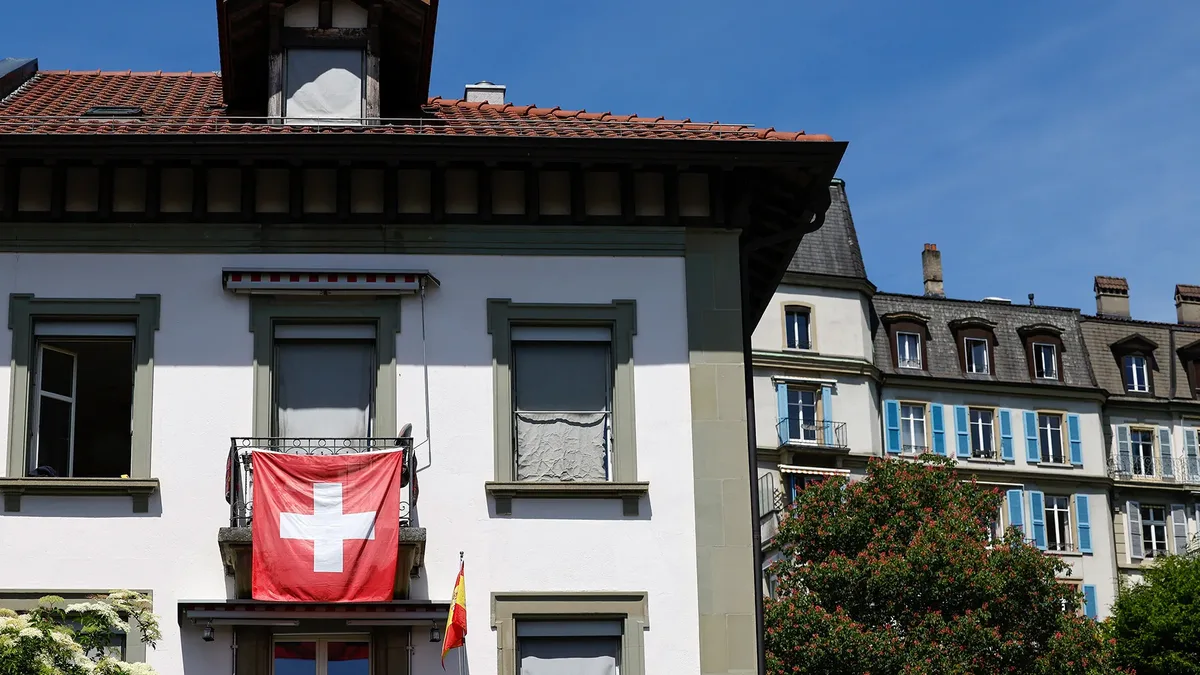
Swiss voters said no to a referendum proposal to cap the country's population at 10 million until 2050 on June 14, 2026. Early projections and final results showed about 55% voted against the proposal while 45% were in favour [1, 2, 3, 4, 5].
The population cap was primarily backed by the right-wing Swiss People's Party (SVP). They called it a sustainability measure to reduce pressure on housing, public services, the environment, and infrastructure. SVP politician Nils Fiechter said, "We have lost control. Unchecked immigration is leading to Switzerland no longer being Switzerland" [6, 7, 8, 9, 10, 11].
Opponents of the cap included the Swiss government, all major parties except SVP, business leaders, trade unions, and other groups. They labelled the referendum the "chaos initiative" and warned of economic harm, labor shortages, and strained ties with the European Union. Social Democrat politician Helin Genis argued, "It is not migrants who determine rent levels... nor is it migrants who make political decisions on housing, infrastructure or social investment" [6, 7, 8, 9, 10, 11].
Under the proposed cap, if the population exceeded 9.5 million before 2050, tighter immigration rules would restrict asylum seekers and family reunification. If the population surpassed 10 million for two consecutive years, Switzerland would have to end its freedom of movement agreement with the EU. This would also impact other bilateral accords and access to the EU single market [6, 7, 8, 9, 12, 10, 4, 5, 11].
Switzerland currently has about 9.1 million residents, including 27%-28% foreign-born or foreign nationals. The country's population has grown rapidly since 2002, when it was 7.3 million, partly due to the EU free movement agreement which took effect that year. Without intervention, the population is projected to reach 10 million in the early 2040s [6, 2, 7, 8, 9, 10, 4, 5].
Business leaders warned restricting immigration and ending free movement would damage Switzerland's economy and trade relations. Rudolf Minsch, chief economist at Economiesuisse, said the proposal "sells the illusion of a free lunch, and will not solve our housing or traffic problems" [6, 7, 8, 9, 10, 11].
Opponents also feared the cap would worsen labor shortages in sectors like hospitals, hotels, and tourism, which rely heavily on immigrant workers. Switzerland's aging population—about 20% over 65—increases the need for young workers to sustain the economy and social systems [6, 2, 8, 10, 11].
The referendum reflected concerns among many Swiss regarding overcrowded trains, expensive housing, and rising health costs, issues linked by some to immigration. Polling before the vote showed a closely divided electorate with some surveys indicating a slight majority opposing the cap [6, 10, 4, 5, 11].
Urs Bieri of polling firm GFS Bern said, "From the very beginning it has been presented as the chaos initiative. Voters were worried about negative consequences for Switzerland’s relationship with the EU and for the labour market. People are also worried about things like having enough care and health workers" [4].
The Swiss direct democracy system allows such major policy decisions to be decided by popular vote after sufficient signatures are collected [8, 10]. Swiss government spokesperson commented, "The free movement of persons is a key component of our relations. It is on this basis that we will look at the outcome of this vote" [9].
The next major population milestone will be closely watched as Switzerland's population continues to grow toward the projected 10 million in the coming decades.