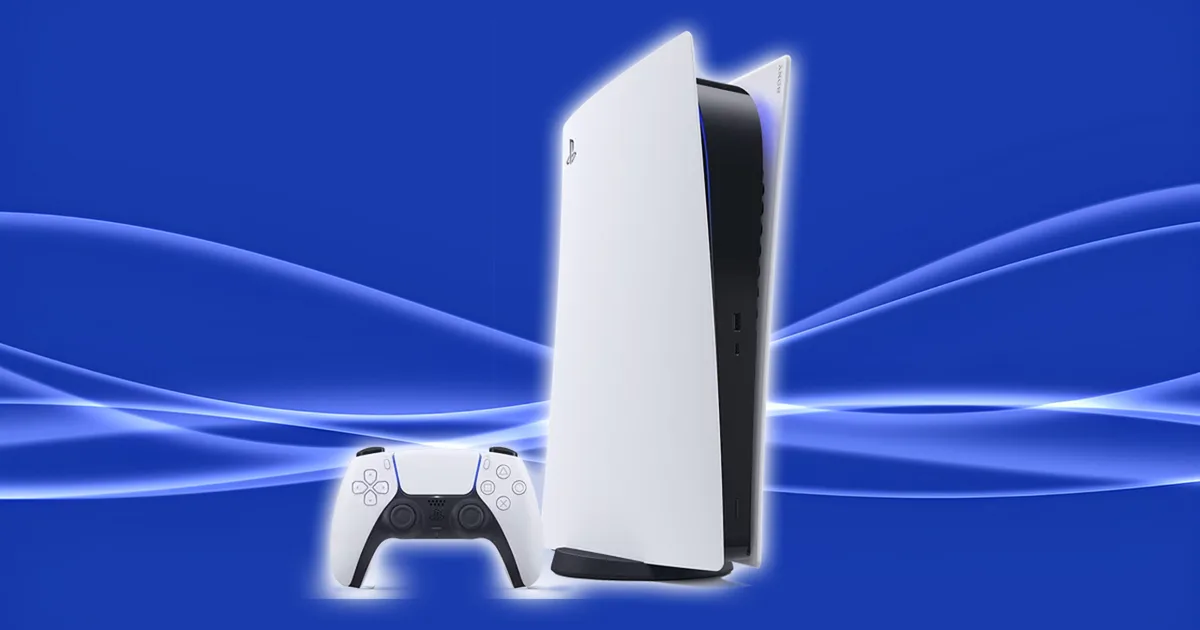
Sony released its fiscal year 2025-2026 financial report in May 2026, revealing that AI-driven memory shortages are expected to reduce PS5 hardware sales [1, 2]. CEO Hiroki Totoki said shortages linked to artificial intelligence will persist through 2027, affecting production capacity [1].
Sony plans to flexibly adjust PS5 sales volumes based on memory supply and pricing. The company may underproduce consoles and raise prices if memory pressures continue. Analyst Rhys Elliot said Sony is "more inclined to produce fewer consoles rather than bear the pressure of rising production costs" [1, 2].
The PS5 is now in its sixth year of lifecycle with a large install base supporting strong software and service revenues [1, 2]. Sony expects the release of GTA 6 later in 2026 to potentially boost PS5 sales beyond their cautious forecasts, as roughly two-thirds of past GTA multiplatform installs were on PlayStation [1, 2].
Sony's fiscal outlook for 2026 remains largely flat as investments continue in next-generation consoles [2]. Memory shortages are also creating uncertainty around the PS6 launch timing and pricing, reminiscent of semiconductor supply issues during the PS5 launch [2].
Sony’s core studios are expected to release upcoming games as cross-generation titles, initially prioritizing PS5 over PS6 exclusives [2]. The company is exploring new PS6 business models, including installment payment plans and multiple hardware versions at various price points [2].
Sony faces challenges with online services in Western markets but sees the Chinese market as a key area for game business growth. A recent title sold 2.3 million Steam copies with 45% of players from China [2].
Sony's next milestone will be GTA 6's launch in 2026, which could impact PS5 demand amid ongoing hardware constraints [1, 2]. The memory shortages expected through 2027 will continue to shape Sony's hardware production decisions and PS6 planning [1].