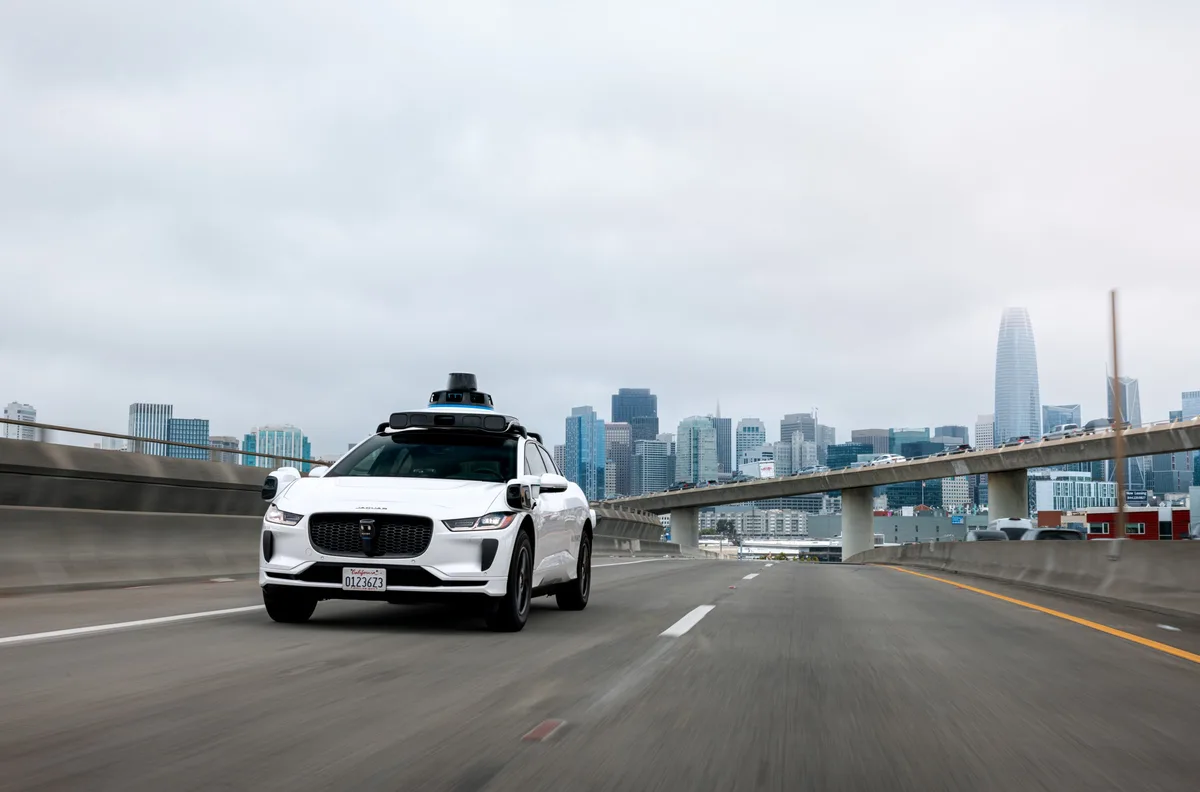
Waymo paused its robotaxi service across several US cities following incidents of vehicles driving into flooded roads and struggling in construction zones. The company suspended freeway operations in San Francisco, Los Angeles, Phoenix, and Miami due to difficulties navigating construction zones on May 21, 2026 [1, 2, 3]. Flooding-related interruptions took place in Atlanta, San Antonio, Dallas, and Houston, where robotaxis sometimes became stuck after entering flooded streets [4, 5, 3]. A Waymo spokesperson said, "Safety is Waymo’s top priority, both for our riders and everyone we share the road with. During a period of intense rain yesterday in Atlanta, an unoccupied Waymo vehicle encountered a flooded road and stopped" [4].
Waymo issued a voluntary software recall affecting approximately 3,800 vehicles equipped with its fifth- and sixth-generation automated driving systems to address the flooding issues [6, 4, 5, 3]. The flooding in Atlanta occurred before official flash flood warnings were issued, which limited the system’s ability to avoid flooded roads [4, 5]. Despite freeway suspensions, Waymo robotaxis continue to operate on surface streets in the affected cities [1, 3]. A spokesperson added, "We continue to closely monitor forecasts, alerts, and live weather conditions, and we will resume serving riders soon" [6].
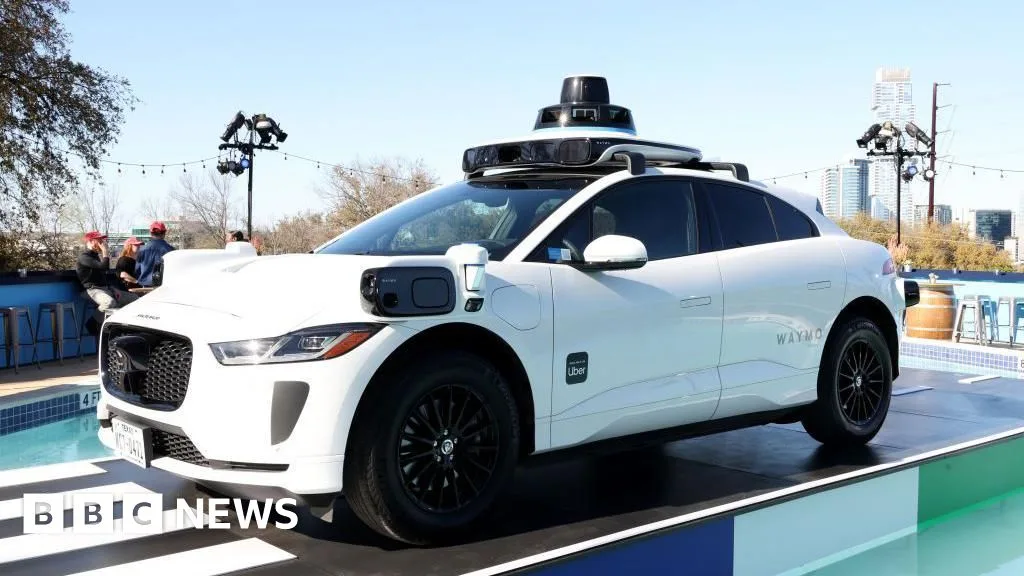
The company is targeting rapid expansion, aiming to reach one million paid rides per week by the end of 2026, up from about 500,000 currently. It is also testing a new Zeekr-built robotaxi model called Ojai [1, 3].
Safety concerns remain under regulatory review. On May 15, 2026, the National Highway Traffic Safety Administration (NHTSA) sent a second document request to Waymo related to robotaxi safety issues, including reports of vehicles illegally passing stopped school buses [4]. Waymo is working on additional software safeguards and technical improvements to resume paused services as soon as feasible [6, 1, 3].
Next steps include completing the software recall and resuming freeway robotaxi service once improvements pass testing and safety reviews.