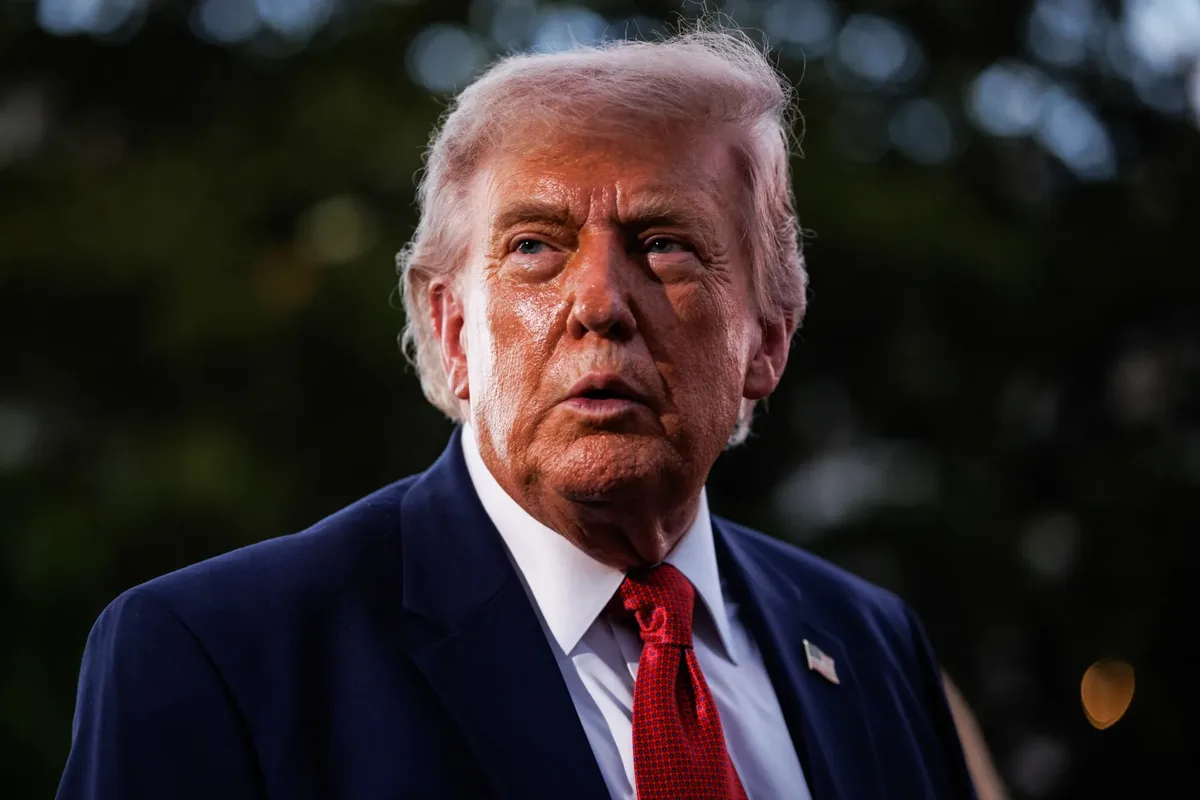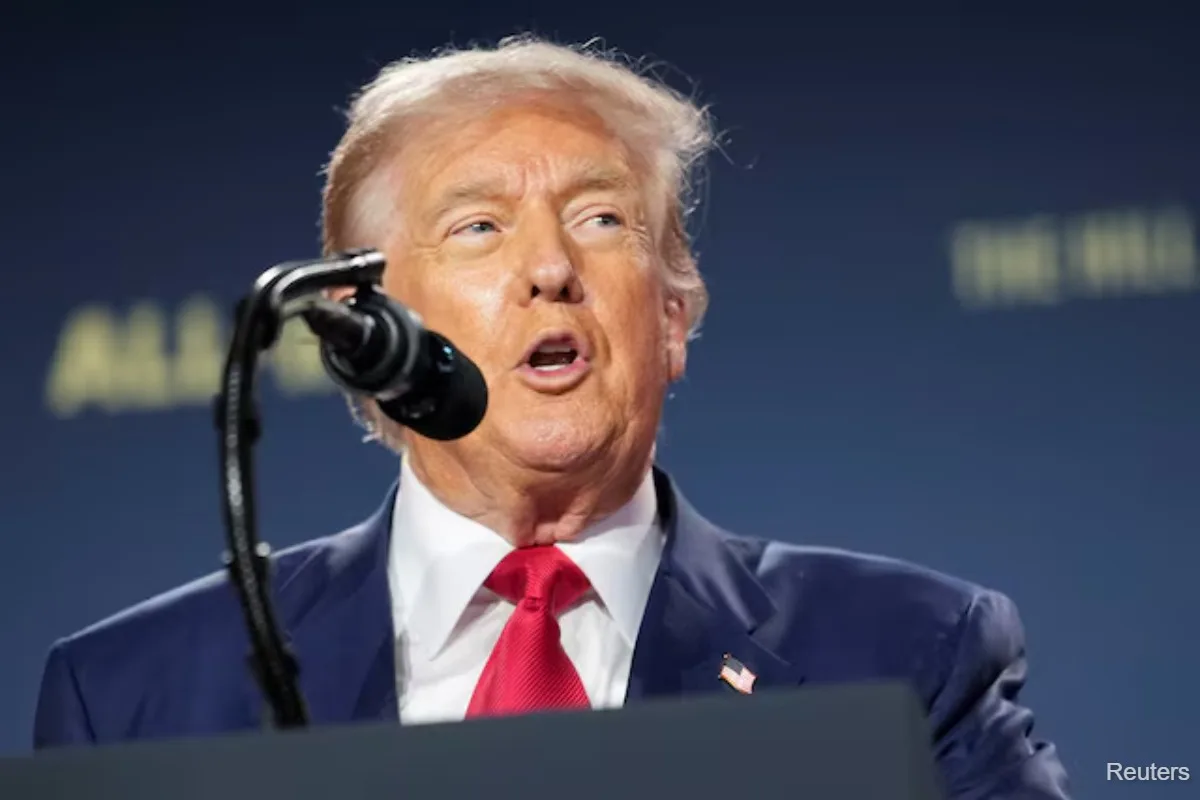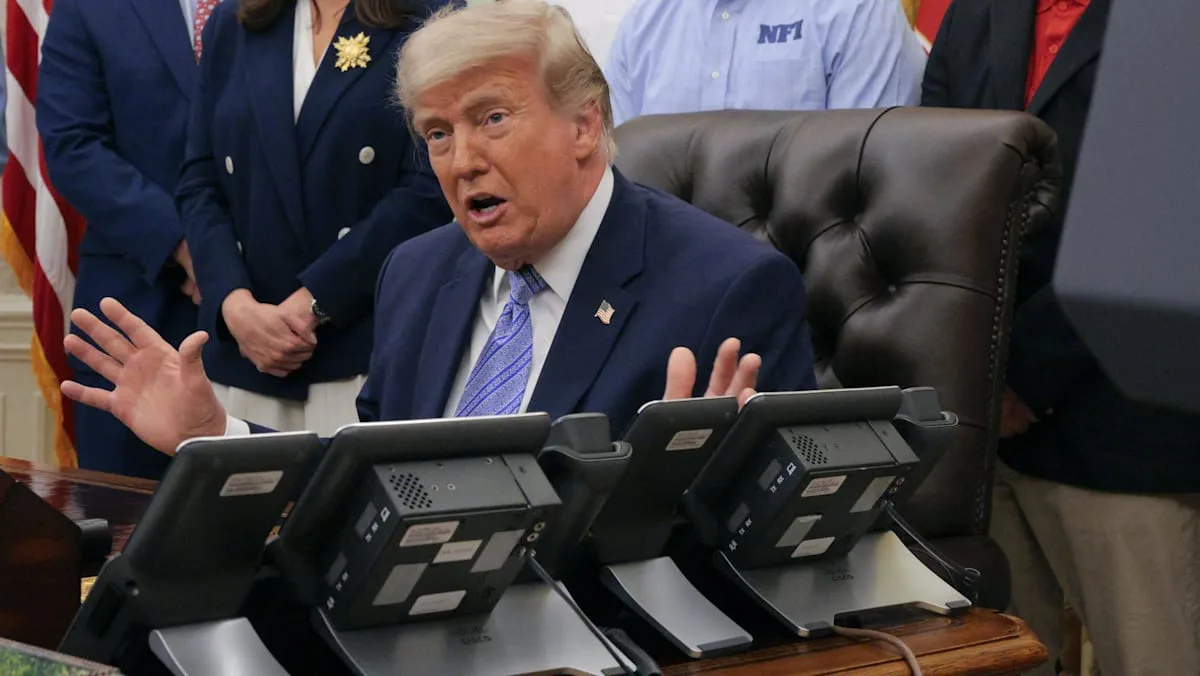
President Donald Trump delayed signing an executive order on AI cybersecurity around May 21 or 22, 2026, citing worries that it could undermine the United States' competitive edge over China in artificial intelligence. [1, 2, 3, 4, 5, 6] The order was planned to establish a voluntary government review framework requiring AI developers to submit models to the US government 90 days before public release and to grant early access to critical infrastructure entities such as banks. [7, 8]
Trump said in the Oval Office, "I think it will hold us back. We are ahead of China, we are ahead of everyone, and I don’t want to do anything that hurts that advantage." [2] The order's goal was to improve AI cybersecurity without imposing mandatory federal approval of models, reflecting a compromise between administration officials and tech industry leaders concerned about overregulation. [9, 7, 8]
The framework would have encouraged AI firms to cooperate with voluntary safety reviews before launching models to the public. [7, 2, 10, 8] It followed growing security concerns over advanced AI systems like Anthropic's Mythos and OpenAI's GPT-5.5-Cyber, which some fear could be misused for complex cyberattacks. [2, 8] However, some security experts have argued those "runaway hacker AI" risks may be overstated. [2, 6]
White House Chief of Staff Susie Wiles and National Cyber Director Sean Cairncross helped draft the order over about a month. [7] Vice President JD Vance underscored the need to balance innovation with security, stating at a May 19 briefing, "The president wants us to support innovation, and he wants America to win the global AI race, but at the same time, we must protect the people." [5]
Reports differed on whether pressure from tech figures influenced the delay. Elon Musk dismissed claims of involvement, saying he learned of the postponement only afterward. [1] Trump’s approach marks a softer stance on regulating big tech than previous administrations, even as some supporters call for stricter AI limits. [2, 4, 8]
The US government also plans to use advanced AI to boost cybersecurity for critical sectors like banking and healthcare. [2, 4, 6] Anthropic has held back releasing Mythos publicly due to its potential risks. [3, 8]
Trump’s administration faces divergent views on timing and scope of AI regulation, with ongoing debate over how to maintain US technological leadership while managing security risks. [5, 8]
The next key event will be further deliberations within the administration to revise the executive order, with no new signing date announced as of May 23, 2026. [1, 2]