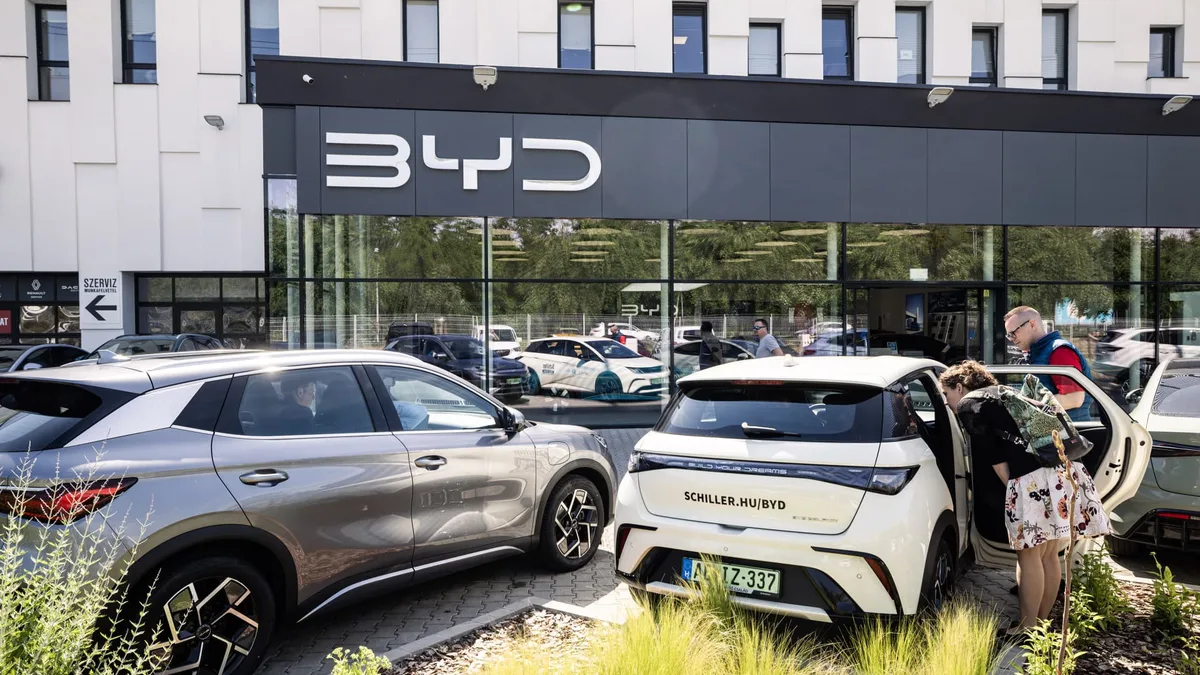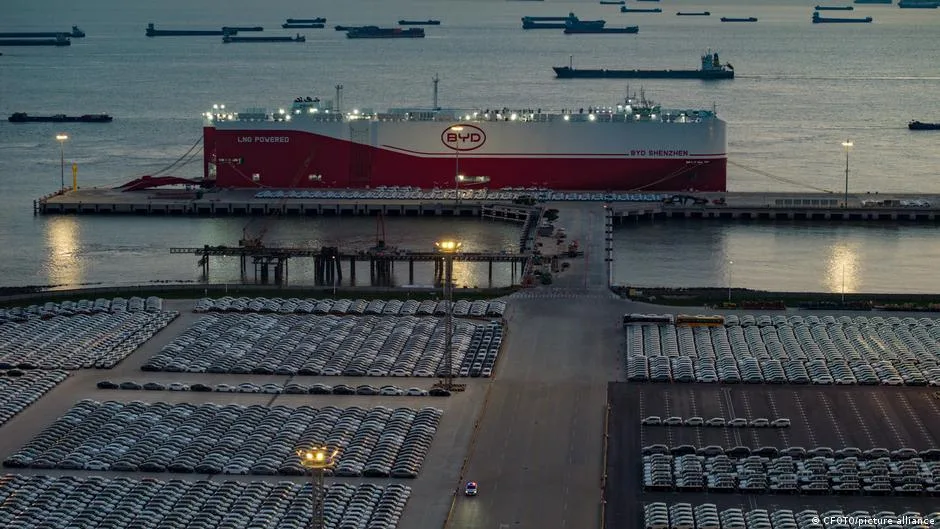
Republican Rep. John Moolenaar and Democrat Rep. Debbie Dingell introduced the Connected Vehicle Security Act on May 11, 2026. The bill aims to ban Chinese-designed connected vehicles, hardware, and software from the U.S. market beginning with software restrictions on January 1, 2027, and hardware bans starting January 1, 2030 [1, 2, 3, 4].
The legislation would also impose similar restrictions on connected vehicles from Russia, North Korea, and Iran [1, 2]. It aligns with bipartisan Senate efforts by Senators Elissa Slotkin and Bernie Moreno, which codify Biden-era limits on Chinese electric and connected vehicles over national security worries [1, 2, 3].
Former President Biden issued an executive order in January 2025 imposing high tariffs that effectively excluded Chinese-made vehicles from the U.S., citing potential data collection risks from connected cars [2, 3, 4]. More than 120 bipartisan House members sent a letter urging then-President Trump to block Chinese automakers from entering the U.S. market, warning of risks to American auto jobs and the industry [1, 2, 4].
Trump had initially suggested in January 2026 that Chinese makers could open factories and hire U.S. workers, but retracted amid bipartisan backlash [1, 5, 2, 3, 4]. Industry experts warn that Chinese ownership stakes in U.S. auto suppliers complicate market separation. Stephen Ezell of the Information Technology and Innovation Foundation said, "If your state is in the Rust Belt, letting Chinese automakers into the U.S. market would be detrimental and politically bad for many people. You're talking about risks to industry, jobs, factories and whole communities." [5]
Connected vehicles, which can access the internet and collect driver data, are seen as a national security threat. An anonymous U.S. congressman wrote in a Fox News opinion piece, "China does not play under the same free-market rules that America does... allowing those same firms to produce inside the United States will give a geopolitical adversary leverage over America’s economy from within." [6]
U.S. automotive groups and unions sent letters in March 2026 warning that Chinese EV ambitions threaten U.S. industrial competitiveness and security [7, 8, 2, 3, 4]. David Christ, Toyota North America manager, said Chinese automakers' low prices "have a significant impact on business operations." [7] The Alliance for American Manufacturing's Scott Paul noted President Trump "has left himself some wiggle room" on auto industry issues, but any new plants would take years before production begins [7].
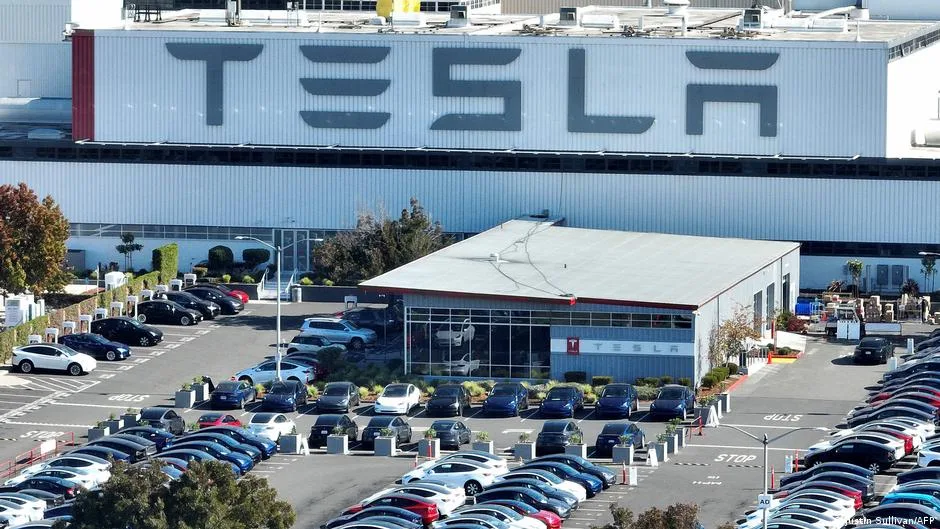
Chinese EVs have gained market share abroad, with about 6% in Europe in 2025 and 15% in Mexico, where models like Geely's EX2 sell at about $22,700 compared to Tesla Model 3's $38,630 in the U.S. [7, 8] The Chinese embassy in Washington criticized U.S. restrictions as discriminatory and called for a transparent business environment [2, 3, 4]. Polls show mixed U.S. consumer views: 49% rate Chinese cars "very good" or "excellent," while 40% support Chinese brands entering the U.S. market [2, 3, 4].
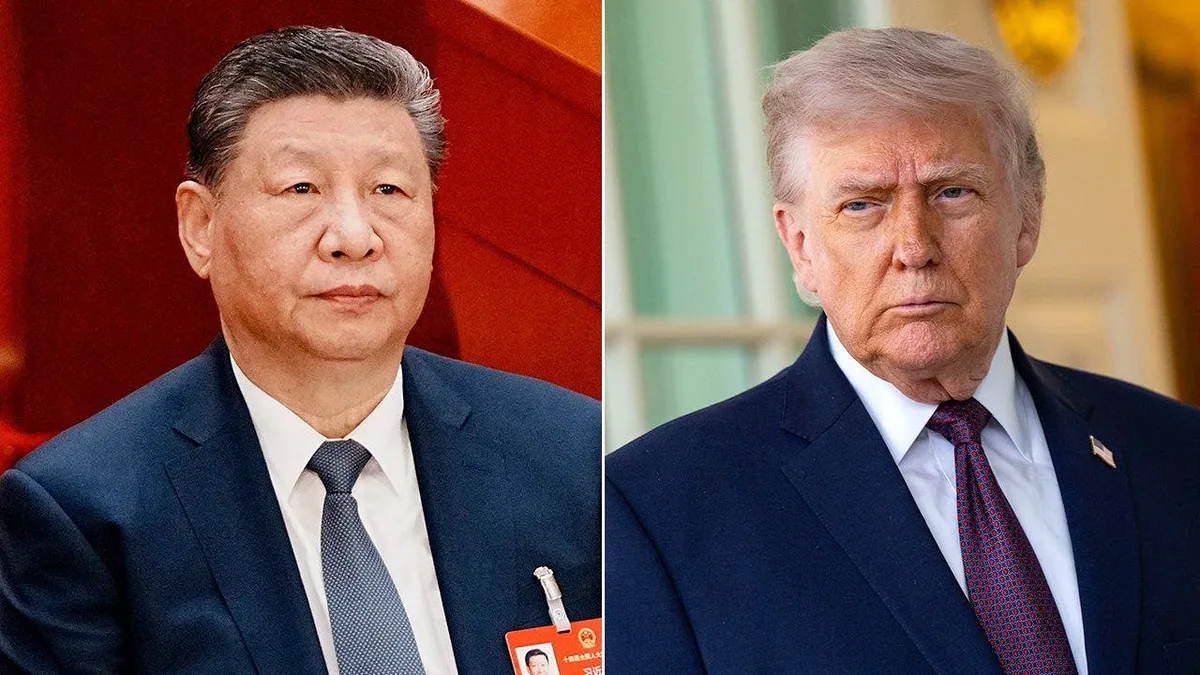
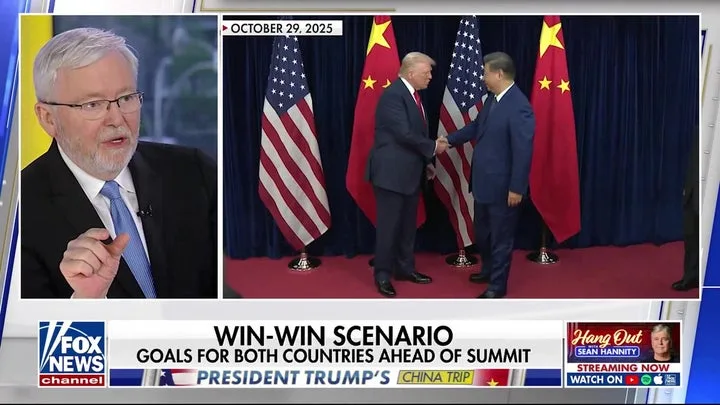
On May 14, during President Trump's visit to Beijing, automotive trade issues were reportedly absent from the summit agenda with Chinese President Xi Jinping [1, 7, 8]. U.S. Trade Representative Jamieson Greer and Commerce Secretary Howard Lutnick stated in April there are no plans to ease restrictions on Chinese automotive participation [1, 7, 8].