Standard Chartered CEO Bill Winters said artificial intelligence will eliminate nearly 8,000 support roles over the next four years, affecting more than 15% of support staff globally by 2030 [1, 2, 3, 4, 5, 6, 7]. Winters described the shift as "replacing in some cases lower-value human capital with the financial capital and the investment capital we’re putting in," sparking widespread criticism [1, 2, 8, 3, 4, 5, 6, 7].
His choice of words drew backlash on social media and from public figures including former Singapore president Halimah Yacob [2, 8, 3, 4, 5, 6]. Six days after his initial remarks on May 19, Winters sent an internal memo attempting to reassure staff and acknowledged the upset caused by his phrasing [2, 8, 4, 5, 6, 9]. He wrote, "I have received a lot of support for the messages in my previous post but still get questions about my choice of words, which I know has caused upset to some colleagues. For that I am sorry" [5].
Winters added, "lower-value roles are more vulnerable to automation, and that we have a responsibility to help colleagues move into higher-value roles. We will continue to speak honestly about the impact of technological change, and we will continue to act responsibly in helping our people to adapt and succeed" [4]. Standard Chartered said the job cuts were not simple cost-cutting measures but part of transitioning to more technology-driven roles across its global operations [2, 3, 4, 5, 7].
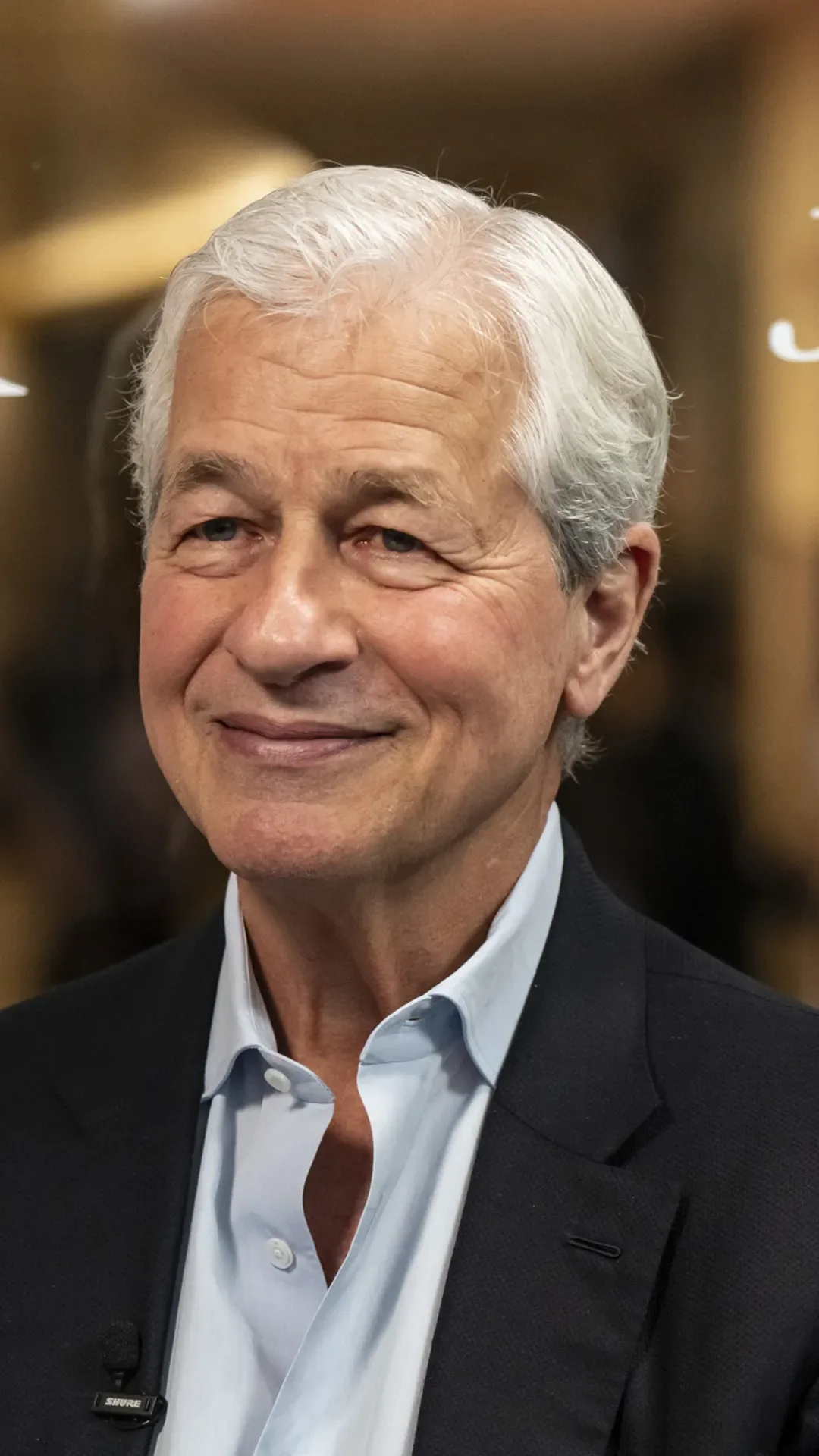
The bank employs about 82,000 people globally, including roughly 9,000 staff in Singapore and 27,000 in India [3, 5, 7]. Regulators in Hong Kong and Singapore sought clarity from Standard Chartered on Winters' remarks and the effects of the job cuts in their markets between May 20 and 21 [3, 10]. JPMorgan CEO Jamie Dimon described Winters’ comments as "an inartful way to say something" and noted AI will impact all jobs [11]. Winters assured affected employees would receive "good clear notice" ahead of any role changes [2, 7].
On May 22, Winters issued a public apology on LinkedIn reiterating his commitment to support employees during the transition [4, 5, 6, 9].