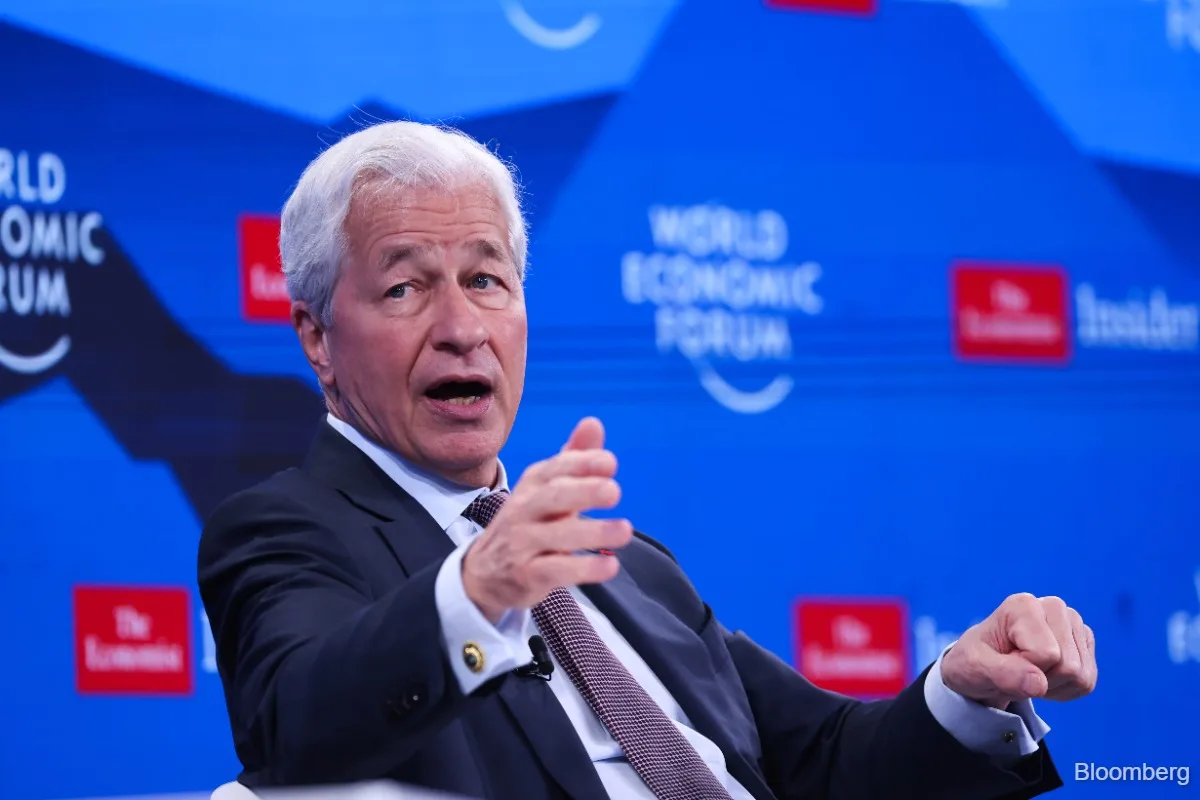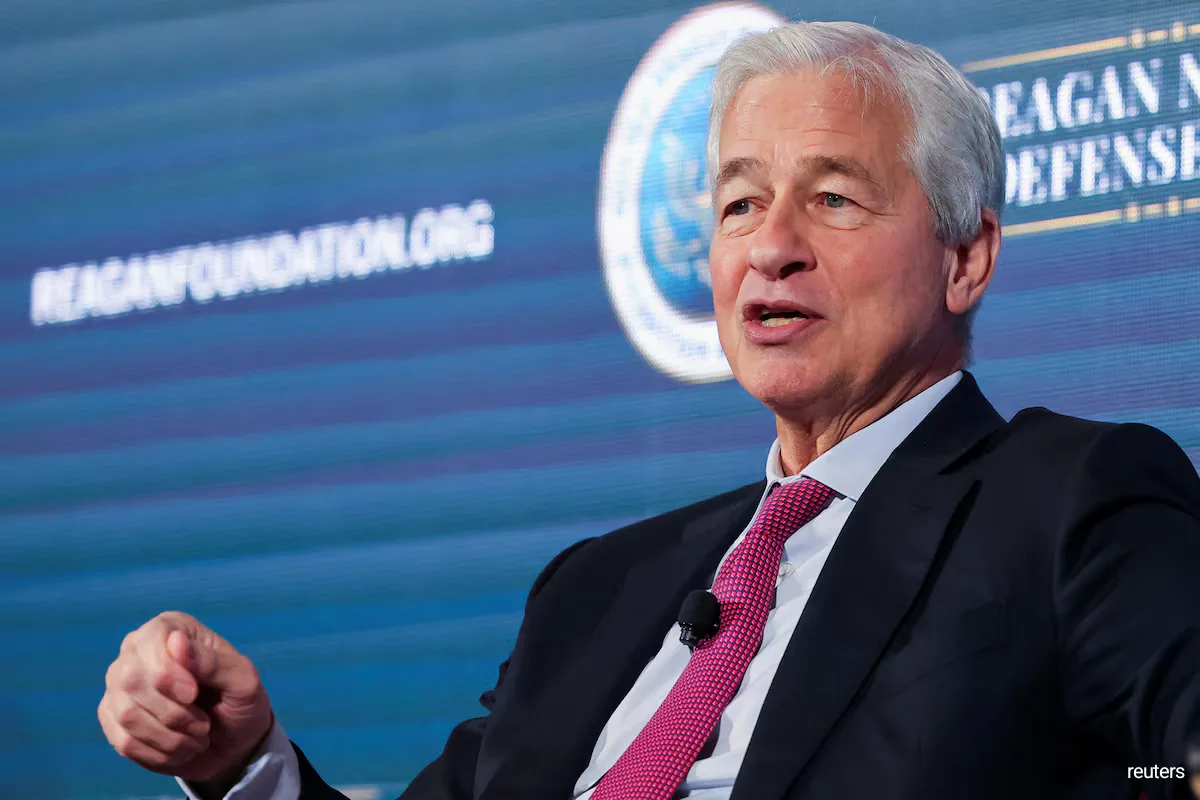
JPMorgan CEO Jamie Dimon said the bank plans to hire more AI specialists and fewer traditional bankers in certain roles as it accelerates AI adoption across its operations [1, 2, 3, 4, 5, 6, 7]. Dimon acknowledged the shift will reduce some jobs over time but create new ones, especially client-facing roles, stating, "I think it will reduce our jobs down the road. There will be all different types of jobs, and I think we will be hiring more AI people and fewer bankers in certain categories, and it will make them more productive" [1].
The bank manages workforce changes through natural turnover, with an annual attrition rate of about 10%, equal to roughly 25,000 to 30,000 employees leaving each year. Dimon said JPMorgan has the flexibility to retrain, redeploy, or offer early retirement packages instead of large layoffs, noting, "With an annual attrition rate of roughly 10 percent, or about 25,000 to 30,000 departures a year, JPMorgan has the flexibility to retrain staff, redeploy workers, or offer early retirement packages" [4]. He added the bank has already displaced some workers due to AI and offered them other jobs: "We can take people who are displaced — and we have displaced people from AI — and we offered them other jobs" [5].
JPMorgan has integrated AI tools in risk management, fraud detection, marketing, and investment banking. The bank is among a few licensed to use Anthropic's cybersecurity AI model Mythos as part of Project Glasswing, illustrating its cutting-edge AI adoption [5, 6, 7]. JPMorgan has a $20 billion technology budget and monitors AI use closely within the company [5].
Industry-wide, finance and insurance sectors could automate about 30% of work hours by 2030, according to McKinsey estimates cited by Dimon [1, 4]. Other banks are also adjusting their workforce: Standard Chartered announced plans to cut 7,000 to 8,000 support roles over four years, replacing lower-value work with technology. Its CEO Bill Winters said, "We are replacing in some cases lower-value human capital with the financial capital and the investment we're putting in" [1, 2, 4, 5]. Goldman Sachs leadership described traditional back-office roles as a "human assembly line" ripe for automation, while HSBC's CEO Georges Elhedery warned that AI will destroy some roles while creating others and urged employees to adapt [1, 4].
Dimon also cautioned that interest rate risks remain a concern for JPMorgan’s credit exposure and refinancing cycles, indicating ongoing financial risks alongside AI transformation efforts [7].
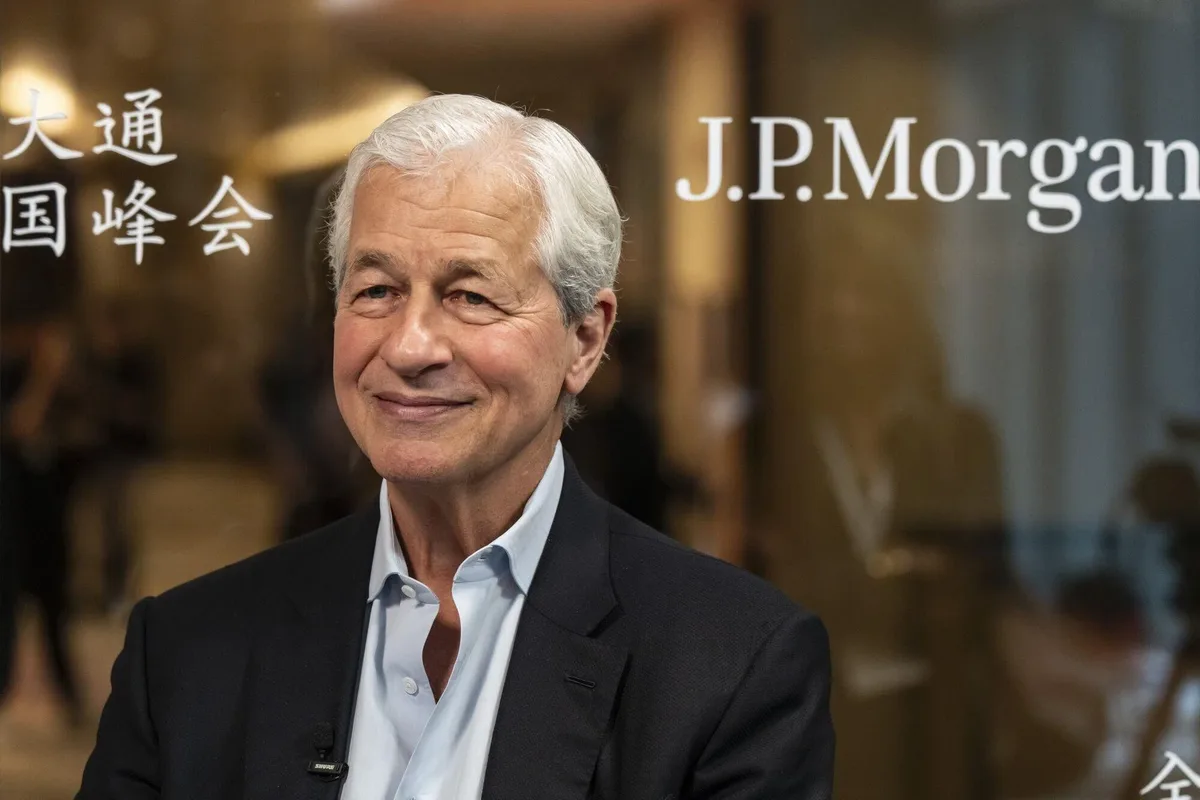
Dimon discussed these plans on May 20 at the JPMorgan China Summit in Shanghai, underscoring the bank’s focus on workforce transition amid rapid AI adoption [1, 2, 4, 5].