The Strait of Hormuz, closed to commercial shipping since late February due to US and Israeli strikes and an Iranian blockade, is set to reopen under a framework deal between the US and Iran [1, 2, 3]. The two sides will sign a memorandum of understanding today in Switzerland to end hostilities, lift the US blockade of Iranian ports, and allow toll-free passage through the strait for at least 60 days [4, 5].
The strait normally carries about 20% of the world’s oil and LNG supply, making its reopening vital for global energy markets [1, 2, 4]. Following the deal announcement June 15, European natural gas prices fell by up to 5.8% and Brent crude dropped more than 3% [1, 6, 2].
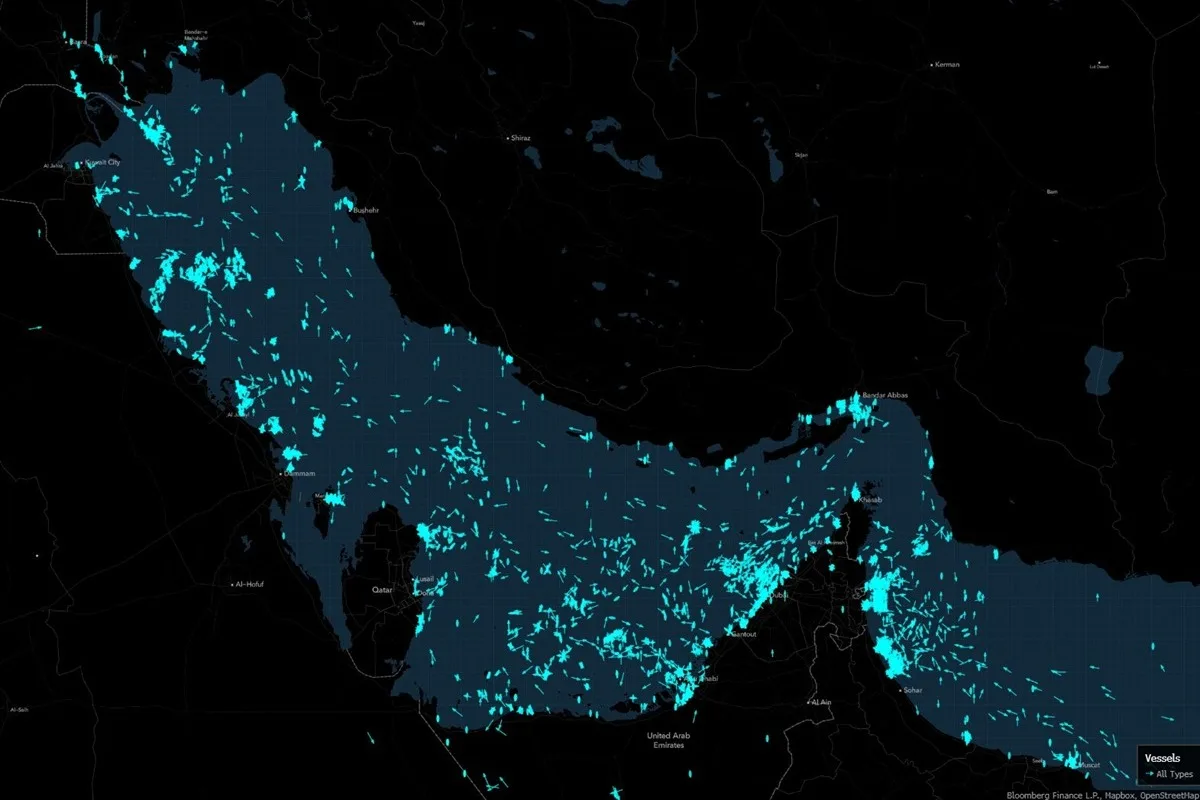
However, experts and shipowners warn that normal shipping conditions may take weeks or longer to resume. At least 600 vessels remain trapped in the Persian Gulf, with hundreds more waiting outside the strait ready to transit once safe passage is confirmed [7, 3]. “It may take at least a couple of weeks or if not a month” before operations safely resume, Mitsui OSK Lines CEO Jotaro Tamura said, citing the need for safety verification [8].
Naval mines laid during the conflict must be located and cleared, a process estimated to take 40 to 50 days [9, 10]. War-risk insurance premiums remain very high, adding millions of dollars per transit and deterring immediate resumption of shipping [9, 10]. Jakob Larsen, chief safety and security officer at BIMCO, said shipowners must be assured that passing through the strait is “not only permitted but also safe” [2]. Brett Erickson of Obsidian Risk Advisors noted that crews understand the risks: “a single miscalculation or political decision can inject new friction and place their lives at risk” [7].
A key test of the opening came as the LNG tanker Disha, trapped since early March, moved toward the strait June 15 to assess the situation [1, 6, 7, 2, 3]. Practical challenges such as narrow channel competition, hull maintenance, and ships with transponders off complicate navigation and surveillance efforts [6, 7, 3].
US President Donald Trump said the strait would reopen by June 19, but many European allies, US officials, and shipping experts remain skeptical of such a rapid timeline [4, 5, 8, 9]. Some uncertainty remains about details, including the timing of the US lifting the blockade and releasing frozen Iranian assets [11, 3].
The memorandum reportedly grants a 60-day toll-free passage provision to restart transit, although full normalcy is expected to take longer [4, 5].
The signing in Switzerland today marks a formal step toward ending the blockade, but the clearance of naval mines and insurance issues mean commercial shipping will resume gradually over the coming weeks.