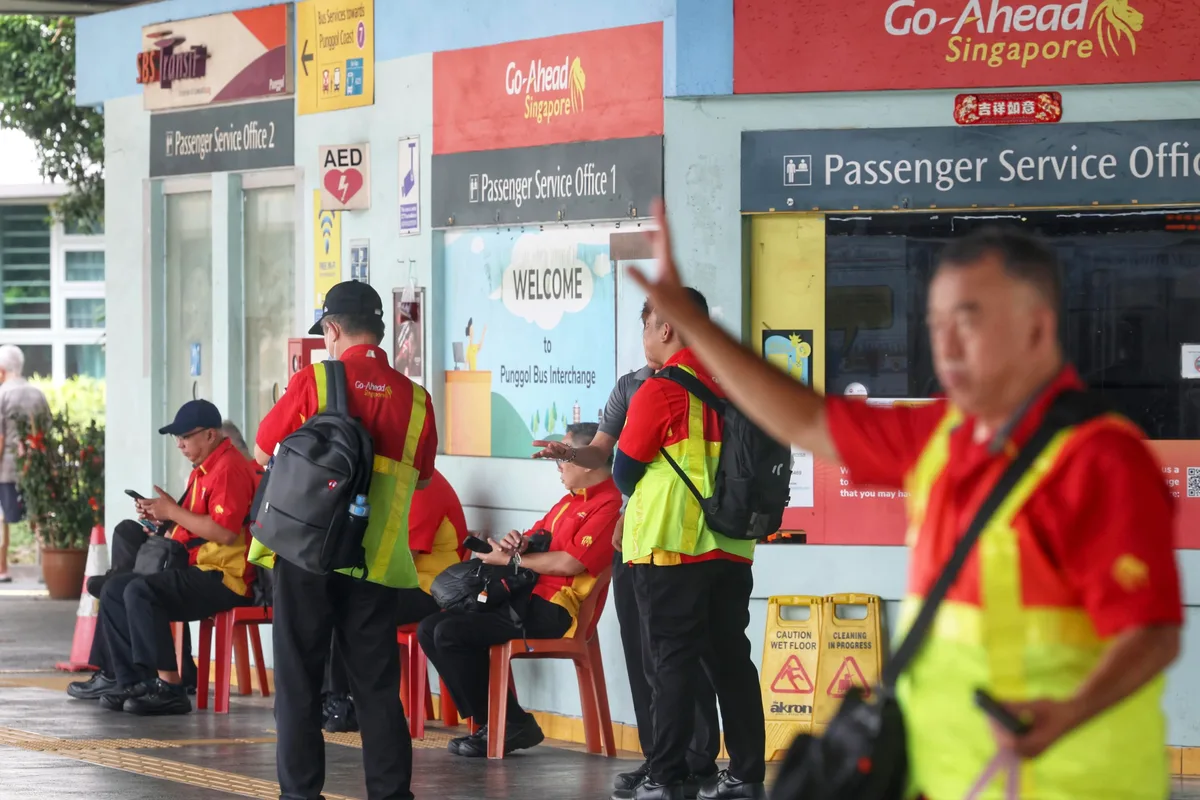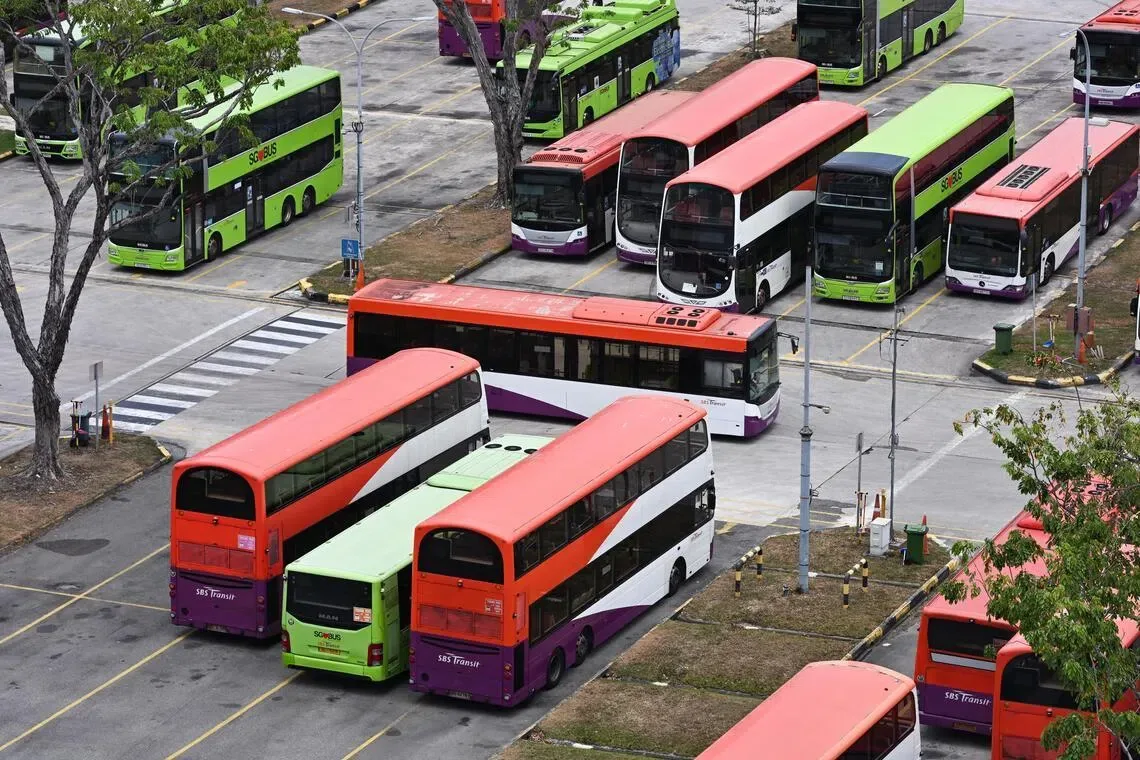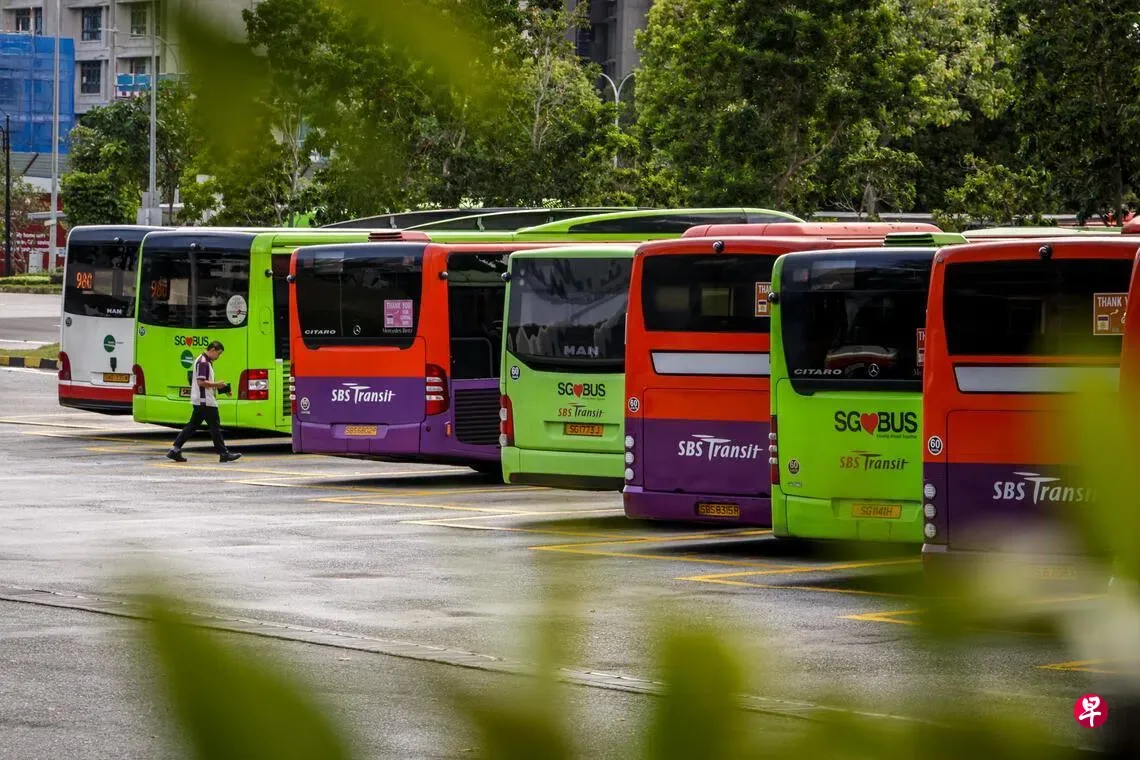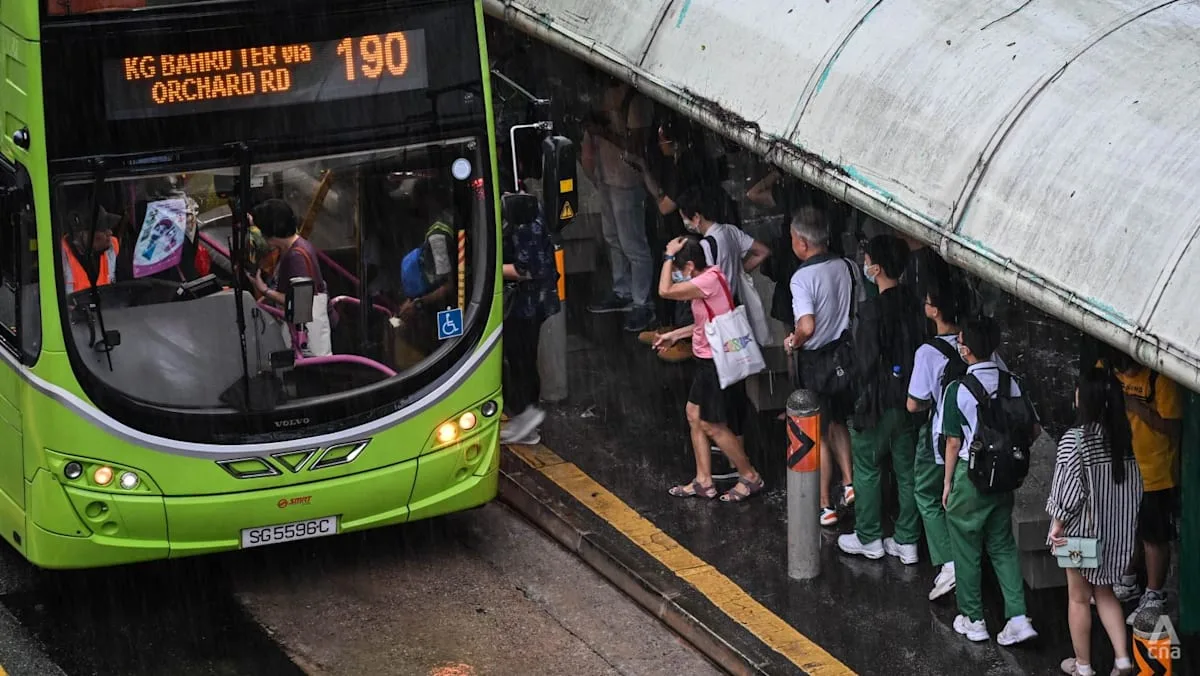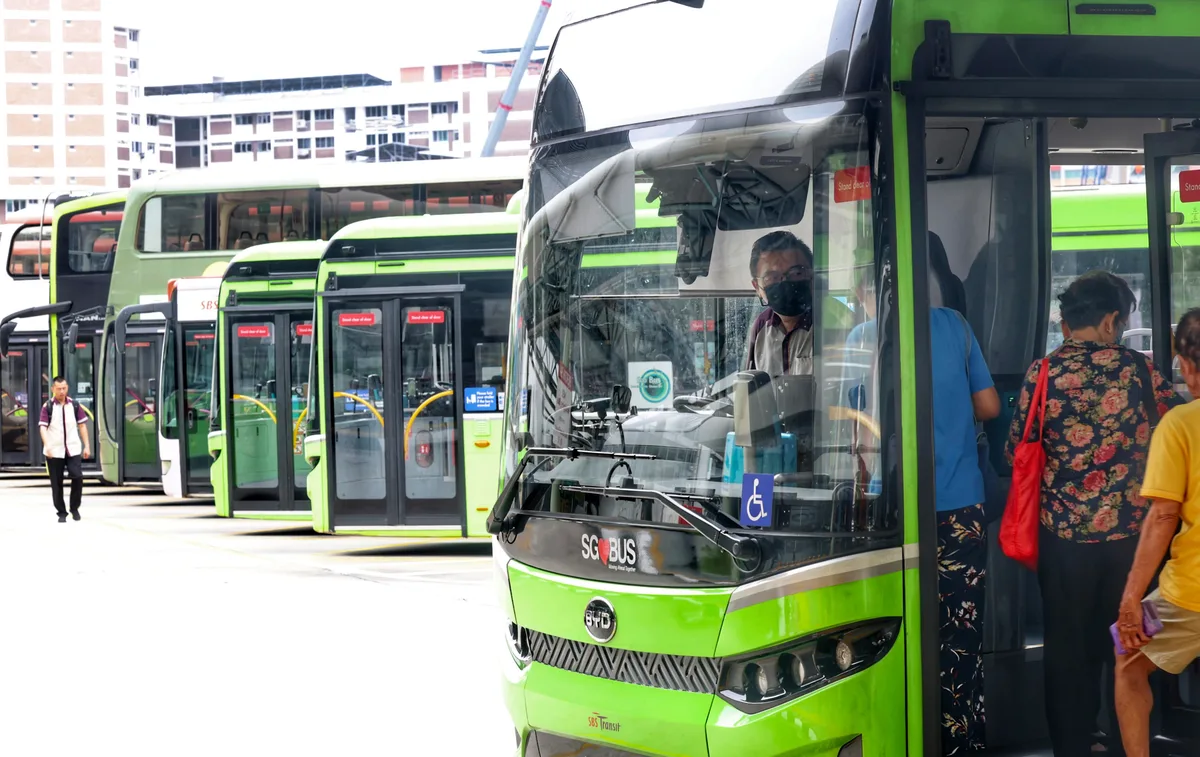
The Singapore government announced it will increase starting pay for new Singaporean and permanent resident bus captains by S$450 per month beginning January 1, 2027. New local bus captains will also receive a S$2,000 sign-on bonus in their first year, both funded by the government [1, 2, 3, 4, 5, 6, 7].
These increases will push new bus captains' average monthly earnings to more than S$4,000, including overtime, bonuses, and allowances. Acting Transport Minister Jeffrey Siow said, "As we work to expand and improve bus services, we must also support the people who keep them running" [2].
Existing bus captains will receive a one-time salary adjustment designed to address pay disparities, improve retention, and recognize their work. This raise, estimated between S$150 and S$250 monthly from January 2027 depending on overtime and performance, will be funded by the four public bus operators: Go-Ahead Singapore, SBS Transit, SMRT Buses, and Tower Transit Singapore [1, 2, 3, 4, 8, 5, 6, 7].
Singapore’s bus captain workforce is aging and shrinking locally. The median age is 56 years, and the share of local bus captains dropped from 54% in 2021 to 41% in 2025. For every new local bus captain hired, two leave through retirement or resignation, squeezing manpower [1, 2, 4, 7]. There are about 9,900 bus captains nationwide, with nearly 40% employed by Go-Ahead and 1,600 by Tower Transit [4, 8].
Bus captains face tough working conditions, including long driving hours, shift work, and split shifts with unpaid breaks. To improve job appeal, operators plan to reduce split-shift assignments and shorten continuous driving times [1, 4, 7].
The pay adjustments were based on benchmarking against national wage data and similar roles. The government will fund the new starting pay and sign-on bonuses until bus packages are retendered or renewed [5, 6].
NTWU Executive Secretary Yang Wanling said the pay increases "affirm bus captains' contributions" and help attract more locals with skills development and promotion paths [4]. However, Associate Professor Walter Theseira noted the $4,000 average includes overtime and allowances rather than base pay, indicating room for further improvement [8].
The government’s ongoing S$900 million Bus Connectivity Enhancement Programme, launched in July 2024, has added or extended 33 bus routes and improved over 60 others [1, 2, 3, 4, 5, 6]. Acting Minister Siow said a larger local driver pool "will allow the operators to improve working conditions and make bus driving a more sustainable career" [4].
Further efforts will focus on non-wage factors affecting recruitment, such as career prospects, benefits, and work environment. Bus fare adjustments remain governed by a separate formula and will not be affected by these pay changes [8, 7].