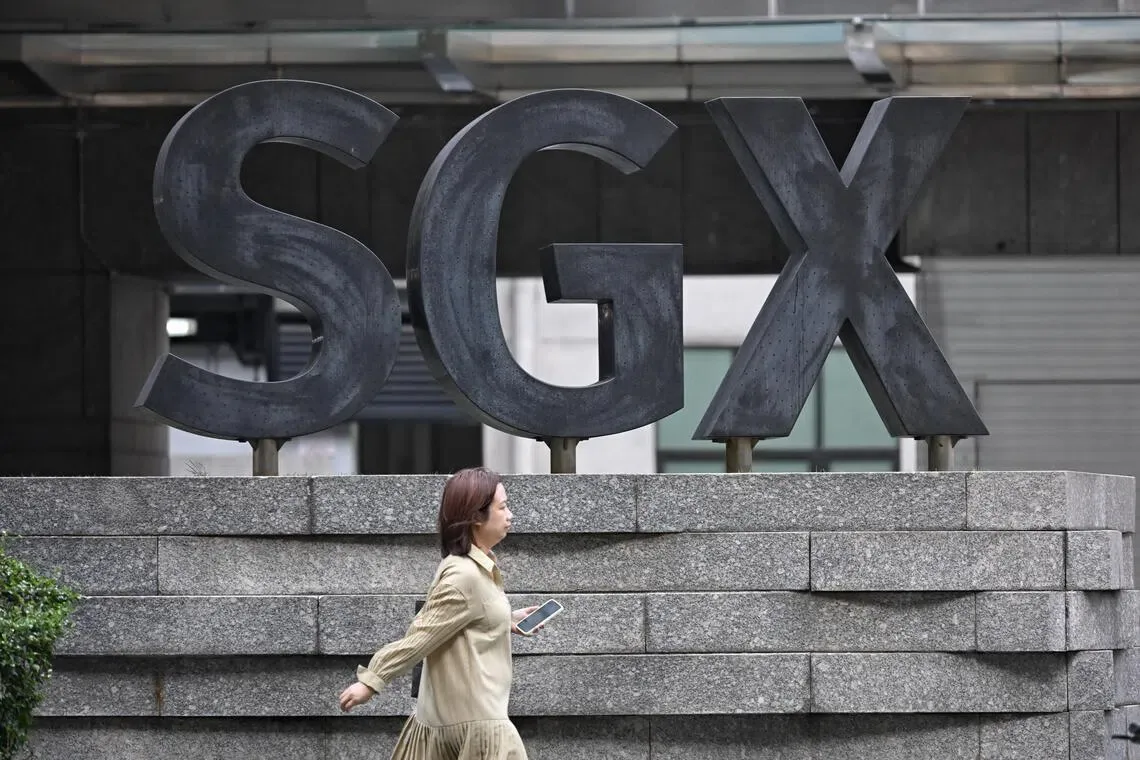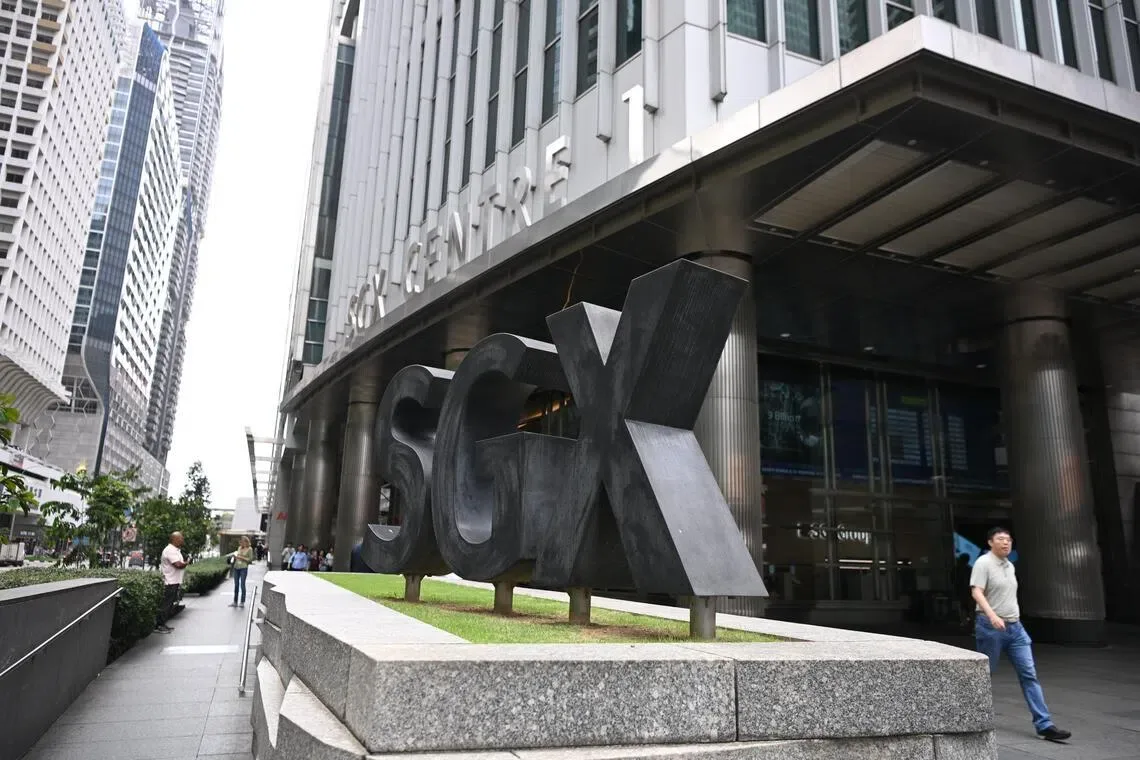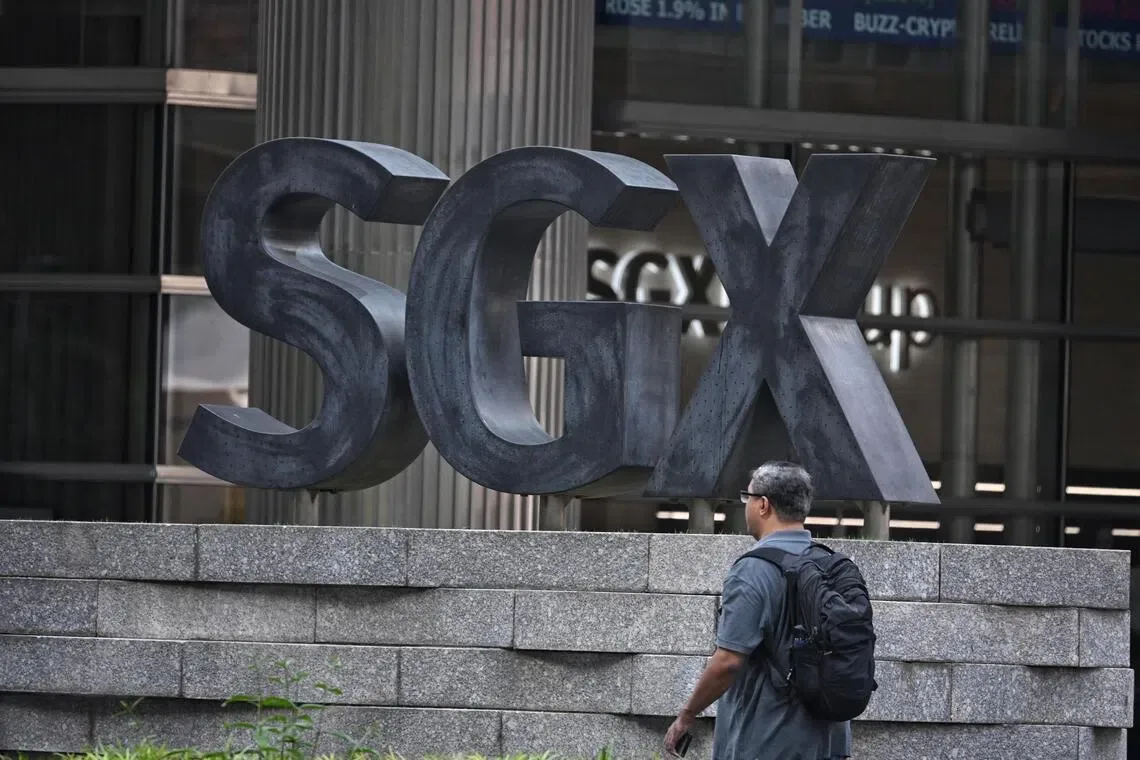
Singapore's stock market capitalization has climbed to around US$645 billion, surpassing Indonesia’s, which fell more than 30% since peaking in January to about US$618 billion [1, 2, 3, 4, 5]. Investor sentiment toward Indonesia soured due to concerns over possible reclassification of its equities to frontier markets and negative credit rating outlooks from Fitch and Moody’s [2, 4, 5]. These factors contributed to global investors withdrawing over US$4 billion from emerging Southeast Asian equities this year, with Indonesia accounting for more than half of the outflows [2, 4].
Singapore’s market benefited from its economic and political stability, government-led market reforms, and a strong Singapore dollar that supports fund inflows, according to analysts [1, 2, 3, 4, 5]. “Wealth is a key driver for earnings growth and together with the strong Singapore dollar, we expect more funds to flow into the market,” said Carmen Lee, head of equity research at OCBC [3]. Portfolio manager Soh Chih Kai of Lion Global Investors added, “This reinforces the relative standing of the Singapore market as capital flows continue to reward certainty amidst global policy uncertainty.” [2]
The Straits Times Index (STI) has climbed to record highs as geopolitical tensions such as the Iran war have driven investors to seek defensive havens in Singapore stocks [2, 4, 6]. The STI closed at 4,996.75 on May 18, led by gains in ST Engineering as regulators paused the proposed M1 sale to Simba Telecom amid concerns over unassigned radio frequency use [7, 8]. On May 19, the STI rose 1.5% to 5,072.34, boosted by City Developments after a director rejoined its board, though Wilmar was the worst performing blue chip that day [9, 10]. It then dipped 0.5% on May 20 to 5,044.91 with most local banks and regional indexes retreating [11, 12]. Today (May 22), the STI closed 0.4% higher at 5,068.15 as investors remained cautious amid ongoing US-Iran peace talks; Keppel led gains after the M1 sale collapsed [6].
The M1-Simba sale failed after regulators halted the review due to concerns on radio frequency assignments, leading Keppel to allow the sale and purchase agreement to lapse on May 21 [7, 6, 8]. Meanwhile, MSCI plans to remove several Indonesian stocks from its indexes, which could trigger outflows of up to US$2 billion in late May [2, 4].
Bank J. Safra Sarasin chief economist Dr Karsten Junius noted that Singapore’s sector is supported by attractive valuations and positive earnings revisions for the first time since mid-2025, aiding market resilience [6]. The STI’s recent volatility reflects a cautious investor mood amid regional and global uncertainties. The next key event is the expected MSCI index adjustment for Indonesian stocks later this month, which may trigger further market movements [2, 4].