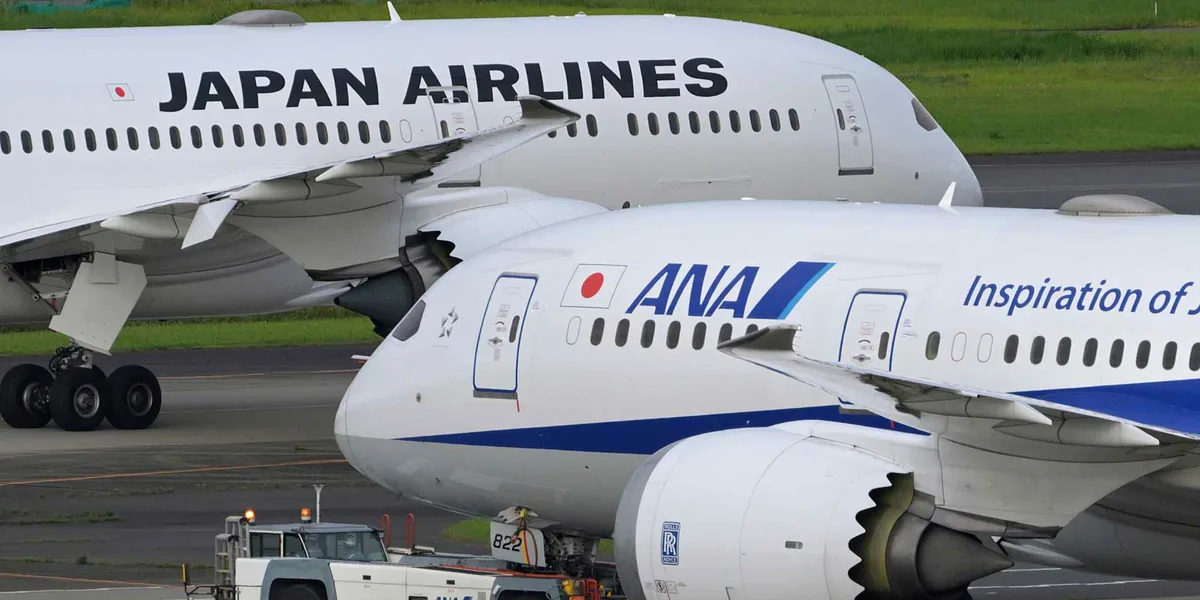
Global airline profits are projected to nearly halve in 2026 to around US$23 billion, down from US$45 billion in 2025, mainly due to a roughly 70% increase in jet fuel prices triggered by the Middle East conflict [1, 2, 3, 4, 5, 6, 7]. Airlines face longer flight routes and higher costs as key Middle East air corridors remain disrupted, pushing fuel burn and operational expenses up worldwide [2, 8, 4, 7].
Despite these pressures, passenger demand remains strong, with global passenger volume expected to grow about 2.4% to 5.1 billion travelers in 2026 [2, 5, 7]. Airlines have raised ticket prices, helping ticket revenues rebound to between US$839 billion and US$1.16 trillion, driven by an expected load factor of 84% in 2026 [2, 9, 8, 4, 7]. However, the average net profit per passenger is forecast to fall sharply from about US$9.10 in 2025 to US$4.50 in 2026, signaling much tighter margins [3, 5, 7].
Jet fuel costs continue to weigh heavily on profits. Fuel expenses are projected to rise nearly 40% year-on-year to about US$350 billion, comprising roughly 31% of airlines' operating costs, up from 25.4% in 2025 [3, 7]. Supply chain disruptions and the blockage of the Strait of Hormuz have pushed prices higher, with no immediate fuel shortages but persistent elevated prices expected throughout 2026 [10]. The global production of sustainable aviation fuel (SAF) remains stagnant at roughly 2.4 million tonnes, just under 1% of total jet fuel demand, with SAF prices rising from about US$2,000 per tonne in February to US$3,000 in May 2026 [1].
Middle East airlines are expected to lose money due to airspace closures and operational challenges, while carriers in other regions remain profitable but see reduced earnings [3, 7]. Asia-Pacific airlines face a net profit decline from about US$9.8 billion in 2025 to US$6.6 billion in 2026, largely due to fuel price impacts and their reliance on Middle East crude oil imports [2, 9, 8]. Some Asian carriers have cut schedules or rerouted flights due to Middle East conflict-related airspace restrictions, but Asia-Pacific airlines have gained market share on Europe-Asia routes, cutting into Middle East carriers’ dominance [2, 8, 10].
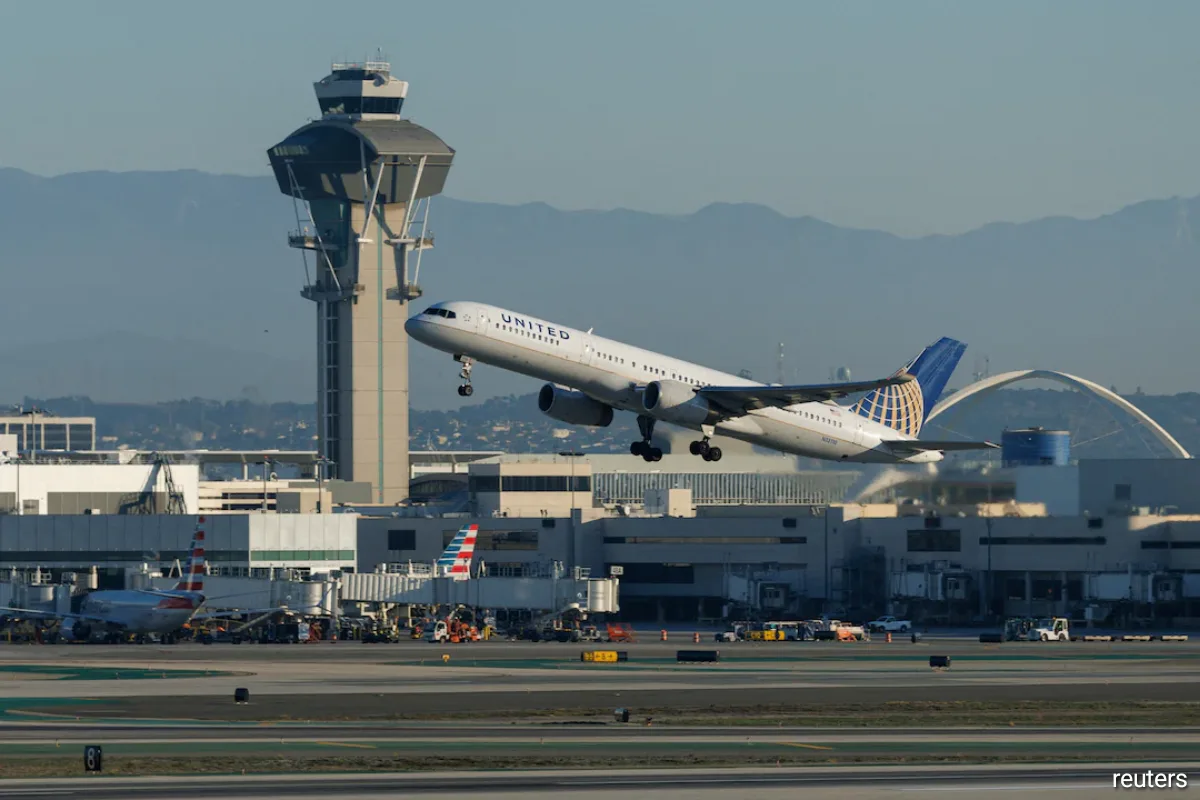
U.S. carriers show a growing divide: network airlines investing in premium offerings fare better financially, while low-cost carriers struggle with tight margins amid rising fuel costs [11]. United Airlines CEO Scott Kirby noted, "Air travel is not a commodity. Customers care about the technology, the service, the reliability, the product. They want a great experience. They don't just want a seat." [11]
Aircraft shortages and supply chain delays persist, with a backlog of about 18,100 planes as of May 2026 forcing airlines to operate older fleets that have higher leasing and maintenance costs [3]. Willie Walsh, IATA Director-General, said, "It’s a tough year for all airlines, but especially for those whose balance sheets have not yet recovered from Covid-19." He pointed to "two major factors: the significant increase in jet fuel prices, which has gone way higher than I think anybody would have expected, and then the disruption to the airlines in the Gulf region." [2, 4]
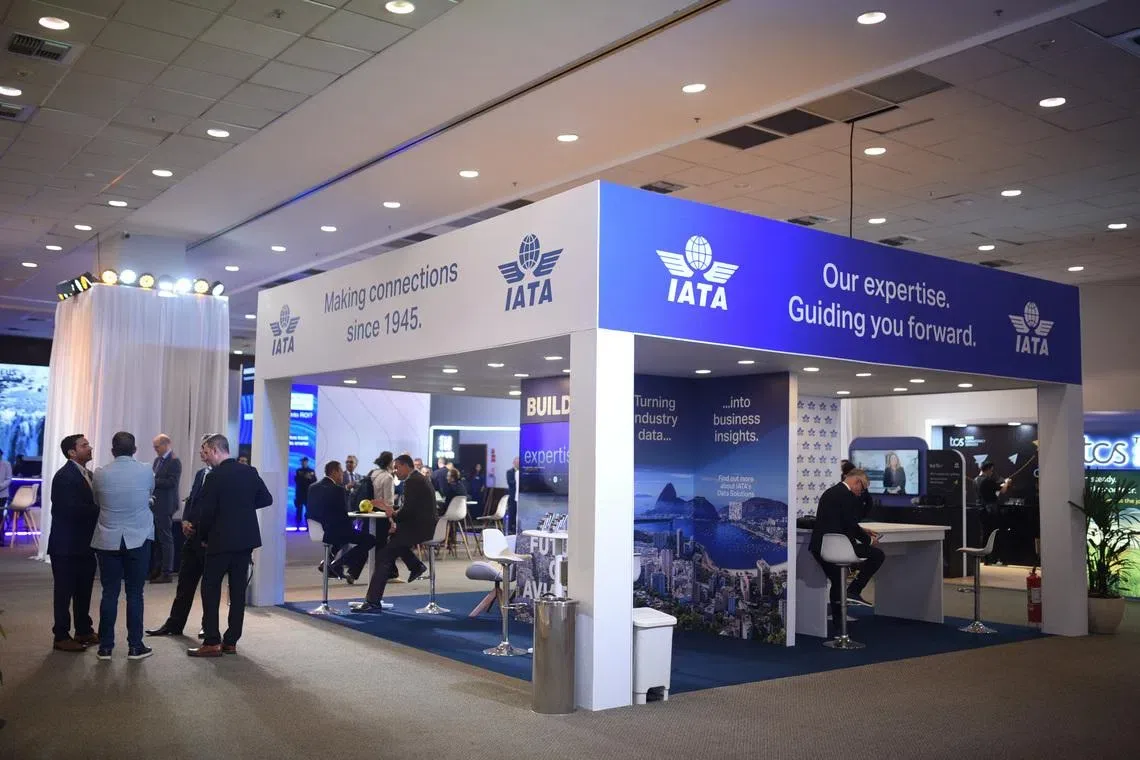
The International Air Transport Association (IATA) held its annual general meeting on June 7, 2026, in Rio de Janeiro, where the revised profit outlook and operational challenges linked to the Middle East conflict were presented [2, 9, 8, 3, 4, 7]. IATA also highlighted concerns over the slow growth of sustainable aviation fuel supply during a sustainability briefing on June 6 [1]. The next IATA annual meeting and world aviation summit are scheduled for June 2027 in Xiamen, China [3].