AI is altering job roles by automating parts of tasks instead of replacing whole positions, prompting shifts in job duties and skill requirements globally [1, 2]. A Microsoft survey of roughly 20,000 employees across 10 countries found widespread anxiety about AI’s impact on jobs and the relevance of workers’ skills [1].
Research from McKinsey estimates AI and robotics could automate about 57% of work activities, though full replacements of jobs remain rare [1]. However, AI has contributed to over 49,000 job cuts in the United States this year, with companies citing AI-enhanced productivity gains as a reason for layoffs [1]. Kingsley Gate Chief Strategy Officer Umesh Ramakrishnan said, “自动化往往从基础工作开始,然后不断向上扩展。我不知道它最终会在哪里停止。”
In technology sectors, 84% to 90% of workers already use or plan to use AI-assisted tools, shifting software engineers to focus more on design and decision-making rather than routine coding [1]. New job roles increasingly emphasize analytical thinking, judgment, and critical problem-solving skills [1, 2]. A Business Insider survey noted that AI is making entry-level jobs more complex while reducing routine tasks, especially in tech and some service sectors, with 42% of employers reporting increases in analytical tasks and 41% reporting reductions in routine work [2]. Mark Cuban observed, “What people thought of as an entry-level position before — show up and do the tedious work — is gone. Now when companies hire they expect you to hit the ground running. No matter your background.”
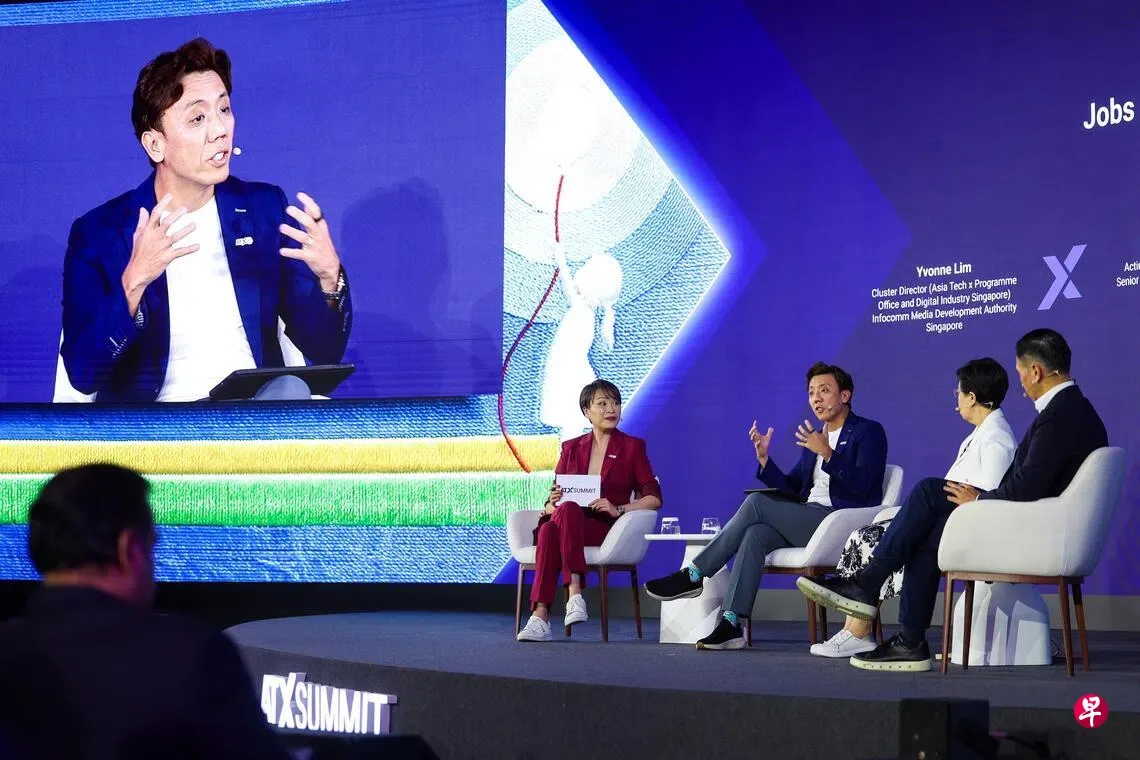
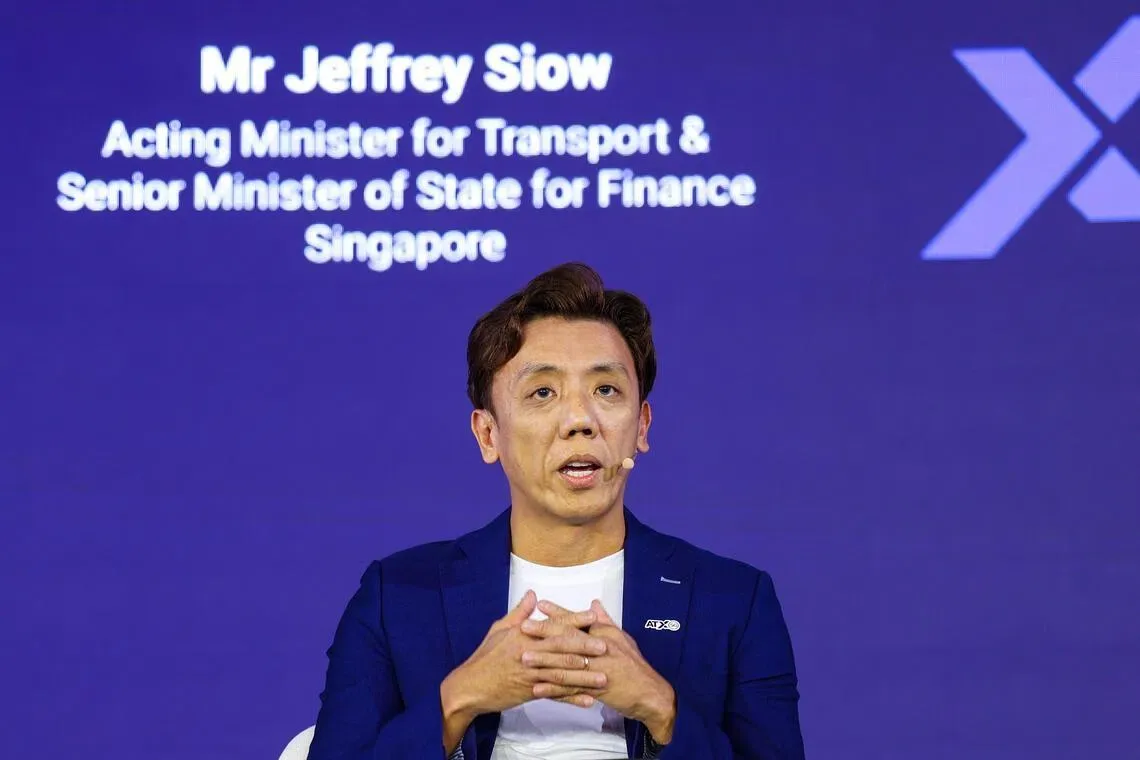
The Singapore government prioritizes supporting people through AI-driven economic transformation rather than saving specific jobs [3]. Senior Minister of State for Finance and Transport, 萧振祥, said, “我们完全预料到,经济转型会带来更多人员流动。关键不在于把失业人数降到最低,而是帮助人们重新站起来,协助他们胜任创造出来的新岗位,并创造足够多的机会,让人们能选择自己想从事的工作。”
Singapore’s AI strategy targets advanced manufacturing, connectivity, finance, and healthcare, sectors that contribute over 40% of its GDP [3]. To address labor aging and shifting workforce needs, Singapore is deploying AI-driven automation including autonomous vehicles [3]. Lifelong learning and continuous skills upgrading are recognized as vital for longer career spans shaped by AI [3].
Despite concerns about job losses, many CEOs expect AI to boost entry-level hiring but with greater demands on worker skills and readiness [2]. The next key development includes ongoing government efforts to provide retraining and transition support, highlighted in Senior Minister Zaqy Mohamad’s May 21 speech on Singapore’s policies for AI-era job transitions [3].