The 2026 FIFA World Cup, jointly hosted by the United States, Canada, and Mexico and expanded to 48 teams, is expected to generate between 5 million and 9 million tonnes of carbon dioxide emissions, making it the most carbon-intensive sporting event in history [1, 2, 3, 4, 5, 6, 7].
The tournament will use 16 existing stadiums spread across a vast North American continent. The long distances between venues — for example, Miami to Vancouver is over 4,500 kilometers — will drive the record emissions due to extensive air travel by teams, officials, media, and more than 5 million expected fans [1, 2, 3, 4, 5, 6, 7].
This footprint far exceeds that of recent major sports events: the 2024 Paris Olympics produced about 1.75 million tonnes, the 2022 Qatar World Cup around 3.17 million tonnes, and the 2018 Russia World Cup approximately 2.17 million tonnes of CO2 emissions [1, 2, 3, 4, 5, 6, 7]. University of Lausanne geographer David Gogishvili noted, "Unlike the case of the Olympic Games, where the carbon footprints have been reducing over the last several editions, this is totally opposite in the case of FIFA men’s World Cup." [6]
Experts blame FIFA's continuous expansion of tournament size and matches for rising emissions. Gogishvili said FIFA’s "endless pursuit of growth has led to more matches, inevitably meaning more players, more fans, more hotel construction, more flights — a never-ending cycle." The increase from 32 to 48 teams and the Club World Cup’s expansion contribute to this growth [2, 3].
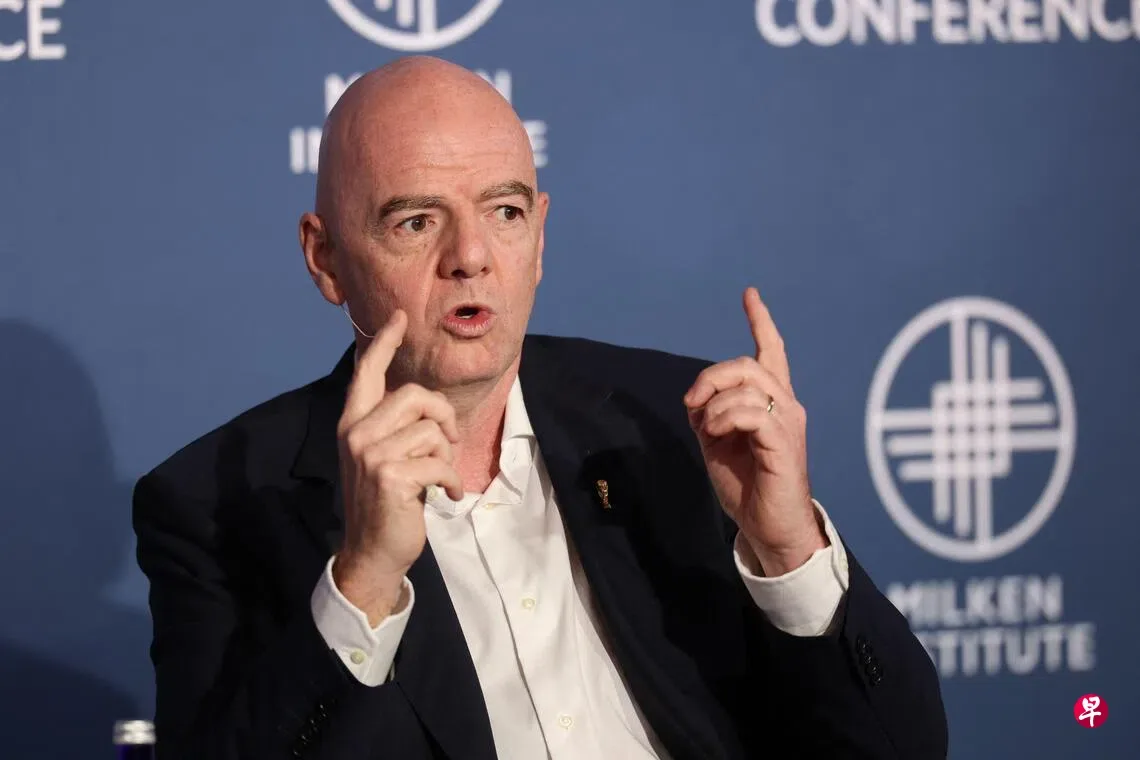
FIFA president Gianni Infantino pledged at COP26 to "measure, reduce and offset emissions related to the World Cups and are determined to combat climate change," but FIFA has stopped promising carbon neutrality after criticism over the 2022 event’s claims [2, 6]. In 2023, the Swiss Fairness Commission reprimanded FIFA for misleading promotion of 2022 World Cup carbon neutrality [2, 6].
The 2026 World Cup's schedule runs from June to July and remains on track despite these concerns [1, 2, 3, 4, 5, 6, 7]. Saudi Aramco, the world's largest oil company, became a major FIFA sponsor in June 2024, raising questions about carbon sponsorship amid the rising emissions [3, 4, 5, 7].
Looking ahead, the 2030 World Cup will be hosted across six countries on three continents, and the 2034 tournament in Saudi Arabia will feature 40 more matches than 2026, likely increasing the sport's carbon footprint even further [2, 3, 4, 5, 7].