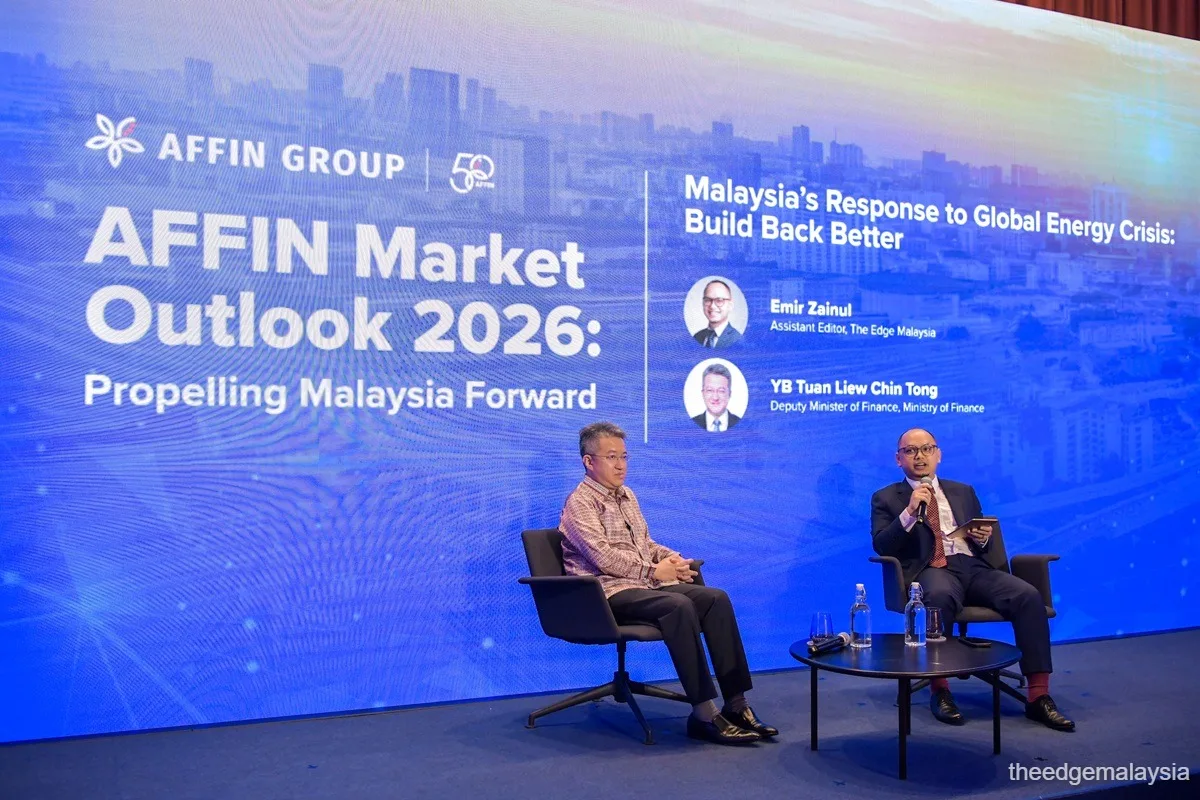
Malaysia’s government is evaluating a cut to the monthly BUDI95 subsidised RON95 fuel quota from the current 200 litres to 150 litres amid concerns over fuel supply and rising subsidy costs [1, 2, 3, 4]. Deputy Finance Minister Liew Chin Tong said the adjustment aims to ease fiscal pressure, noting "80% of Malaysians use less than 200 litres" and "60% of the population uses less than 150 litres" of RON95 fuel monthly [1]. He stressed the programme should be viewed as a demand management tool, not merely a subsidy [3].
The BUDI95 scheme launched in September 2025 with a 300-litre quota, later trimmed to 200 litres in March 2026 [2, 5]. The subsidy sells RON95 at RM1.99 per litre to eligible motorists [1]. The government wants to safeguard vulnerable groups such as motorcyclists, who consume around 50 litres per month, and low-income households [1]. Liew emphasized, "Politically, I want to ensure motorcyclists continue to enjoy highly subsidised rates" [1].
Data shows most Malaysians use less fuel than the current quota allows, supporting the possibility of a reduction [1, 2, 3, 4, 5, 6]. However, opposition leaders and advocacy groups warn that cutting the quota to 150 litres would hit urban working families, SMEs, and frequent commuters hard, potentially raising living costs [5, 6, 7, 8, 9]. Critics argue that lower consumption partly reflects economic hardship and that using usage data alone to justify cuts is misleading [8, 9].
The government has yet to announce a timeline for any quota change. Officials are also studying other options such as excluding high-income T20 earners and foreigners from the subsidy to improve targeting [1, 3, 10]. However, some economists caution that excluding the T20 group risks being seen as punitive and that income level alone is a blunt instrument for subsidy allocation [7, 10].
Additionally, a targeted diesel subsidy is being planned for Sabah and Sarawak, similar to BUDI95’s petrol subsidies [1, 3]. From June 1, 2026, Malaysian citizens with valid foreign driving licenses may convert them without cancelling work or residence permits, making them eligible for BUDI95 subsidies [2].
The government last confirmed sufficient fuel supply until early July 2026 but has not provided further updates since [1, 3]. Deputy Finance Minister Liew expressed regret that his comments about quota reduction were misinterpreted and urged all parties to understand the context fully [4]. The final decision on quota adjustment and subsidy targeting is still under study.