Malaysia’s government introduced several key bills in Parliament between June 22 and 24 aiming to update laws on digital crime, prison management and child protection [1, 2, 3, 4, 5].
On June 22, the Cybercrime Bill 2026 was tabled in the Dewan Rakyat to replace the Computer Crimes Act 1997. It expands offences to include identity theft, transmission of manipulated content, dissemination of intimate images and AI misuse. The bill has 61 clauses and seeks to fulfill Malaysia’s obligations under the Budapest Convention and UN cybercrime treaties. Deputy Prime Minister Datuk Seri Ahmad Zahid Hamidi said the bill is important to combat increasingly complex cybercrime in the country, which saw online fraud losses jump 86% to RM2.9 billion in 2025 [2, 6].
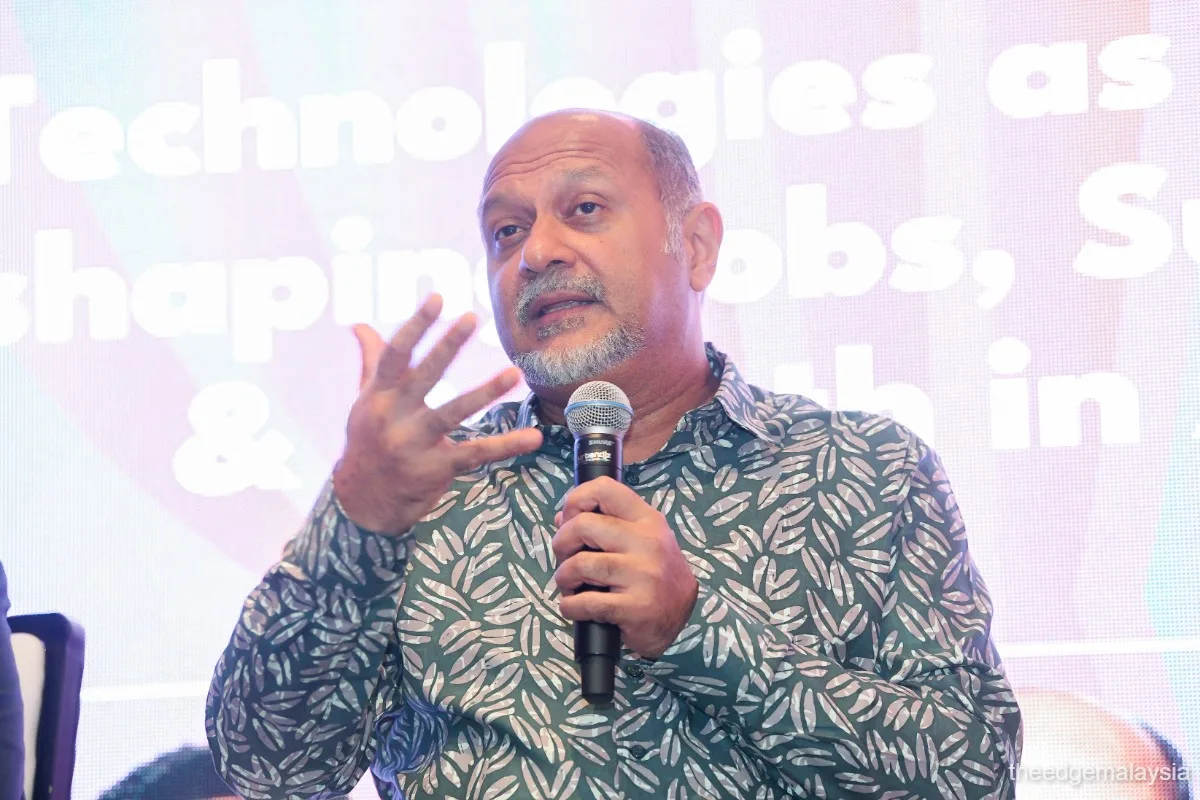
On the same day, Digital Minister Gobind Singh Deo discussed the Artificial Intelligence (AI) Governance Bill. It aims to strengthen prevention and accountability over the entire AI lifecycle, targeting misuse like deepfakes, synthetic content, identity manipulation and unlawful intimate content. He explained, “This layered strategy ensures that existing legal measures and the AI Governance Bill complement each other … to drive responsible use of AI without compromising public safety, national interests and victims’ rights” [1, 7].
The following day, June 23, the Prisons (Amendment) Bill 2026 was tabled by Deputy Home Minister Datuk Seri Dr Shamsul Anuar Nasarah. It proposes electronic monitoring devices such as ankle monitors for prisoners in custody, on parole, or released on licence to track their location inside and outside prison. Nasarah said, “The electronic monitoring device is installed on an inmate to monitor the inmate while he is inside or outside prison boundaries.” The bill includes penalties of up to three years’ jail and compensation orders for tampering with these devices. It also increases maximum fines under the Prisons Act from RM500 to RM5,000 and jail terms from six months to one year. Volunteers assisting prison rehabilitation may be appointed as public servants and receive allowances [3, 8, 9, 10].
On June 23 and 24, the Sexual Offences Against Children (Amendment) Bill 2026 was tabled to expand the extra-territorial application of Malaysia’s child sexual offence laws. It allows prosecution of offences committed abroad against children who are Malaysian citizens, permanent residents, or habitual residents, as if the crime were committed within Malaysia. Minister in the Prime Minister’s Department Datuk Seri Azalina Othman Said said the bill “would allow authorities to take action against any person who commits such offences outside Malaysia” [4, 5].
The bills continue parliamentary processes for debate and review. The Cybercrime Bill 2026 and AI Governance Bill build on an urgent need to address rising cyber threats and AI misuse. The Prisons Bill adds electronic monitoring tools and stronger penalties, while the child sexual offences amendments enhance protection under Malaysian jurisdiction for overseas crimes.