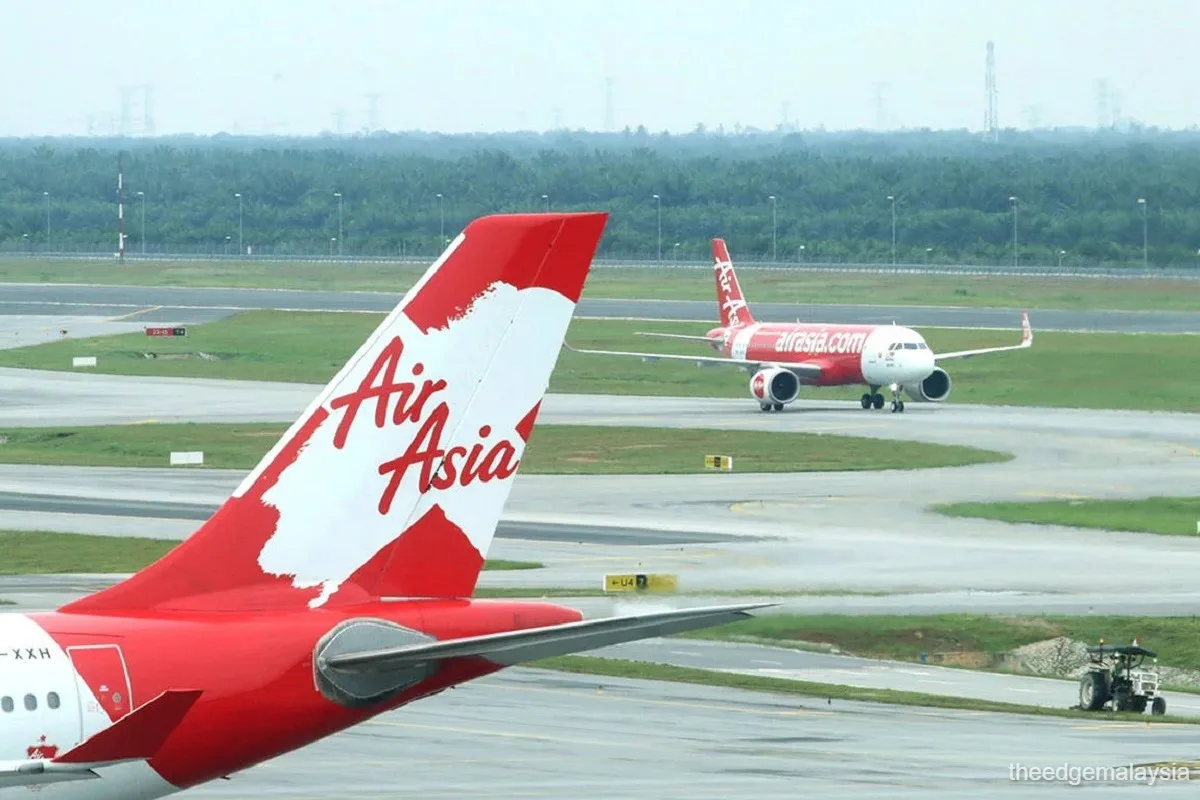
AirAsia X reported a net loss of RM154.9 million for the quarter ended March 31, 2026, reversing from a RM50.2 million profit a year earlier and a RM191.8 million loss in the previous quarter [1, 2, 3, 4]. The loss was mainly driven by a RM232.2 million foreign exchange loss caused by the depreciation of regional currencies including the Thai baht, Indonesian rupiah, and Philippine peso against the US dollar [1, 2, 3, 4].
Fuel prices surged in late March 2026, briefly exceeding US$200 per barrel and peaking at US$234, leading to about RM200 million in additional fuel costs in March alone [1, 2, 5, 6, 4]. The Iran war, which started in late February 2026, contributed to the fuel price spike and broader market uncertainty [5, 6].
Despite the financial challenges, AirAsia X carried 18.9 million passengers in the first quarter, up 9% year-on-year, with capacity expanded 10% and a stable load factor of 85% [1, 2]. However, the airline temporarily suspended 21 routes and plans to reduce capacity by 10% year-on-year in the second quarter, citing high fuel prices and geopolitical uncertainty as key factors [1, 2, 3, 4]. CEO Bo Lingam said, "Our priority remains clear: we will only deploy capacity in markets that meet our minimum hurdle rates," and emphasized caution focusing on protecting yields rather than expanding capacity [1, 4].
To offset rising costs, AirAsia X increased fares and introduced fuel surcharges [3, 4]. The company also withheld its original 2026 financial targets announced in February, which included revenue of RM25 billion, EBITDA of RM5 billion, and a net operating profit margin of 5%, due to ongoing market volatility [3, 4].
In January 2026, AirAsia X completed the acquisition of AirAsia Aviation Group and AirAsia's aviation business, expanding its group to seven airlines [1, 4]. The airline recently took delivery of its first Airbus A321LR long-haul aircraft in April and placed an order for 150 Airbus A220 planes to modernize its fleet [2].
AirAsia X secured USD 300 million in financing during the first quarter to refinance existing debts and reduce principal obligations [2]. The company plans to raise additional funds through private or public bond issuances in the second and third quarters of 2026 [2, 3, 4].
On May 15, AirAsia X shares fell about 3% to RM1.18 after nearly a 40% drop since February due to analyst downgrades and market uncertainty linked to geopolitical tensions and fuel costs [5, 6].