Taiwan’s Legislative Yuan passed a defense procurement special budget capped at 7,800 billion New Taiwan dollars (about 24.8 billion USD) on May 8, 2026, significantly below the Executive Yuan’s original 12.5 trillion NTD (approx. 40 billion USD) proposal spanning eight years [1, 2, 3, 4].
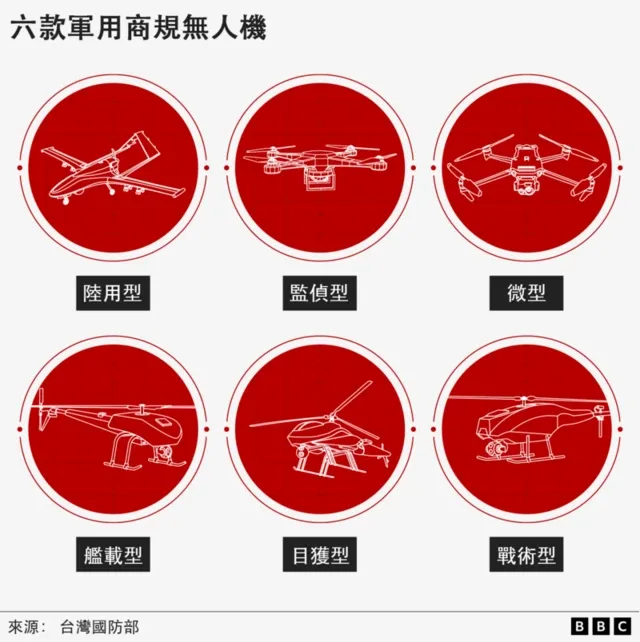
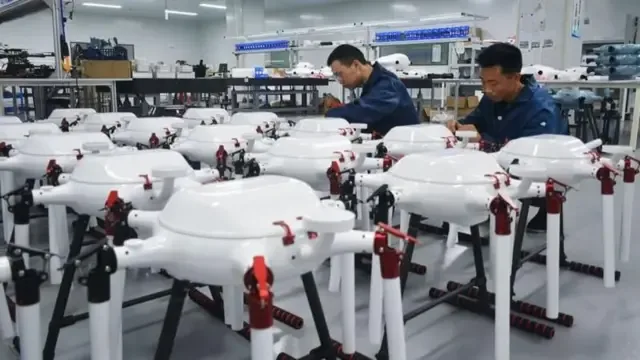
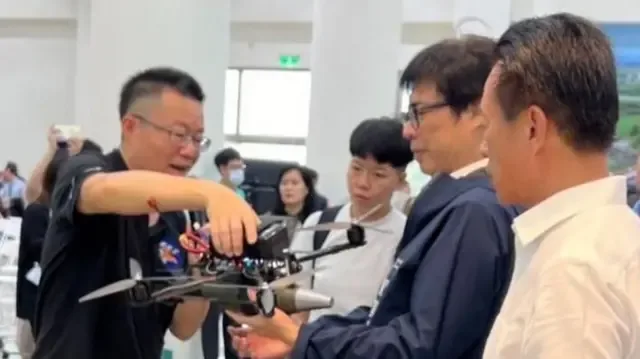
The approved budget excluded commercial purchases and domestic commissioned manufacturing projects. This notably cut funding for domestic unmanned aerial vehicle (UAV) programs and asymmetric warfare capabilities, which had aimed to procure over 200,000 UAV units, raising concerns about Taiwan’s defense industrial base sustainability [1, 2, 3, 4, 5, 6, 7, 8, 9].
The 4.7 trillion NTD (around 15 billion USD) reduction—about 40% less than originally requested—reflects political compromise between the ruling Democratic Progressive Party (DPP) and opposition Kuomintang (KMT) and Taiwan People’s Party (TPP) [1, 4, 10, 5]. Legislator Hsu Yu-chen (KMT) criticized the government for treating defense funds like a "blank check" lacking legal preparation and oversight, saying, "national defense funds must have limits and oversight" [2]. In contrast, Legislator Chen Qinglong (TPP) argued the approved budget was sufficient but called for better project reports to the legislature [2].
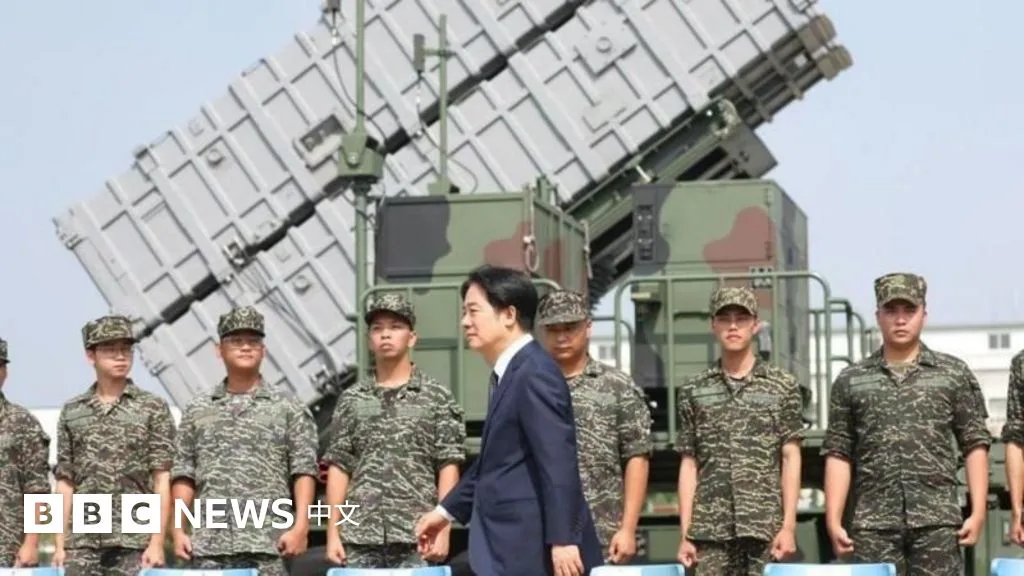
President Lai Ching-te stressed the comprehensive and indivisible nature of the seven key defense capabilities funded by the special budget [1]. However, the budget cuts led to a sharp decline in Taiwan’s UAV and military industrial stocks on May 11 as investors reacted to the reduced funding [1, 3, 5, 6]. Legislator Lin Junxian (DPP) noted the cuts caused "widespread distress in the sector" [5].
U.S. government officials privately expressed disappointment at the budget reduction, fearing it could undermine Taiwan-U.S. security cooperation and send a cautious signal to China ahead of the May 14 meeting between U.S. President Trump and Chinese President Xi Jinping [1, 3, 5]. Analyst Claus Soong of MERICS said the budget shows that "despite domestic politics and some reconciliation with Beijing, the US remains Taiwan's most important ally" [1]. Bonnie Glaser of the German Marshall Fund added, "Beijing is unlikely happy about US arms sales to Taiwan, but might welcome delay in new sales ahead of the Trump-Xi summit" [1].
Vice President Hsiao Bi-khim noted international military trends move toward including commercial tech in defense systems and called cutting unmanned systems funding "concerning" [1]. Taipei’s Executive Yuan signaled it will seek legal avenues to supplement the defense budget and support domestic defense development [2, 3, 5]. Premier Che Yun-tai said, "The three pieces of the military procurement puzzle can't be missing. Passing only a part of the defense budget is not enough, government will seek ways to quickly fulfill the requirements" [7].
The budget cuts have intensified political tensions within and between Taiwan’s major parties and are expected to influence upcoming local elections in key defense industry regions including Taoyuan, Taichung, and Kaohsiung [4, 11, 12]. Taiwan’s legislature may consider a second special procurement budget or other proposals to restore some funding [2, 3, 7].