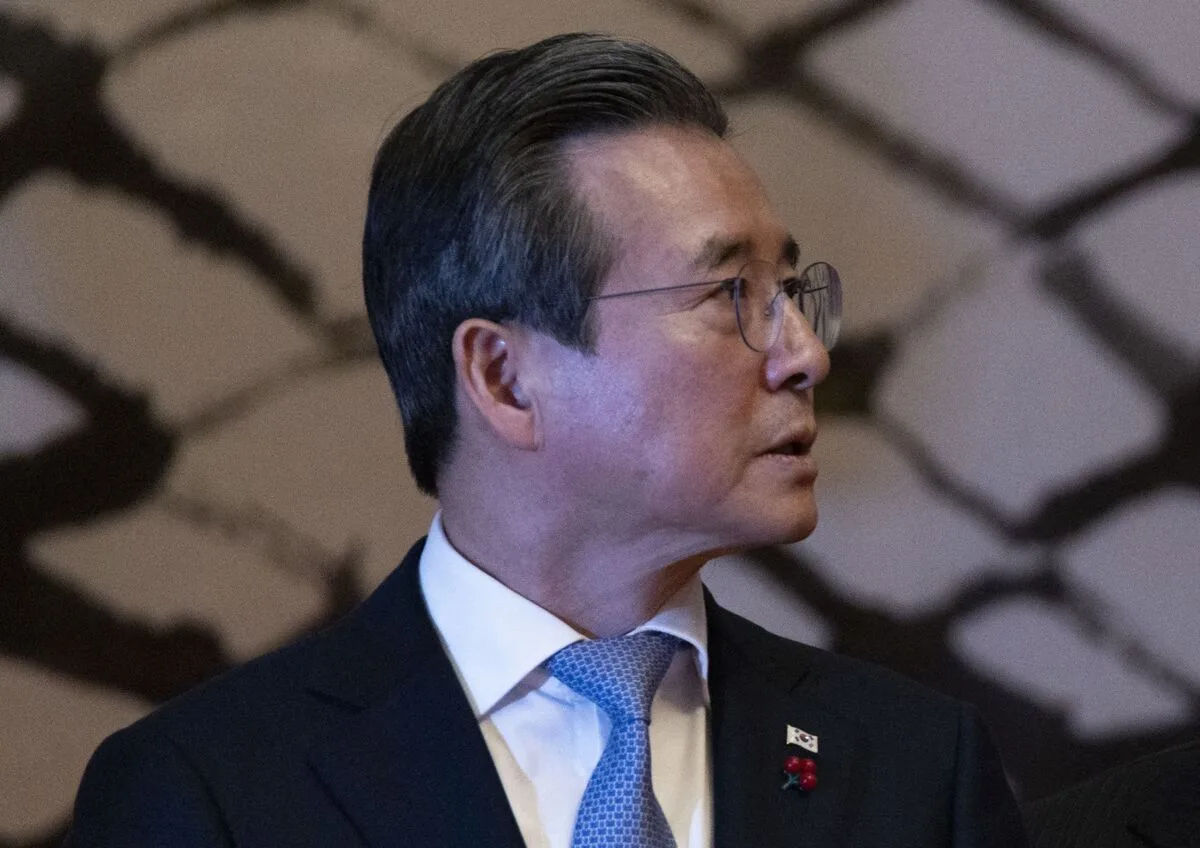
South Korean presidential policy chief Kim Yong-beom proposed distributing a "citizen dividend" to nationals funded by excess tax revenue from AI sector profits, aiming to share wealth generated in the AI era with the public [1, 2, 3, 4, 5, 6, 7, 8, 9, 10]. Kim emphasized that AI profits stem from decades of national industrial infrastructure, saying, "Income in the AI infrastructure era is not created by individual companies alone, but from the country's foundation built over half a century," and thus deserved structural redistribution [4, 7, 8, 9]. He also noted, "Excess profits in the AI era are concentrated, benefiting memory companies, core engineers, and asset holders, while the middle class may feel indirect effects" [2].
Kim’s plan calls for using excess tax revenues already collected from AI-related companies rather than imposing a new windfall tax on corporate profits, though some opposition politicians criticized it as adding a heavy burden on firms beyond existing taxes [1, 2, 4, 5, 10]. The proposal triggered sharp volatility in the South Korean stock market on May 12, 2026. The Kospi index fell as much as 5.1%, wiping out about $300 billion in market value before a partial recovery [2, 4, 5, 8, 9, 10]. The sudden market drop reflected investor concerns over profit redistribution in high-tech sectors.
The debate also intensified pressure on major Korean tech firms like Samsung Electronics and SK Hynix to share financial gains. Samsung’s labor union demanded 15% of operating profits from the chip division be allocated to workers and threatened a strike starting May 21, 2026 [2]. SK Hynix’s market value has approached $1 trillion in May after a rise of over 200% year-to-date, following Samsung's earlier milestone [11].
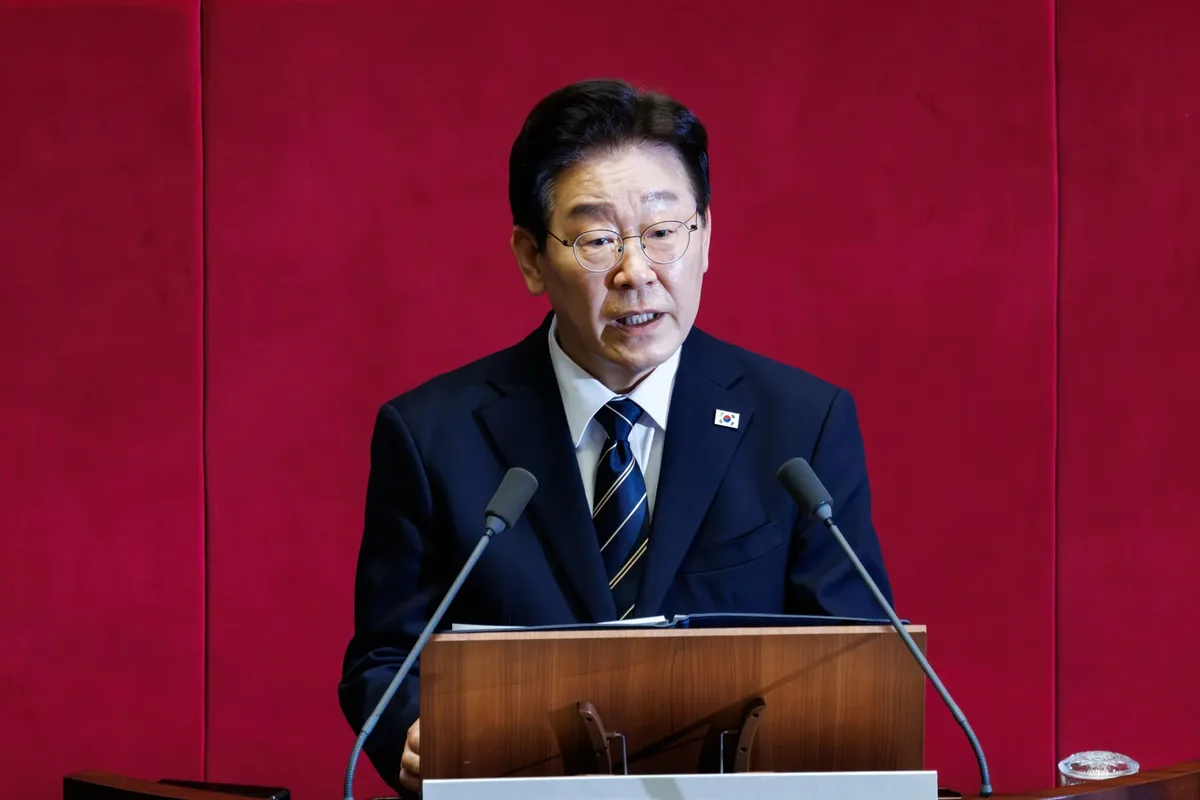
The Blue House and President Lee Jae Myung sought to clarify that Kim’s comments represented personal views and were not official government policy. Lee stated, "There was no suggestion that company profits would be used to fund such payments; comments by my policy chief amounted to a review of a plan to distribute excess national tax revenue from AI profits as a citizen’s dividend" [1, 4, 5]. The office emphasized the proposal aimed to encourage public debate rather than signal finalized policy [4, 5].
Jung In Yun, CEO of Fibonacci Asset Management Global, said the plan was "supportive for Korea’s AI supply, especially companies tied to semiconductors, power equipment and sovereign AI platforms," adding it "shows the government increasingly sees AI as national infrastructure rather than just another tech trend" [2].
Kim first outlined the citizen dividend concept in a Facebook essay on May 11, which triggered the market reaction the following day [4, 8]. Samsung’s labor union strike threat is set for May 21, while SK Hynix’s stock has continued showing long-term gains despite recent volatility [2, 11].