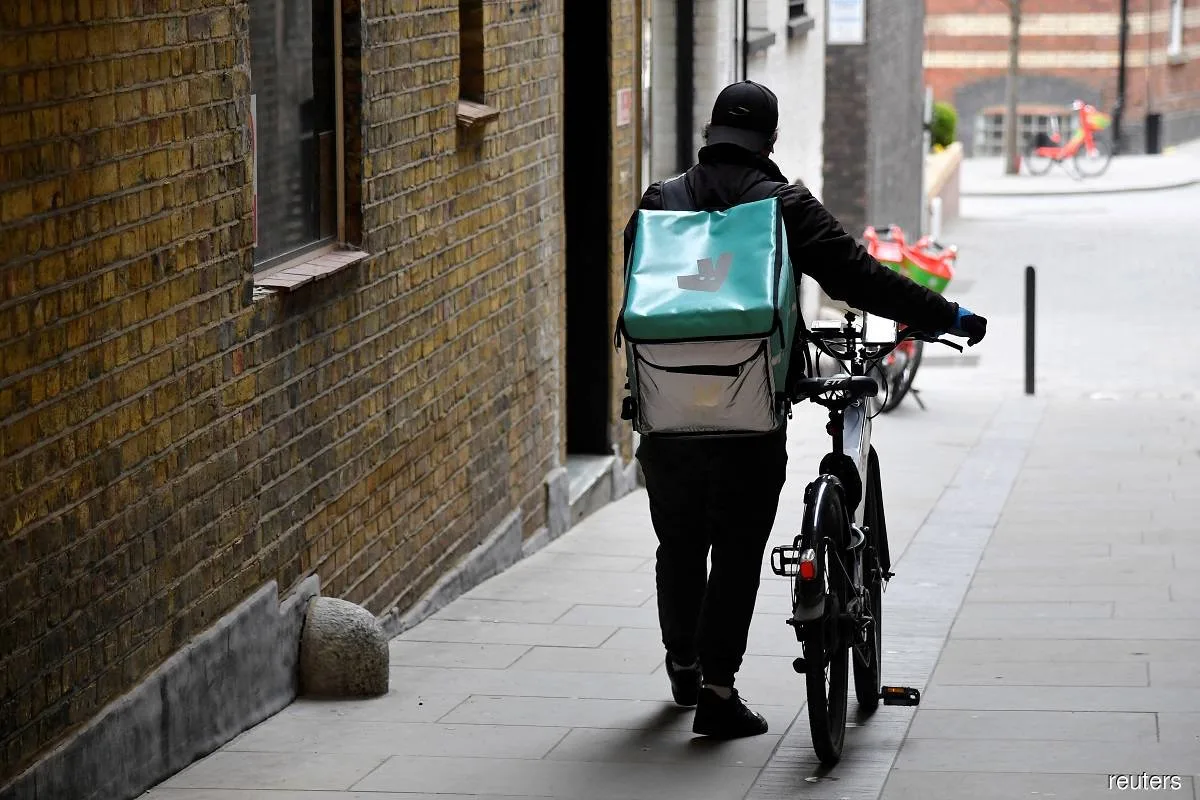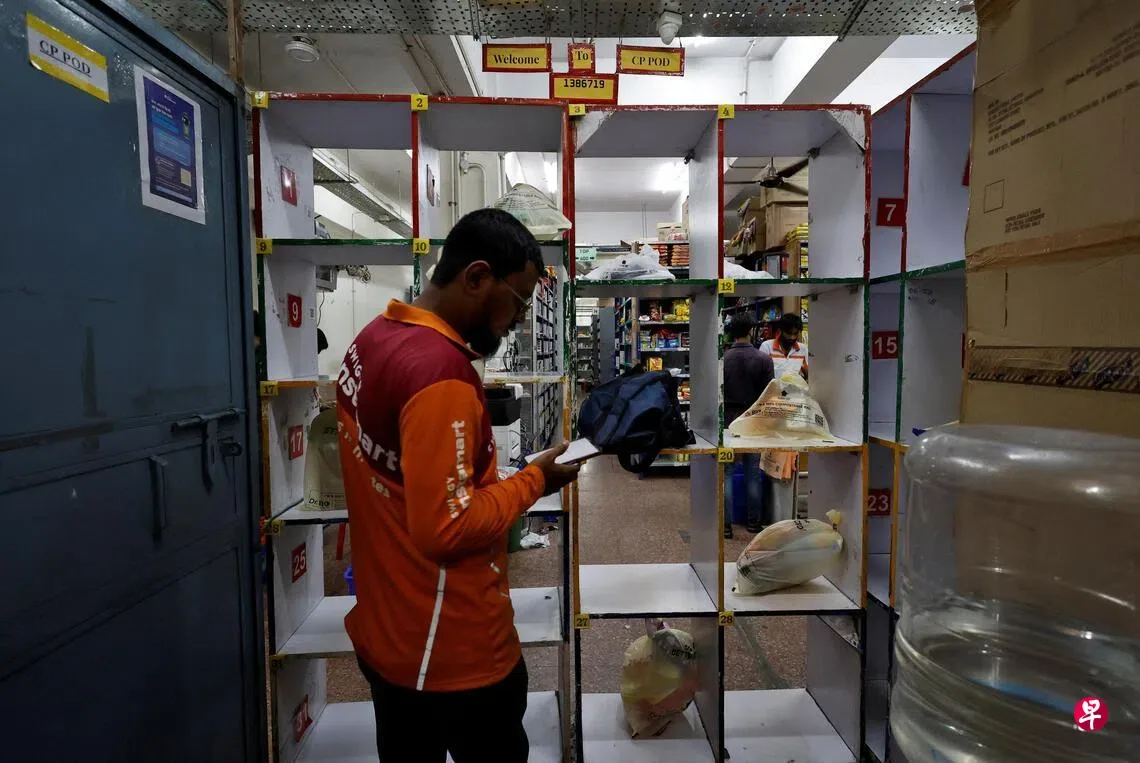
The International Labour Organization (ILO) adopted a landmark convention on June 12, 2026, establishing the first binding international employment standards for gig economy workers globally at its 114th International Labour Conference in Geneva [1, 2, 3, 4, 5, 6, 7, 8, 9].
The convention aims to extend labour protections such as pay, workplace safety, and social security to platform workers including ride-hailing drivers, food delivery couriers, and e-commerce workers [1, 2, 3, 4, 5, 6, 7, 8, 9]. It applies to all digital platform workers regardless of whether they are classified as employees or independent contractors, though some sources note distinctions in protections based on employment classification [1, 2, 3, 4, 5, 7, 8].
The ILO, which has 187 member states equally represented by governments, employers, and workers, adopted the convention with 406 votes in favour, 8 against, and 36 abstentions [1, 2, 3, 4, 5, 6, 7, 8, 9]. Countries voting against included the United States and New Zealand, while China, Japan, Germany, and France backed the agreement [3, 9]. US representative Lorenzo Riboni said the US opposed the convention fearing "rigid rules would stifle innovation and hurt the workers they aim to help" [3, 9].
The treaty requires platforms to disclose how automated decision systems impact workers and guarantees human involvement in key decisions such as account deactivation [1, 7, 9]. It also addresses the widespread practice of platforms classifying gig workers as independent contractors to avoid liabilities like minimum wage and social protections [1, 2, 3, 5, 8, 9].
According to a World Bank 2023 estimate, around 435 million online gig workers worldwide largely operate outside standard labour protections [2, 3, 4, 5, 8]. Human Rights Watch called the convention a "turning point for platform workers worldwide," establishing the first global standard to protect their rights and hold digital labour platforms accountable, while Amanda Brown, ILO Workers’ Group vice chair, said the agreement finally names and protects the workers who move cities and care in homes [2, 4].
The convention will enter into force 12 months after ratification by at least two member countries. Governments must implement domestic laws to enforce worker rights under the treaty [3, 9].