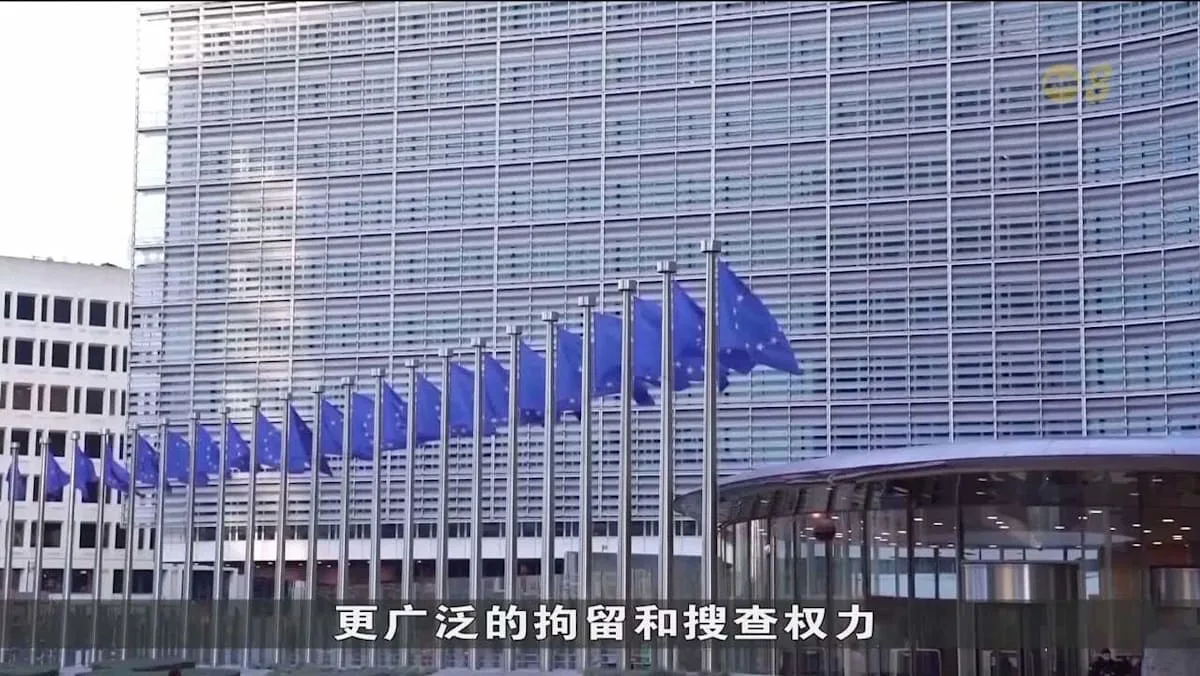
The European Parliament voted 418 to 218 on June 17 to pass a migration reform law that allows EU member states to set up detention centres outside the EU for migrants awaiting deportation [1, 2, 3, 4]. The legislation expands authorities' powers for detention, search, and seizure in deportation cases, including permitting detention for up to two years of migrants deemed uncooperative or security risks [2, 5, 3, 4].
This reform marks the toughest tightening of EU migration policy since the 2015-16 refugee crisis, amid growing anti-immigration sentiment and electoral gains by far-right parties [1, 4]. EU countries such as Denmark, Austria, Greece, Germany, and the Netherlands are assessing the feasibility of offshore detention hubs. They aim to sign agreements in 2026 and have operational centres by 2027 [5, 3, 4].
EU statistics show that over 910,000 asylum applications were made in 2024, with 41% from Asian nationals. Germany received roughly one quarter of all applications [2]. The EU's actual deportation rate remains below 30% for migrants ordered removed [2, 5, 6].
European Commission President Ursula von der Leyen said the reform is "necessary to make return procedures faster and more effective," adding the "Return Regulation will provide the necessary tools to make returns more efficient, with faster and more effective procedures" [1]. EU Migration Commissioner Magnus Brunner said the law sends a clear message that decisions on who stays reside with the EU rather than human traffickers [5].
The reform authorizes maximum detention before deportation to rise from six months to two years [2, 5, 3, 4]. However, human rights groups including Amnesty International France and Human Rights Watch warned the law could violate international protections. They say offshore centres create "legal black holes" and risk exposing migrants to refoulement and abuses [5, 3, 4, 6]. UN Human Rights chief Volker Turk said EU countries "cannot simply outsource their human rights obligations to third countries," warning offshore detention risks serious abuses [1, 6]. He added the new rules may expand detention use and weaken safeguards against refoulement.
The law sparked protests and sharp divisions in the European Parliament. Right-wing MEPs chanted for more deportations, while left-wing and human rights advocates called the law cruel and discriminatory. Left-wing MEP Alessandro Zan called it "a dark chapter for Europe" and compared the law to Trump-era US immigration enforcement [5, 3, 4].
The European Commission has scheduled technical talks on June 22-23 in Brussels with Taliban officials to discuss return and readmission of Afghan nationals lacking EU residence rights. This engagement drew human rights concerns, though the Commission said the meetings are technical and do not imply recognition of the Taliban government [1].
EU countries involved in evaluating offshore centres target operational hubs by 2027 following agreements expected in 2026 [5, 3, 4].