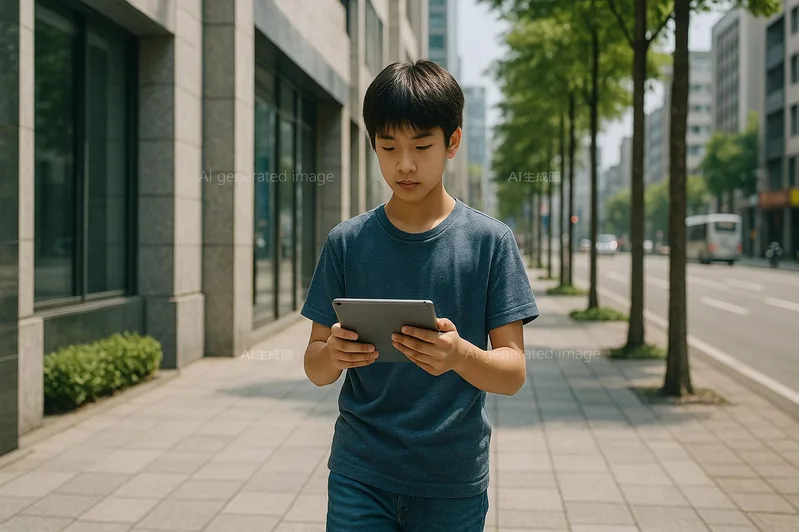
Norway will impose a near-total ban on generative AI tools for pupils aged 6 to 13, corresponding to grades 1 through 7, starting with the new school year in late August 2026 [1, 2, 3, 4, 5, 6, 7]. Pupils aged 14 to 16 in lower secondary school will be allowed to use AI tools cautiously under teacher supervision [1, 2, 3, 4, 5, 6, 7]. High school students aged 17 to 19 are encouraged to learn proper and responsible AI use to prepare for higher education and future employment [2, 3, 4, 6, 7].
The ban follows Norway's 2024 policy that banned smartphone use in schools amid declining student test scores and discipline issues [1, 3, 4, 5, 6, 7]. The government is also planning legislation to increase funding for traditional paper textbooks to reduce reliance on digital devices in classrooms [3, 4, 6, 7].
In April 2026, Norway announced plans to restrict social media use for children under 16, similar to policies adopted in Australia [4, 5, 6, 7].
Norwegian education experts warn that AI use by young children could hamper cognitive development by encouraging skipping key learning steps. Education psychologist Erik Solheim said, “AI tools are productivity enhancers for adults but may become stumbling blocks to cognitive development in children aged 6 to 12. When children rely on AI to summarize texts, write, or solve math problems, key neural learning pathways are bypassed” [4]. A 2025 study tracking 2400 students found that frequent AI use correlated with 23% lower scores on delayed memory tests and weaker open-ended problem-solving abilities [4]. Another 2025 report noted that 15% of new first graders using voice assistants scored 17 points lower on basic arithmetic tests than peers [4].
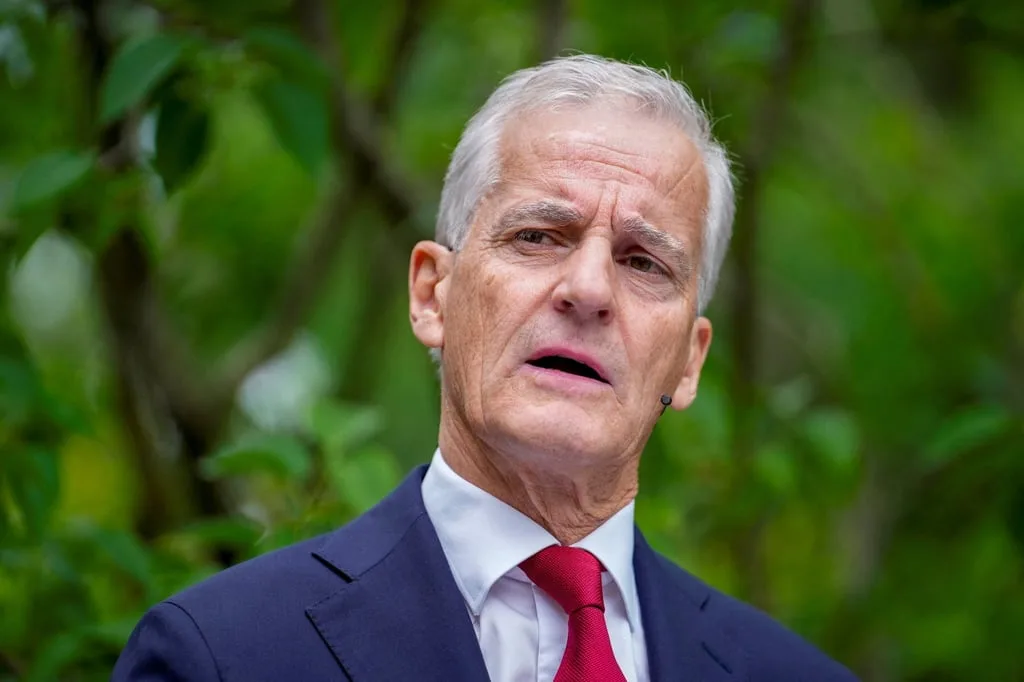
Prime Minister Jonas Gahr Støre said, “The most important thing in school is that our children learn to read, write and do mathematics.” He also noted, “While AI can quickly provide answers, it may cause young students to skip thinking, understanding, and practice, weakening core competencies such as reading, writing, and math” [1, 7].
Some in the education technology sector offer a different view. An OpenAI education business head described the ban as "like banning computers in math classrooms," saying AI is a tool and the issue is how it is used, not whether it is used [4]. Microsoft added that its AI education tools are reviewed by child psychologists and aim to aid, not hinder, learning [4].
The new generative AI restrictions will take effect with the start of the school year in late August 2026 [1, 2, 3, 4, 5, 6, 7].