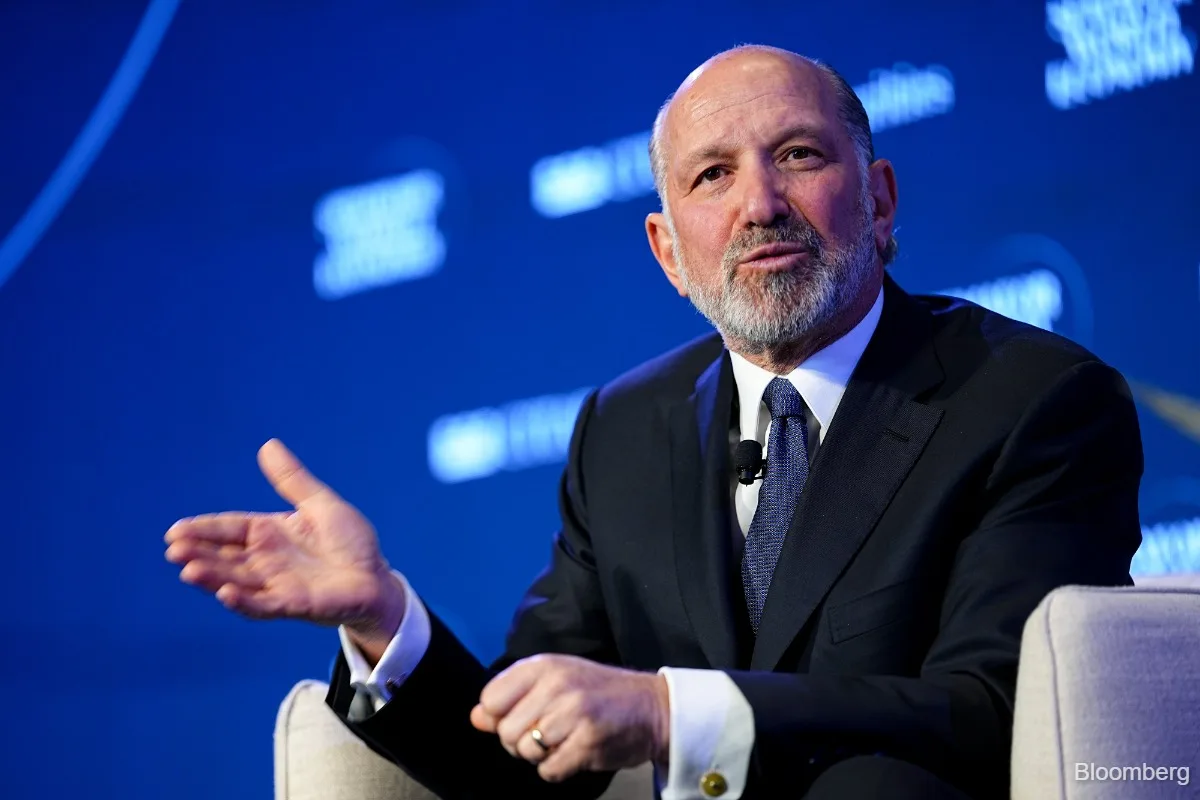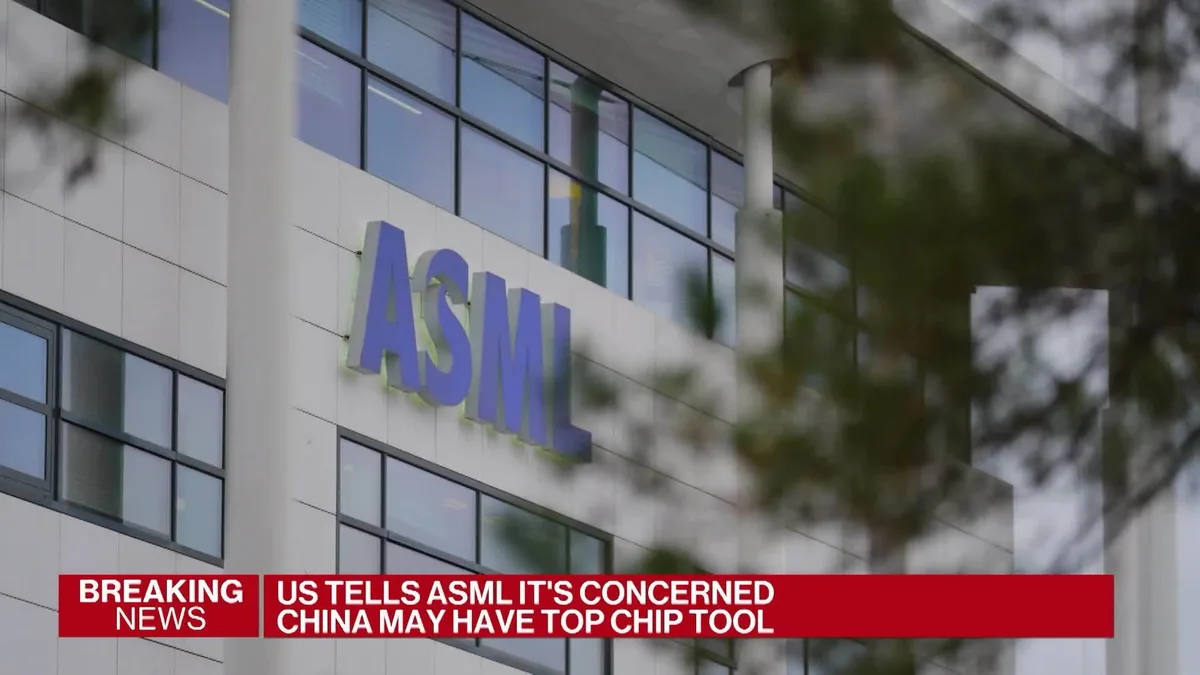
US Commerce Secretary Howard Lutnick met with ASML senior leaders in early 2026 to express concerns that one of ASML's extreme ultraviolet lithography (EUV) machines may have been shipped to China, violating US-led export restrictions dating back to the Trump administration [1, 2, 3, 4, 5, 6]. The US officials claim to have evidence that specialized equipment for transporting EUV machines and other components usable in EUV systems reached China, but have not made this evidence public [3, 7, 8, 9, 10, 11].
ASML denied all such claims, stating, “ASML has never shipped an EUV machine to China nor have we shipped to China any component, module or equipment specially designed to be used in an EUV machine” [4]. The company further said no EUV machines or components have ever been shipped to China, noting that these machines are extremely large — about 180 tonnes and roughly the size of a school bus — produced in limited quantities and require constant ASML employee maintenance, making unauthorized shipments difficult or impossible [3, 4, 8, 9, 10, 11, 6].
After an April 2026 meeting with Lutnick, ASML drafted an internal document titled "No indications of any ASML EUV presence in China," which noted that globally, 314 EUV machines are operational, 26 have been retired, and none are in China [12, 7, 9, 10]. The company also said it can automatically detect any interruptions or abnormal status in its EUV machines worldwide and customers cannot dismantle, transport, or relocate the machines without ASML involvement [12, 7, 9, 10]. An ASML spokesperson said allegations that the company would intentionally violate government agreements are "not only factually incorrect but seriously misleading" [7].
Earlier reports from December 2025 indicated that Chinese scientists have developed a prototype EUV machine built by former ASML engineers, described as China's version of the Manhattan Project, but it is not as advanced or operational as ASML's machines [4, 5, 9, 10, 11, 6].
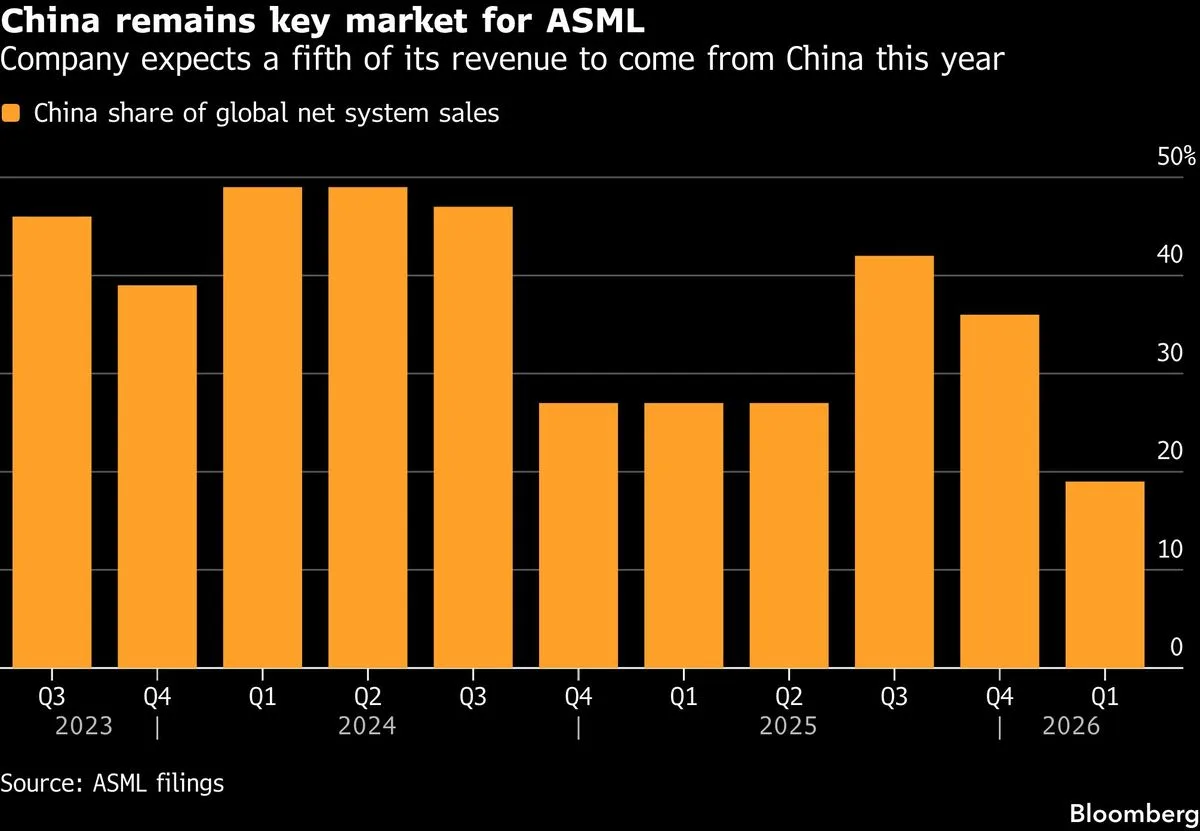
In parallel, ASML’s China sales declined in 2026 compared to 2025, with expected sales at 20% of total versus 33% previously. Data from China Customs showed a 24.3% year-on-year drop in lithography equipment imports from the Netherlands in the first quarter of 2026 [12, 9, 10]. US Congress introduced the MATCH Act in April 2026 to extend export controls on chipmaking tools such as EUV and immersion DUV systems to allies including the Netherlands and Japan to prevent advanced equipment from reaching China [12, 9, 10].
Diplomatic tensions between the US and EU remain due to US concerns over possible ASML export violations [12, 7]. The next major development is expected as enforcement of the MATCH Act proceeds and export controls tighten in 2026.