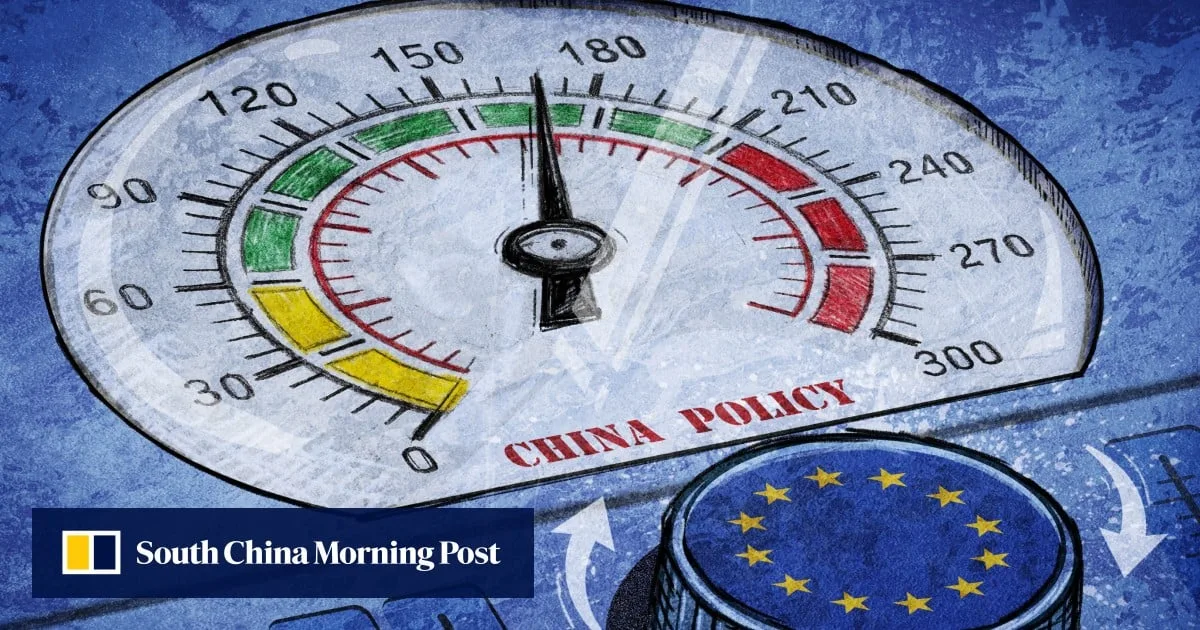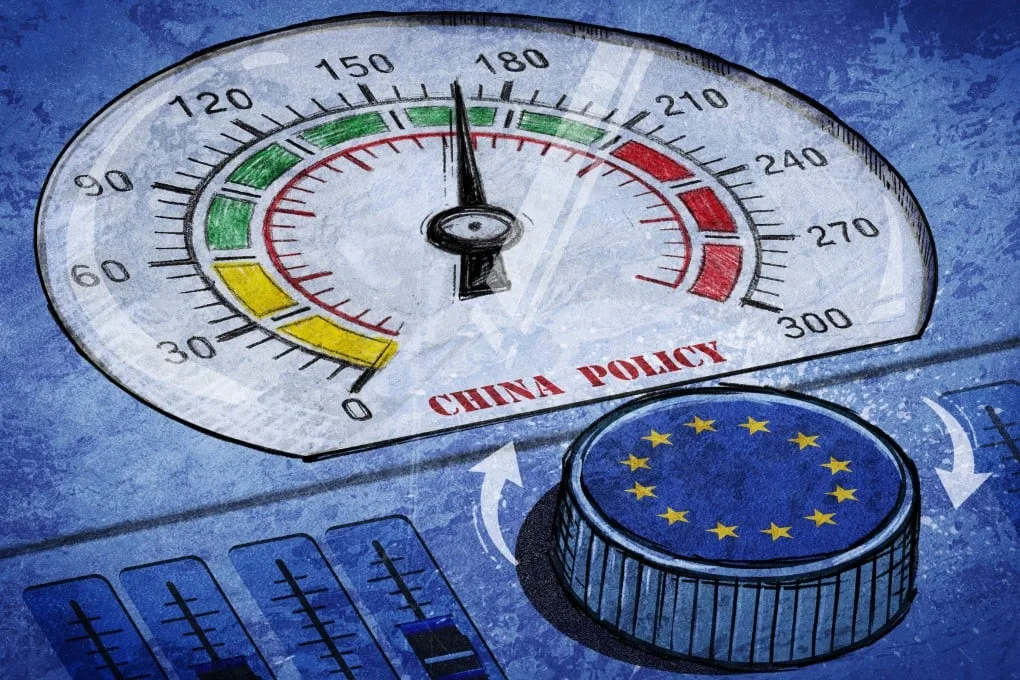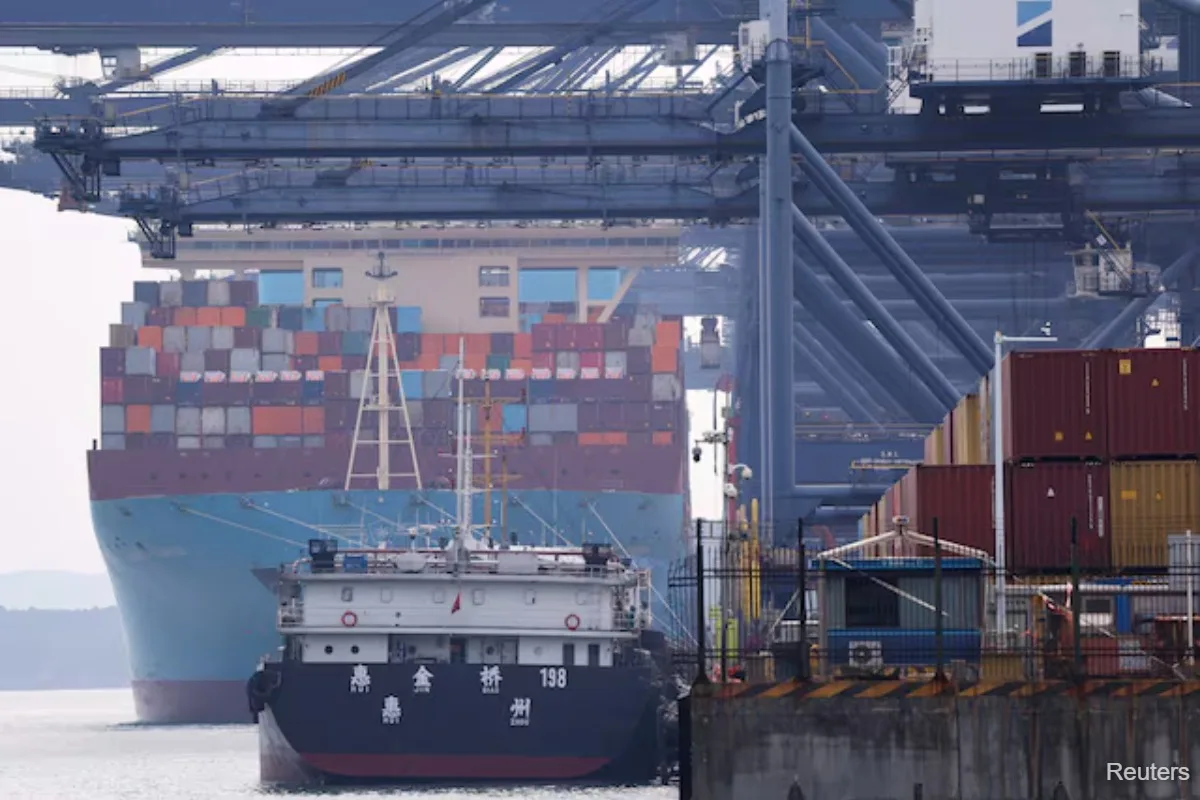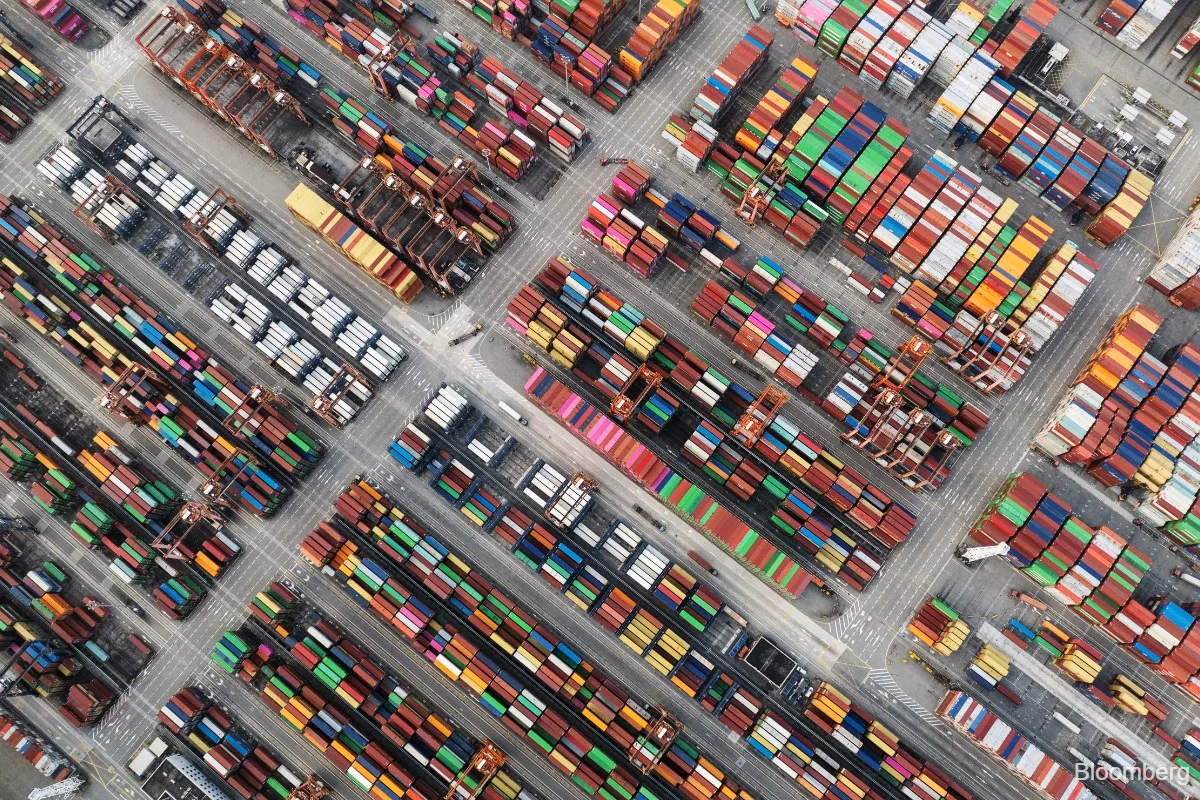
The European Union’s 27 member states agreed on June 19 to bolster trade defenses against China following recognition of a growing trade imbalance. The EU’s goods trade deficit with China exceeded €1 billion per day in 2025, resulting in an annual deficit of around €360 billion, marking a 15% increase in China’s surplus over the EU compared with 2024 [1, 2, 3, 4, 5, 6, 7, 8, 9].
EU leaders met in Brussels on June 18-19 to discuss new strategies to counter what they described as unfair Chinese trade practices, including extensive subsidies and export restrictions. They tasked the European Commission with expanding its trade defense toolbox, potentially adding sector-wide safeguards such as tariffs, quotas, and targeted industrial policy measures [1, 10, 2, 3, 4, 11, 5, 6, 7, 8, 9].
French President Emmanuel Macron said the EU may impose "strong measures," including possible tariffs if Beijing fails to address the trade imbalance [3]. France favors tougher protections, while Germany and Spain remain cautious given their economic ties and concerns over Chinese retaliation. German Chancellor Friedrich Merz acknowledged subsidy and imbalance issues but urged open trade and caution to avoid escalation [4, 5, 6, 7, 8, 9].
There was broad consensus on the need to diversify supply chains away from China for strategic products, such as critical minerals and semiconductors, especially given China's dominance in critical minerals processing and its export restrictions since April 2025, imposed as retaliation to US tariffs [2, 3, 4, 11, 12, 7, 9]. Belgium’s Prime Minister Bart De Wever said, "Everybody thinks we need measures to be less dependent and that the subsidies given in China aren’t honest — and that we need a response to this" [7].
Spain, deepening its role as a hub for Chinese automotive imports and production, favors balanced relations. Spanish Prime Minister Pedro Sanchez said, "We need friends, we need balanced relationships, we need to be pragmatic, and we need to build bridges both with major economies and potential allies, such as China" [2, 3, 6, 8].
The EU has already imposed tariffs on Chinese electric vehicles and is considering anti-subsidy duties on hybrid cars from China [8, 9]. EU diplomats described the current international trade environment as "a world of wolves now," calling for stronger self-defense amid increased global economic competition [4].
EU leaders emphasized maintaining constructive dialogue with China to avoid escalating into a full trade war, even as they press ahead with stronger trade defense measures. The summit included a late-night debate on trade policies and set clear instructions for the European Commission to engage China while preparing new trade defense tools [10, 11, 5, 6, 7, 8, 9].