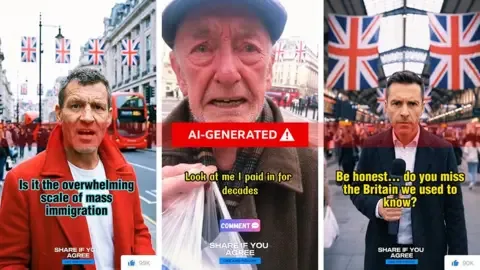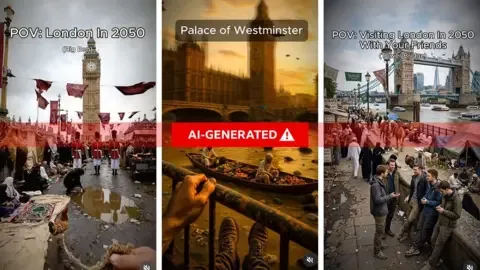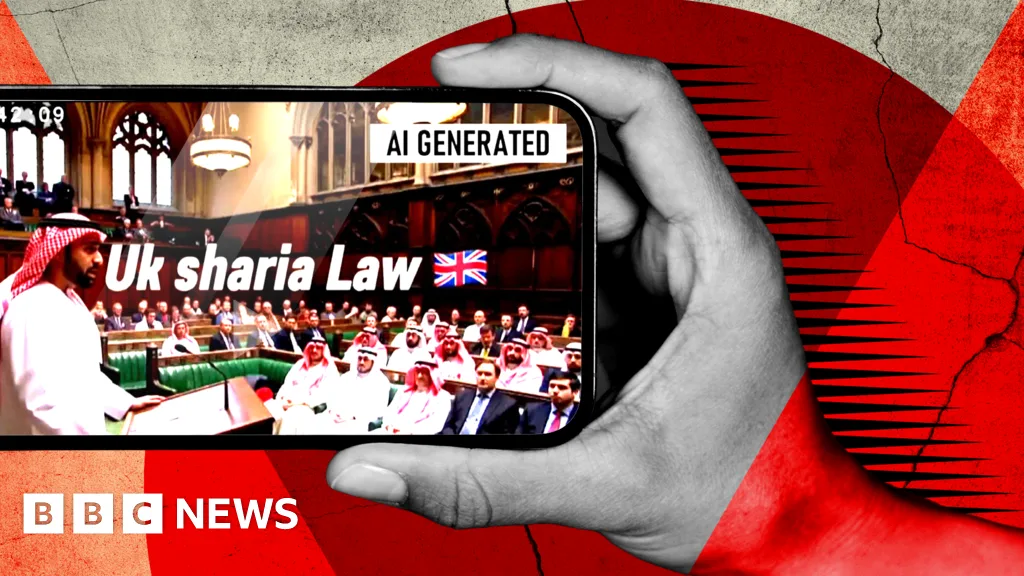
Dozens of Facebook and Instagram accounts based outside the UK are creating and sharing AI-generated anti-immigration content targeting British audiences, according to new research [1, 2].
One prominent example is the "Great British People" Facebook page, which claims to be based in Yorkshire but is actually run from Sri Lanka. It recently posted a video of an elderly white British man crying about his pension that has drawn 1.3 million views [1, 2].
The network repurposes pages originally focused on topics like "Make America Great Again" and "Life in the USA," turning them towards anti-immigration narratives in the UK. Some posts even show sympathy for migrants. Creators behind these accounts operate from countries including Sri Lanka, the US, Europe, Vietnam, the Maldives, Iran, and the UAE [1, 2].
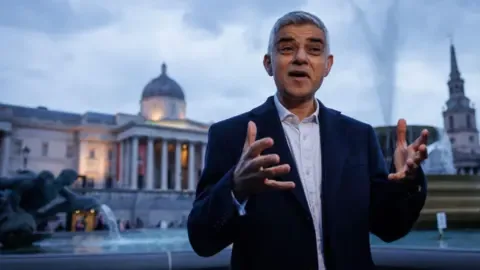
London Mayor Sir Sadiq Khan has commissioned research into how AI-generated images and videos are damaging London’s reputation. He said, "while some of the people behind the accounts are motivated merely by money, others are backed by hostile states such as Russia and Iran" [1, 2].
It remains difficult to verify direct state involvement, but some of the accounts share posts supportive of the Russian and Iranian governments [1, 2]. The spread of AI fakes has also altered how people trust digital content. Research shows the more people encounter AI-generated material, the harder it is for them to detect fakes or trust authentic content [1, 2].
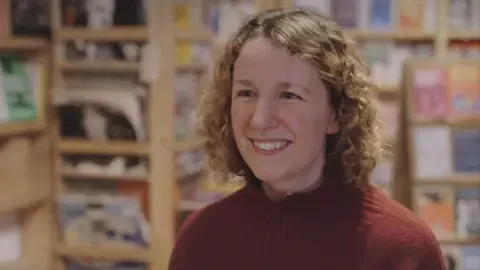
Experts called this a "new evolution of influence operations". Prof Sander van der Linden emphasized the sophisticated nature of these online tactics [1].
By using AI, overseas groups can impersonate British nationals online with ease, amplifying divisive messages about immigration in the UK [1, 2].
Authorities continue to investigate the scale and impact of these operations, with further monitoring and research expected in coming months [1, 2].