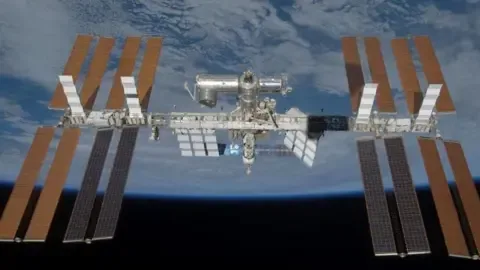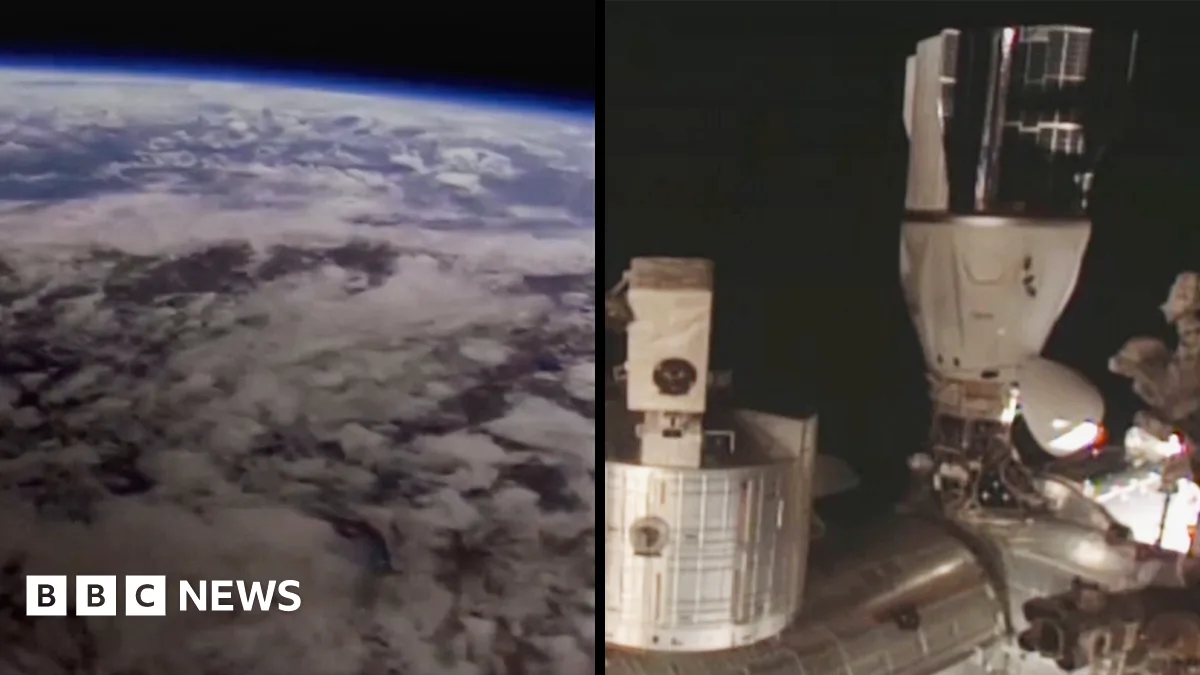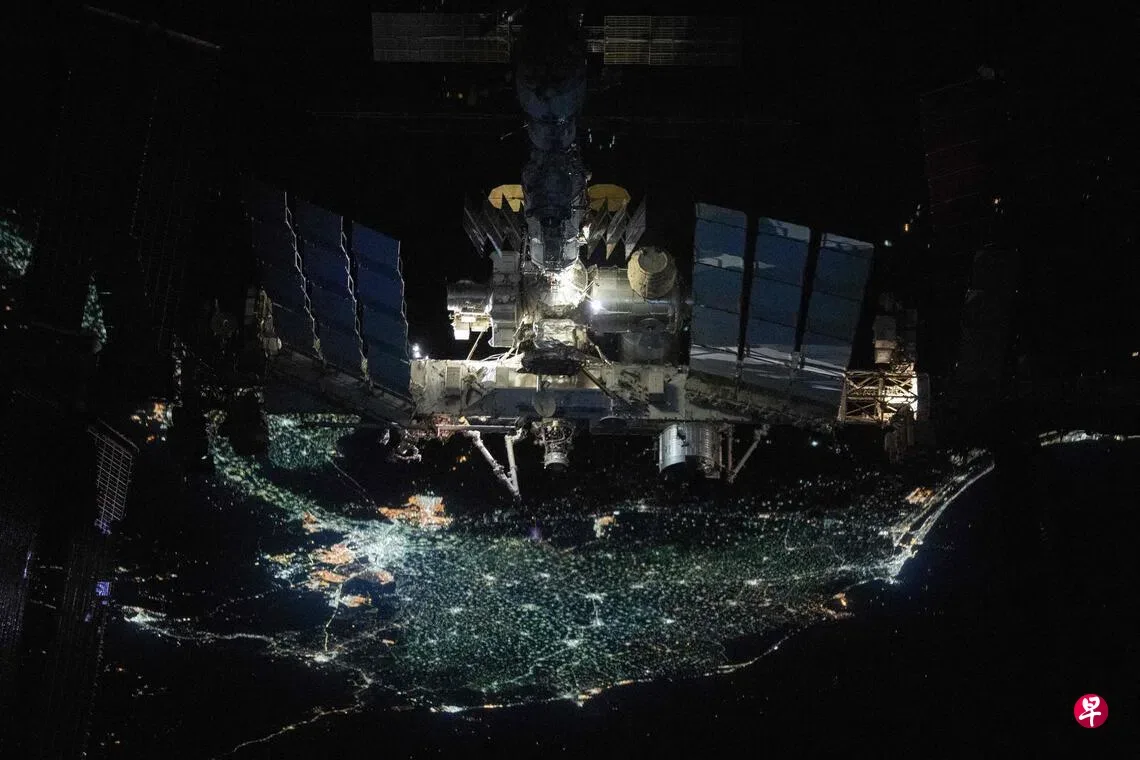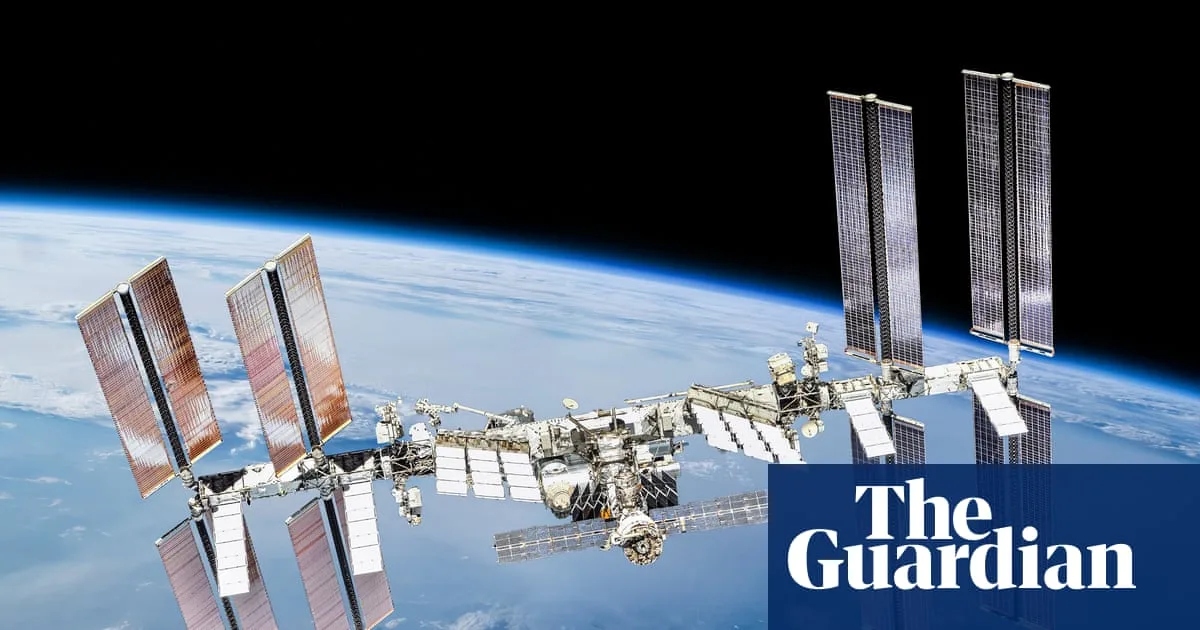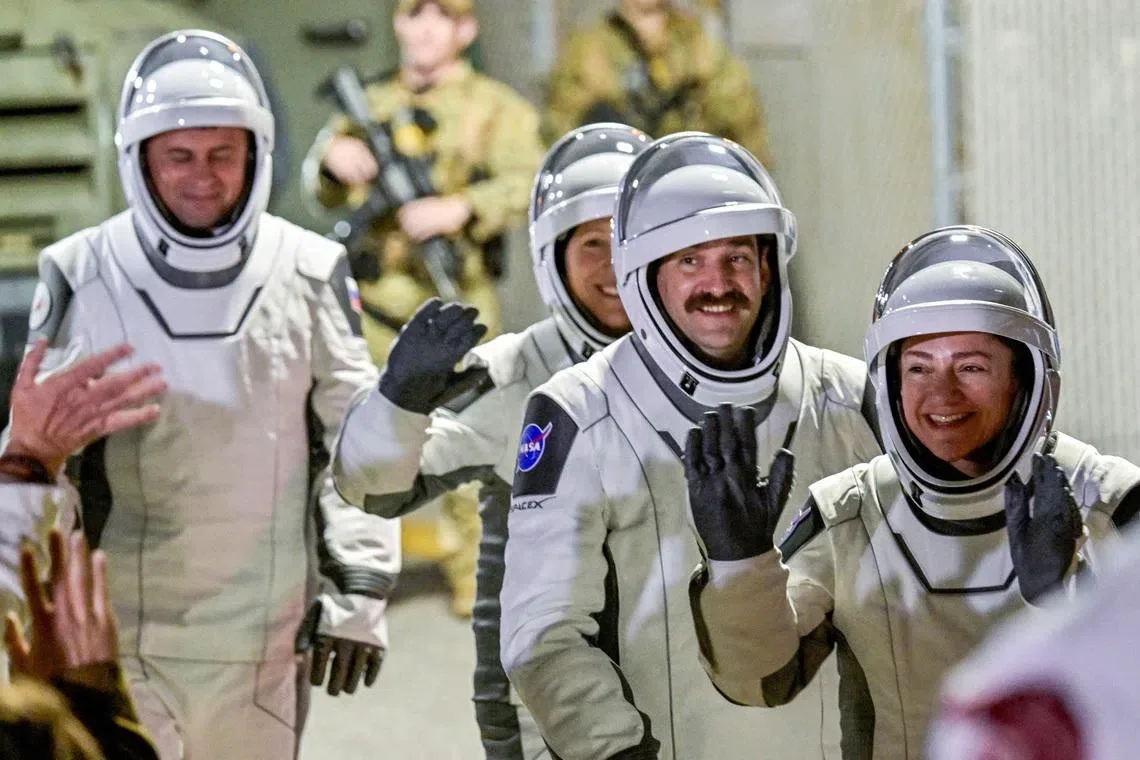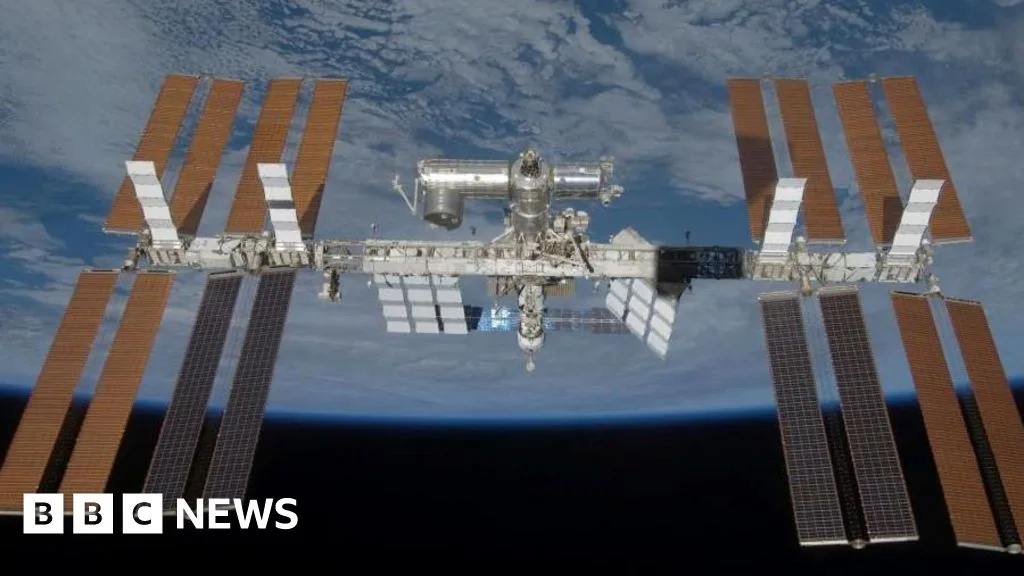
NASA ordered five astronauts aboard the International Space Station (ISS) to take shelter in the docked SpaceX Crew Dragon spacecraft at 9:04 a.m. ET on June 5, 2026, after detecting a worsening air leak in the Russian segment's Zvezda service module [1, 2, 3, 4, 5, 6, 7, 8, 9, 10].
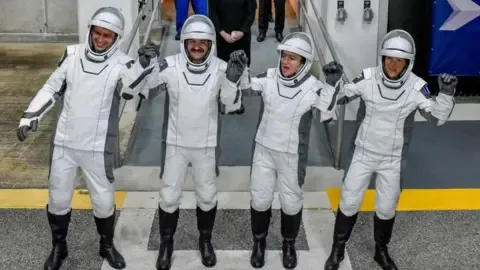
The five astronauts included four members of NASA's Crew-12 mission—two Americans, one French astronaut, one Russian cosmonaut—as well as NASA astronaut Chris Williams [1, 11, 6, 9]. They donned spacesuits and assumed an elevated safety posture inside the spacecraft while Russian cosmonauts attempted repairs [12, 6]. Bethany Stevens, a NASA spokesperson, said the order was out of caution as the repair effort was underway [6].
The air leak originates in the transfer tunnel (PrK) leading to the Zvezda module on the Russian segment of the ISS and has been persistent intermittently for about six years but escalated after a Russian cargo ship arrived in May 2026 [1, 12, 7, 10]. The leakage rate doubled on June 5 from about 1 pound of air per day to 2 pounds per day [2, 3, 4, 5, 8, 10]. Roscosmos detected two points of leakage in the Zvezda module, sealed one quickly, and was preparing to seal the other [4, 5, 10].
Russian cosmonauts Sergey Kud-Sverchkov and Sergei Mikaev used a saw to access the crack for repair during the afternoon of June 5 [1, 12]. However, NASA disagreed with the repair method, paused the efforts, and ordered astronauts to return from the Dragon spacecraft to the station roughly two hours after the shelter-in-place order [1, 4, 12, 5, 9, 10]. Bethany Stevens stated, "Roscosmos has paused Friday’s structural repair efforts inside the Zvezda service module transfer tunnel, known as PrK, as more measurements and data is assessed" [12]. She also confirmed NASA instructed the crew to end the safe haven procedures and resume normal ISS operations [12].
There was no immediate threat to crew safety or the station's overall system integrity during the event [4, 5, 10]. The ISS currently hosts 10 crew members, including those arrived on Russian Soyuz spacecraft in November 2025 and NASA Crew-12 astronauts who arrived in February 2026 [6, 9]. NASA expressed concerns about the long-monitored cracks and intends to collaborate with Roscosmos and other international partners to find a more permanent repair solution [12, 6, 7, 9].
This is not the first air leak event on the ISS requiring shelter or repairs but astronauts have never had to evacuate the station [1, 10]. NASA's next steps include further assessment of the damage and coordination with Roscosmos on repair strategies as data continues to be analyzed.