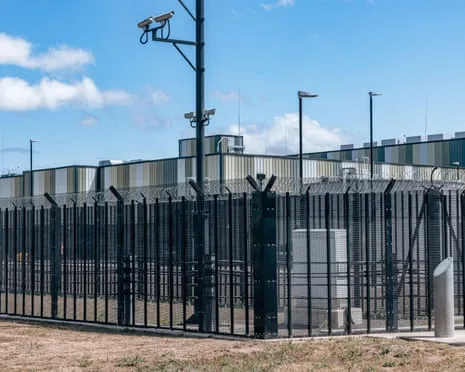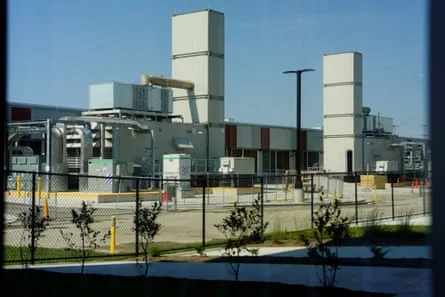
Datacentres currently consume about 6% of the electricity supply in both the UK and the US, reflecting their growing energy footprint amid expanding AI and cloud computing demands [1, 2]. Globally, datacentre electricity use has risen 15% over the past two years, driven by surging data traffic and AI workloads, with annual investments nearing $1 trillion [1, 2]. This investment level approaches 1% of the global economy, underscoring datacentres' critical role in digital infrastructure [1, 2].
The energy impact is even more pronounced in other countries. For example, datacentres account for 19% of national electricity consumption in Singapore and 11% in Lithuania [1, 2]. In the UK, the government estimated datacentre electricity use at just 2.5% of national supply in early 2025 but projected it would quadruple by 2030 due to increasing demand [1]. Reflecting this growth, the queue for new datacentre grid connections in the UK surged by 460% during the first half of 2025 [1, 2].
Energy inefficiency remains a challenge. In the US, an estimated 13% of datacentre power is wasted by so-called "zombie services"—unused virtual servers consuming over 3 gigawatts of electricity [2]. Meanwhile, security concerns grow as datacentres face physical attacks in the Middle East, prompting calls for integrated physical and cybersecurity defenses [2].
Environmental groups warn about the costs tied to unchecked datacentre expansion. Doug Parr, Greenpeace UK's chief scientist, said, "Before being swept along by the enthusiasm of tech billionaires whose profits depend on this expansion, we should pause and ask ourselves whether it’s worth the price. We need more transparency about the amount of water and energy used by data centres, proper environmental impact assessments, and a ban on new polluting plants being built to power AI" [1].
There are roughly 10,000 datacentre facilities worldwide working to meet growing data demand [1, 2]. The continuing rise in energy consumption and investment suggests datacentres will remain a major focus of energy, environmental, and infrastructure planning in coming years.