A recent report highlights that artificial intelligence is poised to fundamentally change how wars are conceived, planned, and fought, specifically in the context of US military strikes on Iran [1]. According to the report, AI has cut the time required to carry out strikes to nearly instantaneous speeds, a shift that marks a sharp departure from traditional strike preparation and execution processes [1].
One mission cited in the report was completed in just over 10 minutes, a pace that raises strategic and security concerns, particularly relating to the risk of nuclear strike use [1]. The speed at which decisions and actions can now occur due to AI integration presents challenges for existing command and control protocols.
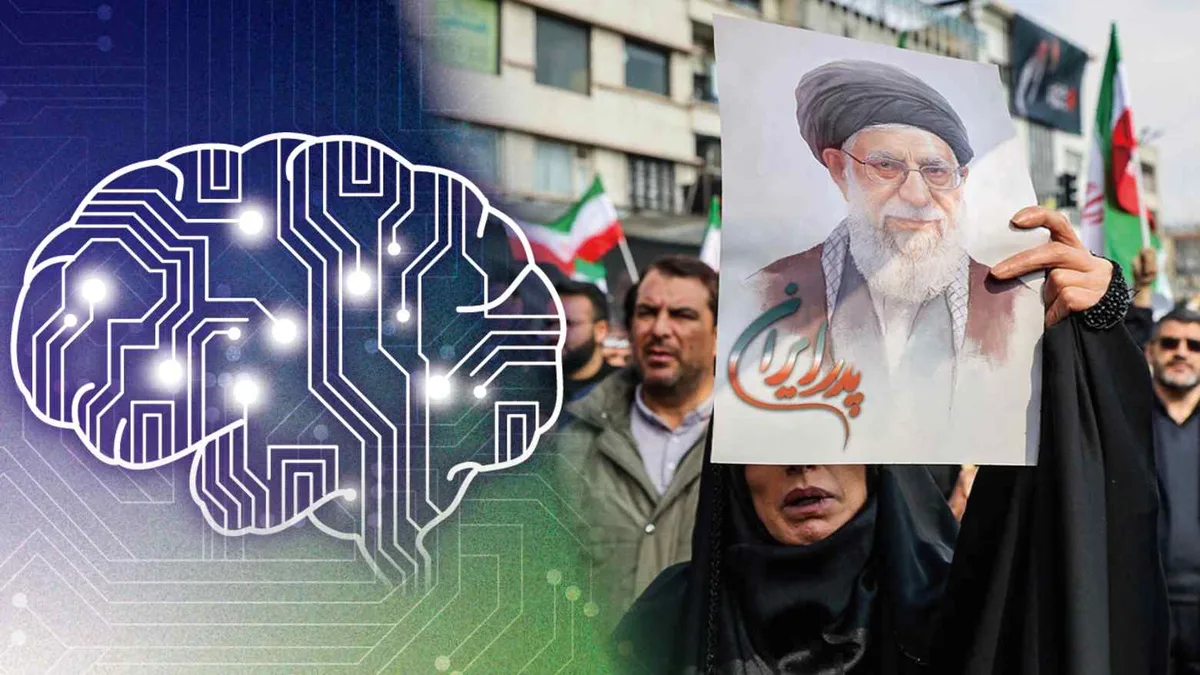
The report also references imagery dated February 28, 2025, showing a poster of Iran’s Supreme Leader Ayatollah Ali Khamenei. This was mentioned in the context of U.S.-Israeli airstrikes in Tehran, suggesting that AI-driven military actions are part of ongoing tensions in the region [1].
The rapid execution enabled by AI allows military planners to compress what were once hours or days of preparations into minutes. While the report does not specify all operational details, it signals a leap forward in military technology application, rewriting established timing and procedural norms for warfare [1].
Concerns about such speed focus on the possibility that suicide or nuclear weapons could be deployed with minimal human oversight due to automated or accelerated decision loops. This has prompted some military analysts to question how escalation controls and fail-safes are adapting to the new pace.
The report sets a reference point for understanding the current state of AI’s integration in military conflict as of early 2025. It underscores that AI is not just a tool for data analysis but is actively shaping the tempo and execution of airstrikes.
Further developments and detailed assessments are expected as militaries worldwide continue to adjust doctrines and operational controls in response to AI-enhanced warfare capabilities [1].