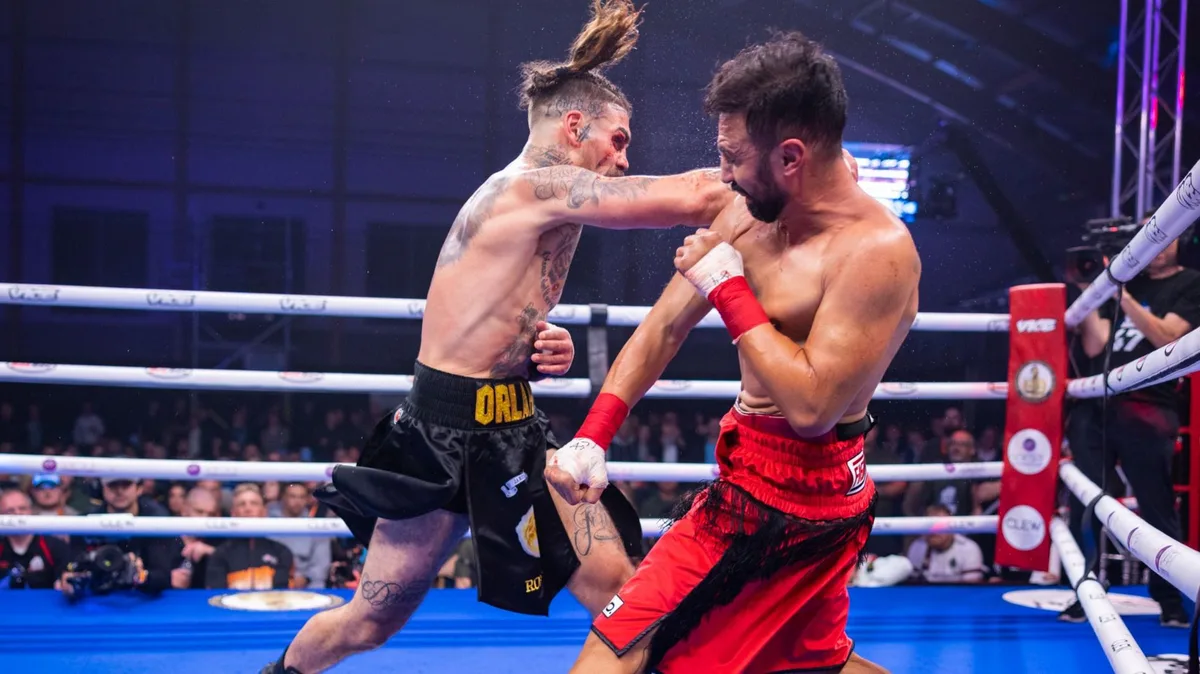
Licensed bare-knuckle boxing has surged from just 21 licensed bouts worldwide in 2015 to over 1,000 fights across 21 countries by 2025, reflecting rapid global growth in the sport [1]. Two major international promotions, British-based BKB and US-based BKFC, lead the scene by hosting licensed bouts with growing fan interest [1].
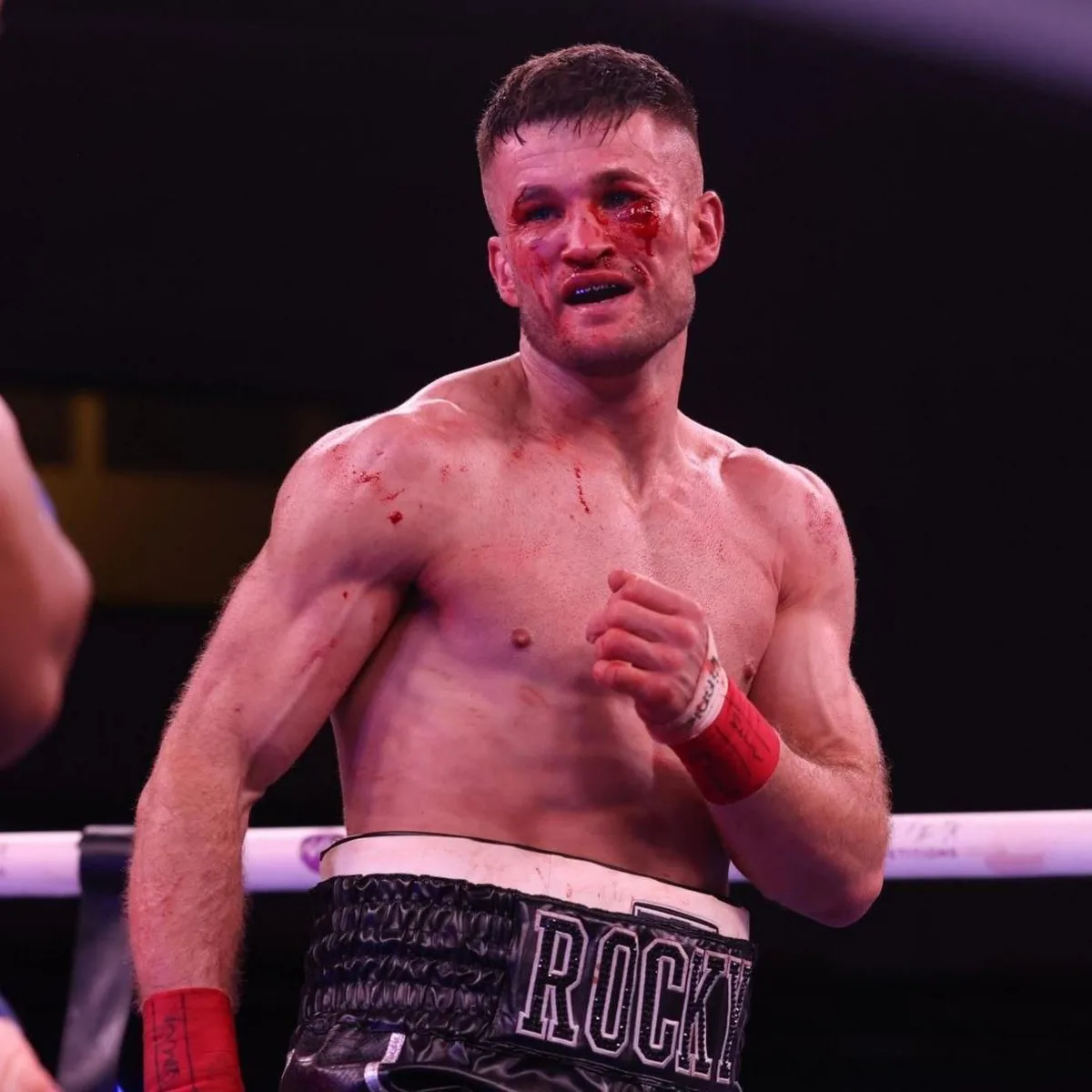
BKB events typically sell out with attendance capped at 2,000 spectators per event. The promotion reaches global audiences through broadcasts in more than 60 countries, partnering with media outlets such as VICE TV and TalkSport [1]. Despite its growth, bare-knuckle boxing remains controversial due to its brutal nature. The sport is known for generating more cuts, bruises, and knockouts compared to traditional gloved boxing, raising safety concerns among observers [1].
The sport’s resurgence follows its origins as the oldest form of boxing, which fell out of legality after gloves were mandated in 1867, pushing bare-knuckle contests underground for decades [1]. Some former world champions in gloved boxing including Lee Selby, Paulie Malignaggi, and James DeGale have transitioned to bare-knuckle bouts, lending high-profile attention to the sport [1].
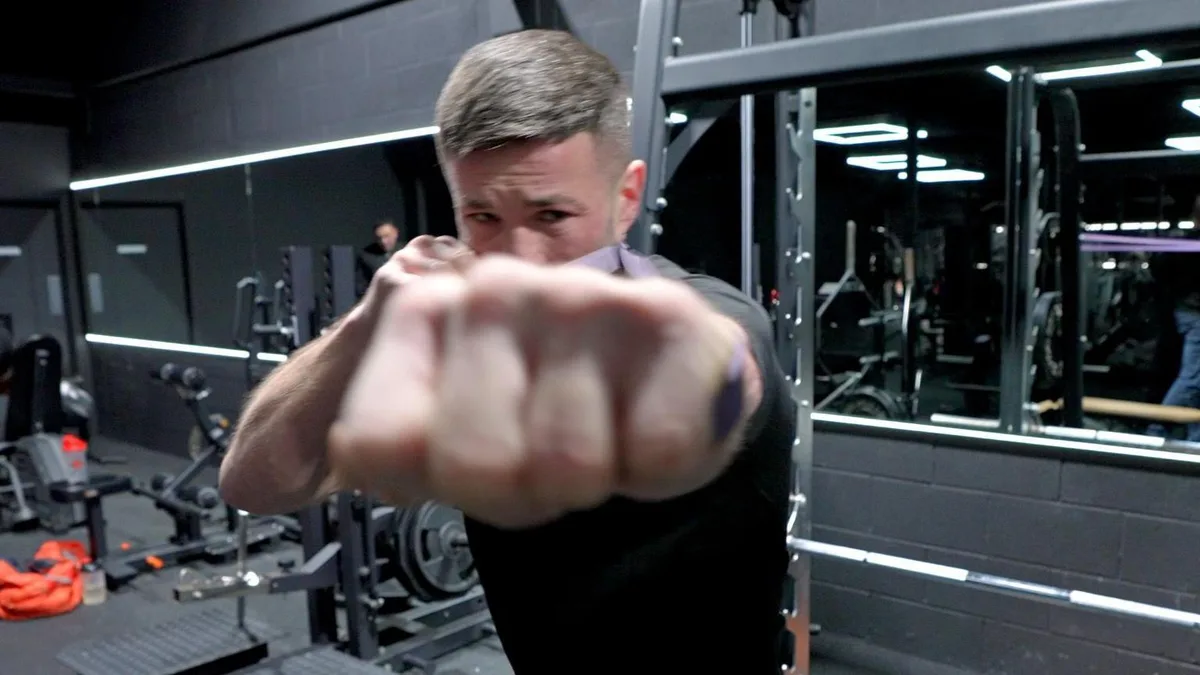
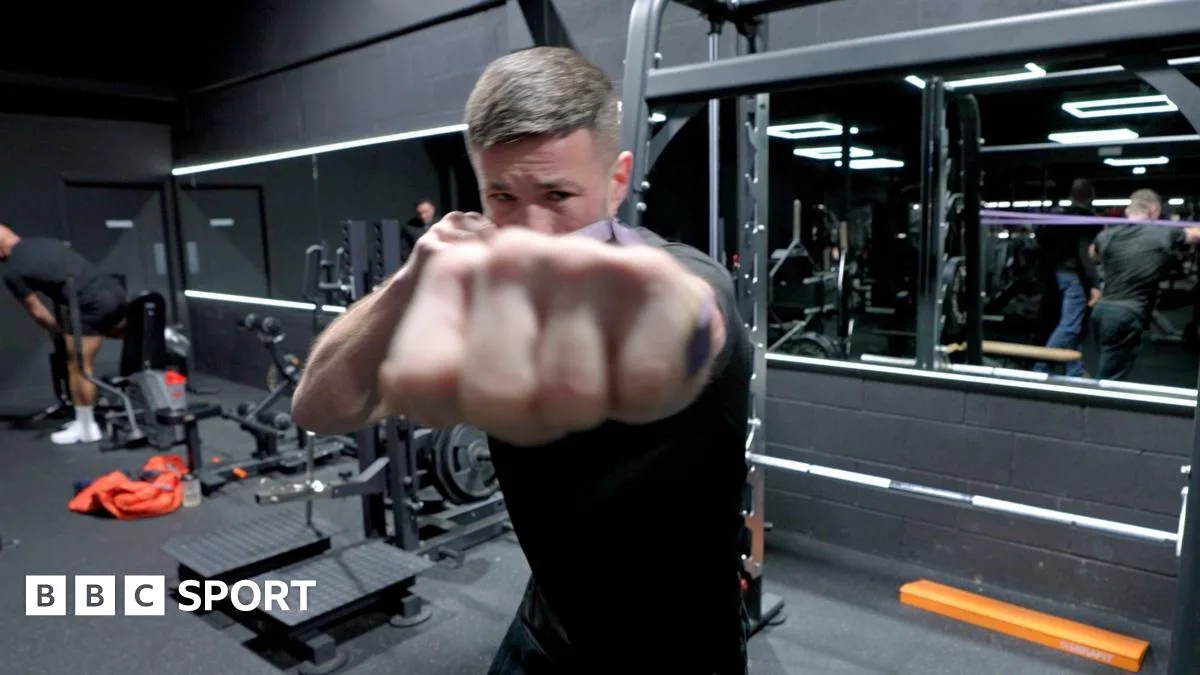
Among active bare-knuckle fighters is 31-year-old Liam Rees, who debuted in 2023 and balances intense training for fights with a carpentry job. Rees said, "You've got so much adrenaline pumping through your body in that ring. Some people think I'm crazy." His wife Emma has expressed concern, telling him, "No more now babe." [1]
Fans and fighters alike are drawn to the sport’s adrenaline rush and raw combat despite safety warnings, underscoring its appeal among certain combat sports audiences [1]. The latest figures from 2025 mark a milestone with over 1,000 licensed bouts held worldwide, showing bare-knuckle boxing’s significant comeback since 2015 [1].