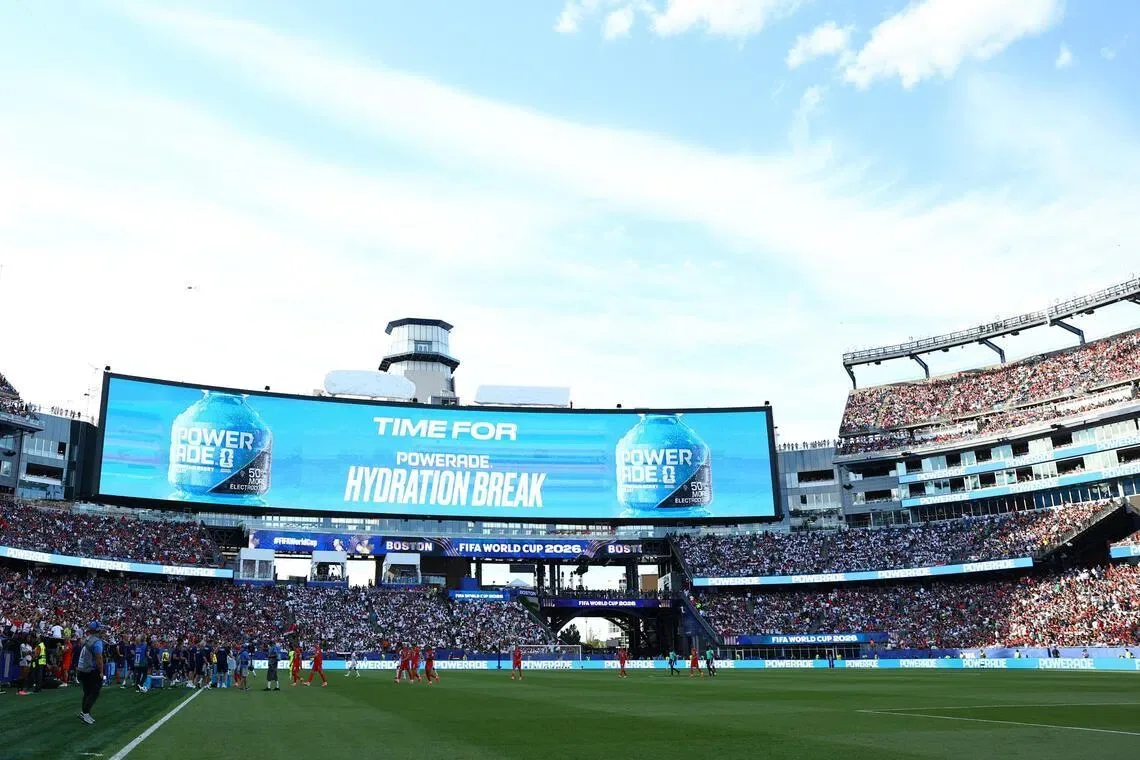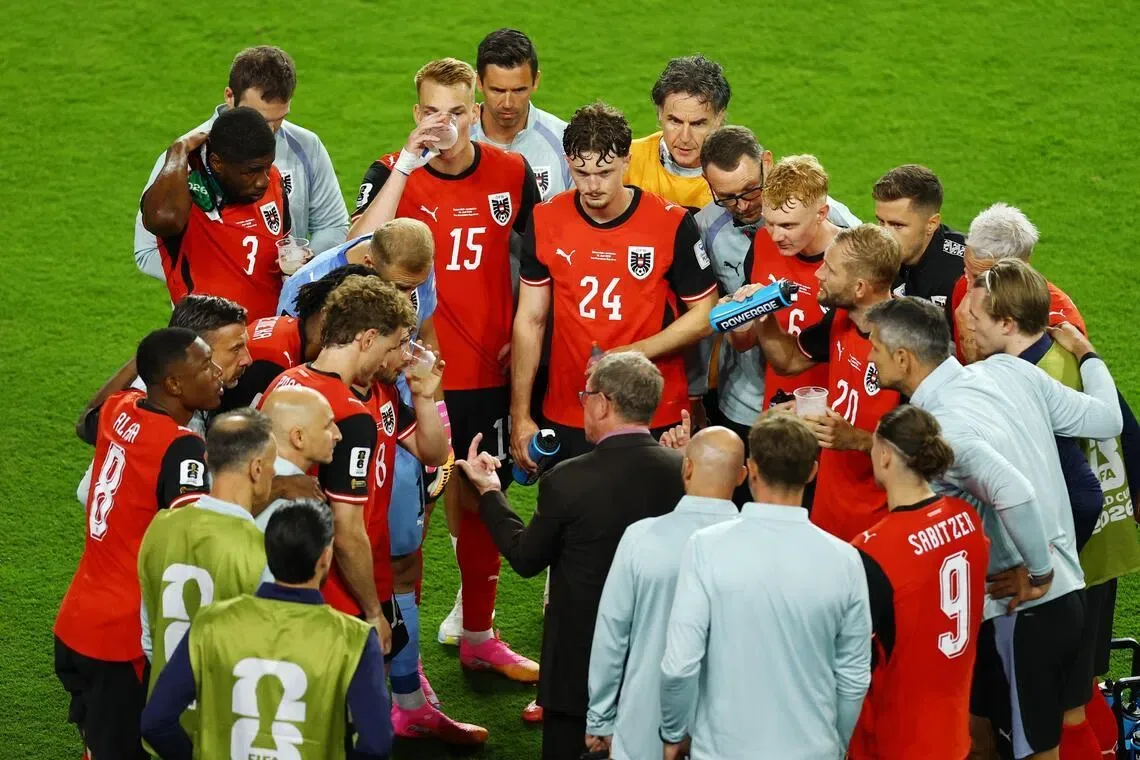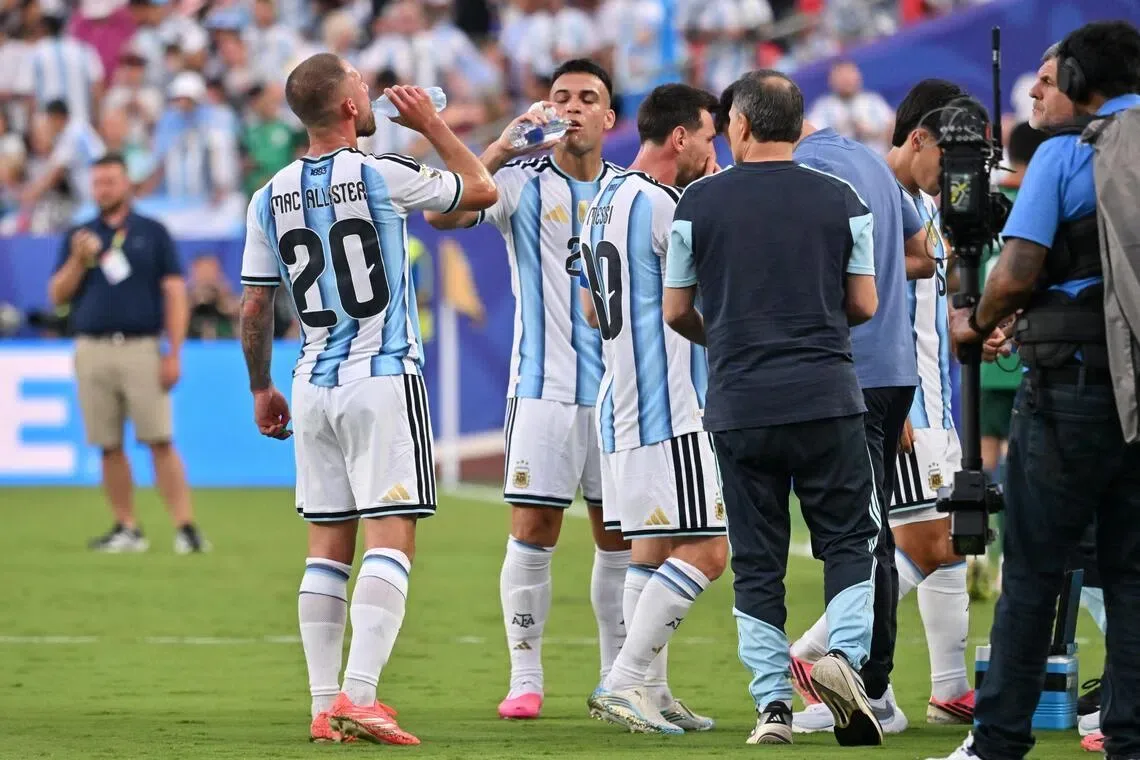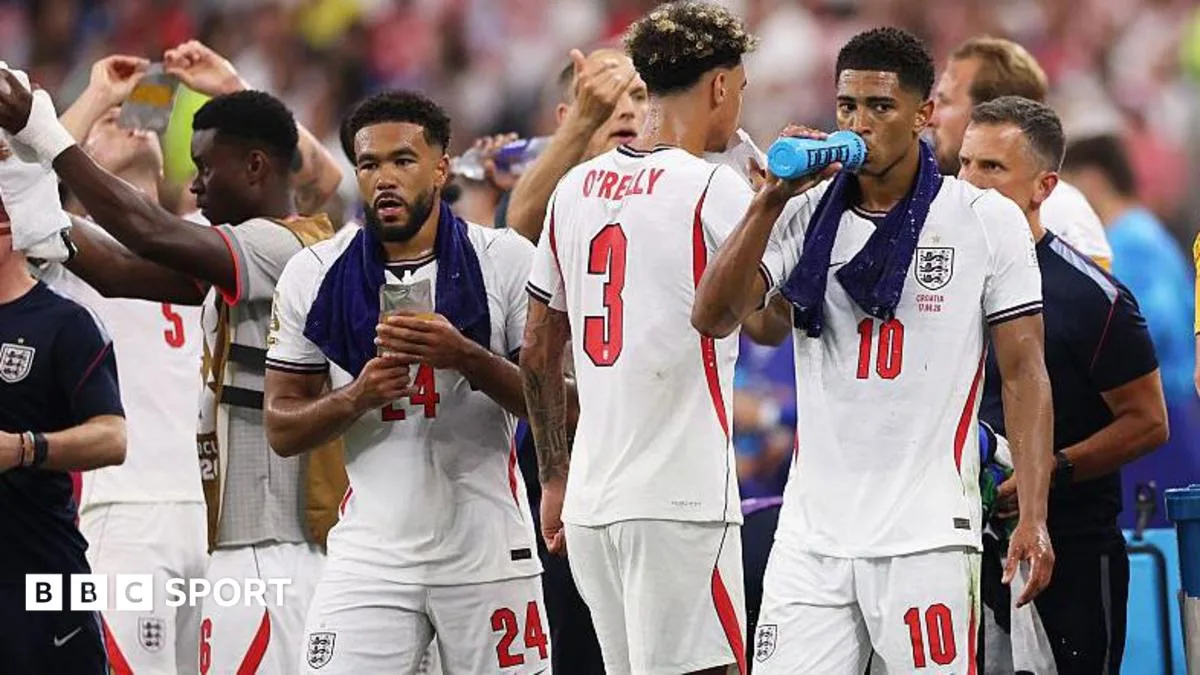
The 2026 FIFA World Cup introduced mandatory three-minute hydration breaks twice per game, one in the middle of each half, at every match regardless of weather or temperature conditions [1, 2, 3]. FIFA said the breaks prioritize player welfare by giving players and referees time to hydrate and cool down evenly across venues [1, 2, 3].
Hydration breaks were originally introduced at the 2014 World Cup in Brazil on a case-by-case basis, used only when the Wet-Bulb Globe Temperature exceeded 32 degrees Celsius [2, 3, 4]. That threshold determined whether breaks were necessary for player safety in hot, humid conditions.
Since 2025, following the sweltering FIFA Club World Cup matches in the U.S., FIFA made hydration breaks mandatory for all 2026 World Cup games to ensure equal conditions regardless of stadium temperature or climate control [5]. However, critics have questioned the necessity of breaks in mild or air-conditioned venues, where temperatures do not pose a risk [1, 6, 7]. Some fans booed the breaks repeatedly, including at games involving England, Croatia, Sweden, Tunisia, Spain, Cape Verde, Ghana, and Panama [1, 8].
Players and coaches remain divided. Netherlands defender Virgil van Dijk called hydration breaks "a bit interesting" but questioned their use "if it’s really hot, obviously it would be good," while preferring assessments on a game-by-game basis [7]. Germany coach Julian Nagelsmann found the breaks useful to reiterate tactical changes, saying, "The water break was actually good to simply reiterate what we had already adjusted on the board" [7]. Belgium's Rudi Garcia described them as "a coaching break more than a cooling break," adding "maybe if we are in a good moment...it can interrupt" the flow of play [9]. Netherlands coach Ronald Koeman said, "You can use it in different ways to your advantage and this is what we will be doing" [10].
Critics argue the breaks disrupt momentum and appear driven by commercial interests. Broadcasters such as the U.S. Fox network use the breaks to air commercials, sometimes extending beyond the official three-minute limit [5, 8, 9]. Former player and pundit Ian Wright said, "I just think it's another way of getting adverts into it from an American point of view" [9]. Van Dijk also disliked the commercial interruptions on TV [7].
Some experts and federations suggest hydration breaks should be condition-dependent rather than mandatory in all matches, aligning with the approach used since 2014 in Brazil [2, 3, 4]. A spokesman for the High Performance Sport Institute said the mandatory breaks "could help players and referees manage the physical demands of playing in hot and humid conditions, giving them time to hydrate and cool down" and maintain performance by delaying fatigue [2].
The hydration breaks effectively change the match format from two halves to four quarters, altering traditional game flow and pacing [1, 2, 3]. Hydration breaks have been scheduled in air-conditioned stadiums as well as hot venues, which has fueled the debate about their relevance [1, 7].
The next scheduled matches will continue to feature these hydration breaks, offering further opportunities for players, coaches, and fans to assess their impact as the tournament progresses [8].