The 2026 FIFA Men's World Cup has the highest ever proportion of foreign-born players, with nearly one quarter of all participants born outside the countries they represent [1, 2, 3]. Of the 1,248 players selected across 48 teams, approximately 289 are foreign-born, marking over 23% of the total squad members [2, 3].
Only 8 teams have no foreign-born players on their rosters, highlighting how common cross-national representation has become at the highest level of football [1, 2, 3]. The trend reflects broader global migration patterns, as noted by Professor Gijsbert Oonk of Erasmus University: "Nearly 4% of the world's population lives outside their birth countries. The share is even higher among elite athletes," he said [2].
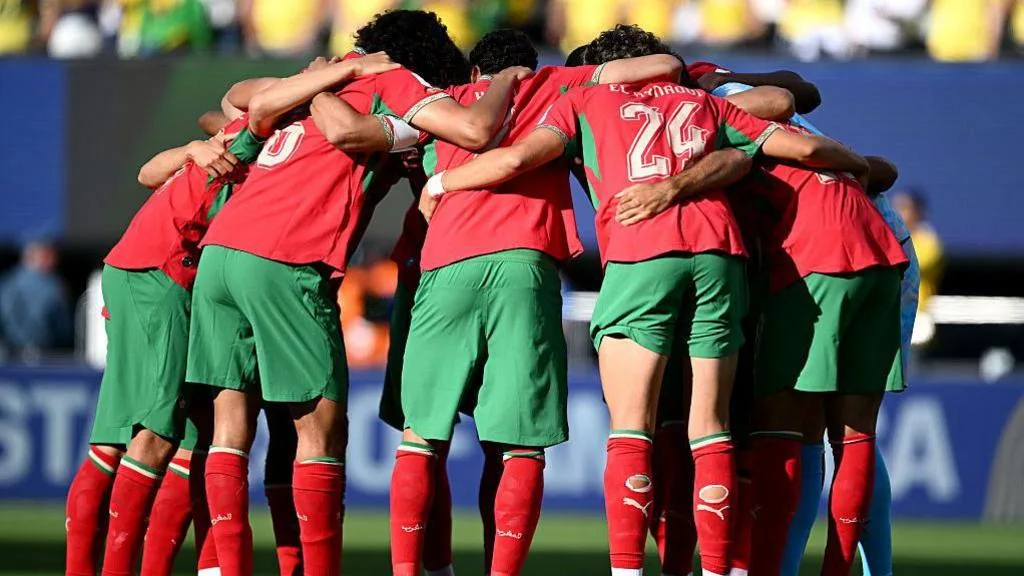
The nationality eligibility rules FIFA set in the 1960s require players to hold citizenship for the country they play for, but were updated in 2004 to allow players who represented a different country at youth levels to switch if they have clear ties to the second country [2, 3]. These rule changes benefit diaspora nations like Morocco, which recruited players living abroad to reach the 2022 World Cup semi-finals for the first time [2, 3]. Moroccan-born players were absent for 25 minutes of their June 13 match against Brazil, showing the team relied solely on its foreign-born talent during that period [1, 2, 3].
Curaçao makes its World Cup debut with only one player born on the island; most squad members were born in the Netherlands [1, 2, 3]. Qatar's squad features players from 10 different nationalities spanning Africa, Europe, and South America [1, 2, 3]. Four sets of brothers represent different countries at the tournament: Desire and Guela Doue (France and Ivory Coast), Nico and Iñaki Williams (Spain and Ghana), Harry and John Souttar (Australia and Scotland), and half brothers Derrick Luckassen and Brian Brobbey (Ghana and Netherlands) [1, 2, 3]. Before 2026, only the Boateng brothers had played for different national teams in World Cups.
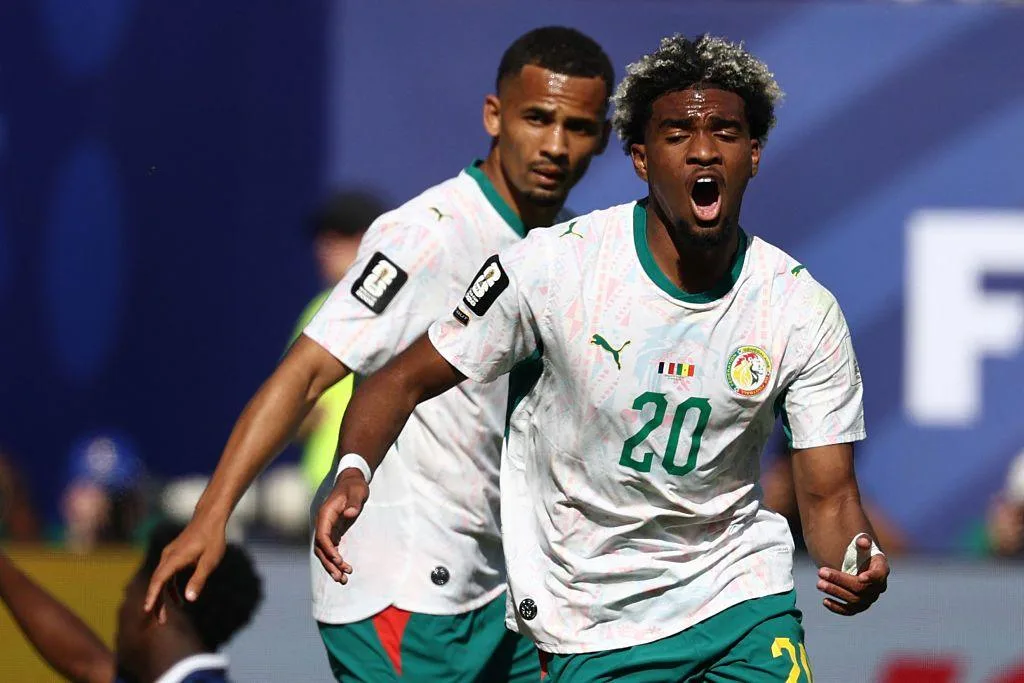
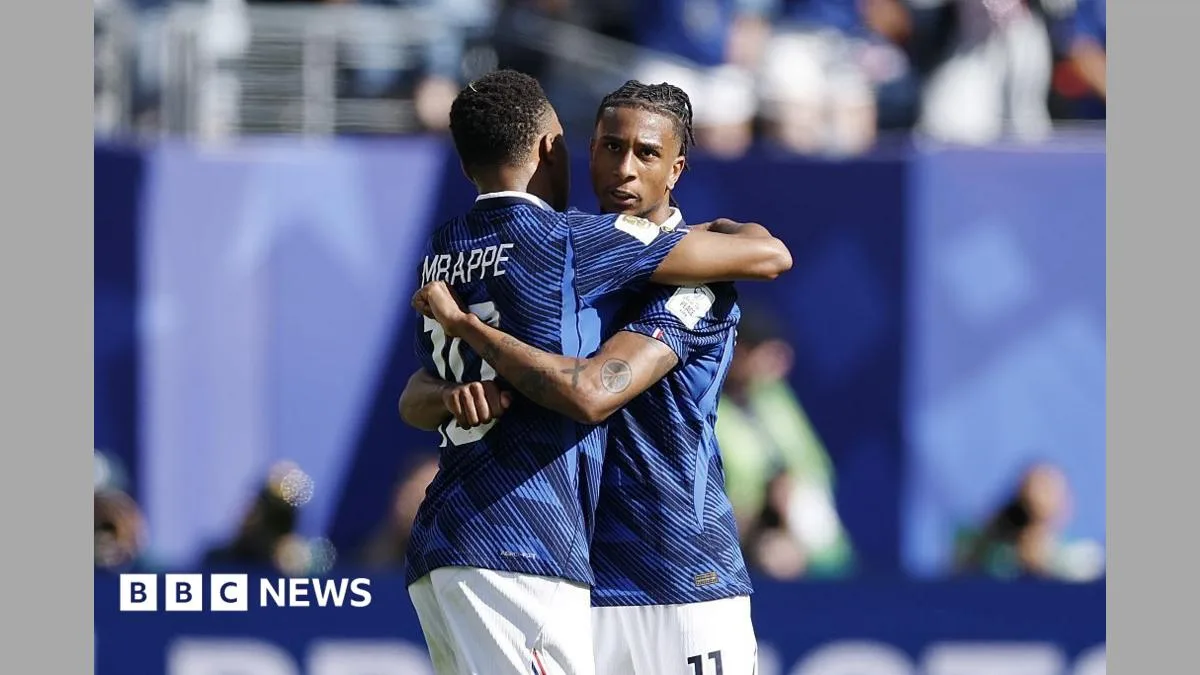
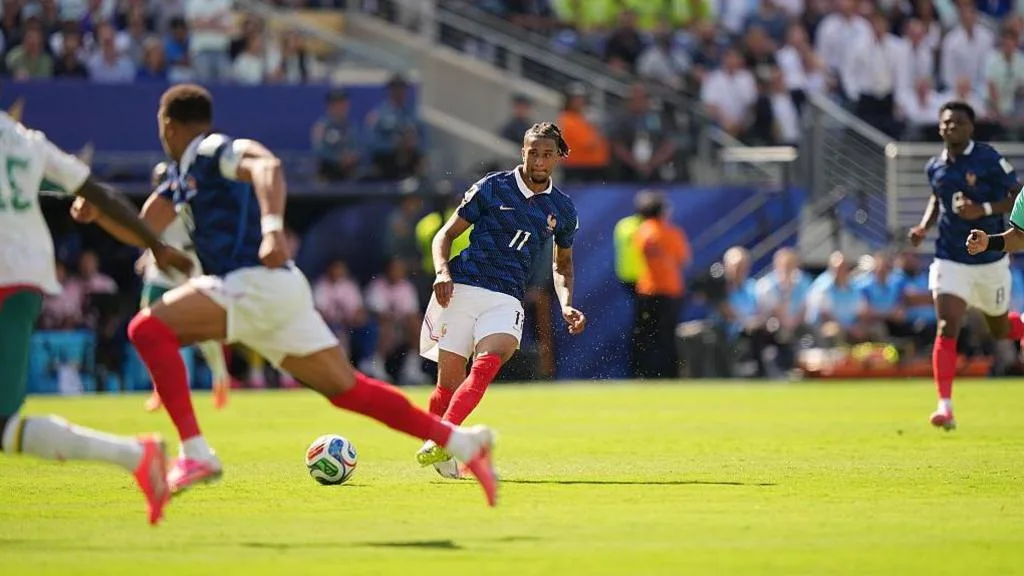
Such choices to represent foreign countries are driven by complex reasons including professional opportunity, family ties, and personal emotions. Senegal’s French-born forward Ibrahim Mbaye, who switched allegiance from France to Senegal in 2025, called his decision "heartfelt" and scored against his birth nation in a 3-1 defeat on June 16 [1, 2, 3].
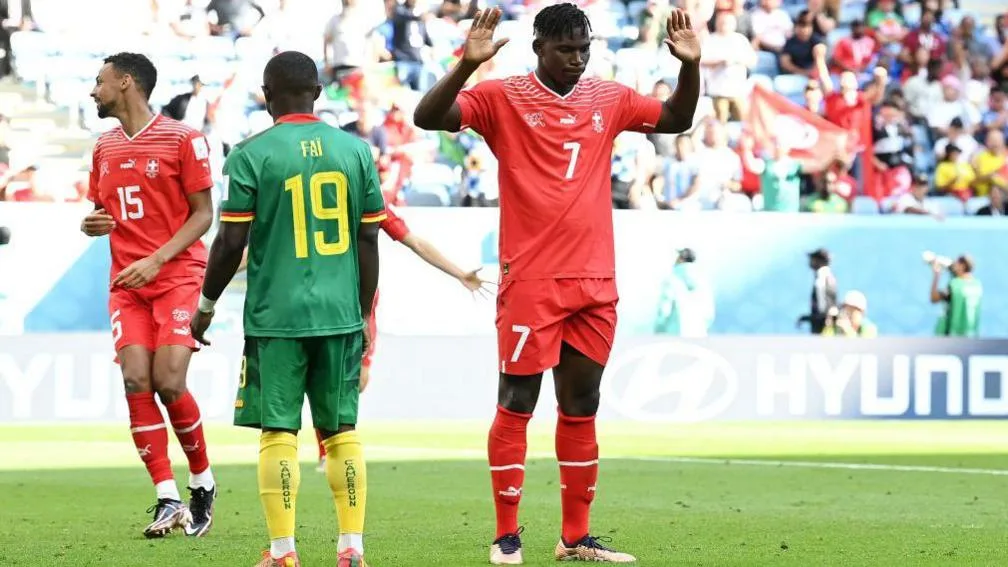
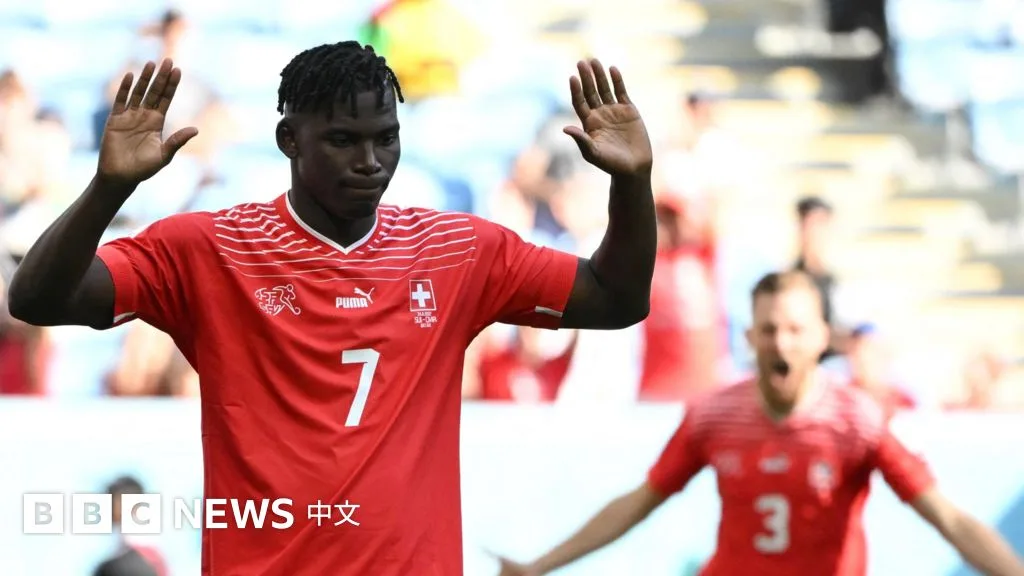
Oxford University’s COMPAS research shows foreign-born share in World Cup squads fluctuated between 2% and 14% over past decades but jumped to 16.5% in Qatar 2022 and is projected to exceed 23% in 2026 [2, 3]. Switzerland’s Cameroonian-born Breel Embolo was the first player to score against his birth country at a World Cup in 2022 [1, 2, 3].
The next 2026 World Cup matches will continue to showcase this evolving diversity in international squads as teams compete for the title.