The 2026 FIFA World Cup began on June 11 at Estadio Azteca in Mexico City, marking the first stadium to host three World Cup opening matches [1, 2, 3]. It is the largest tournament in history by number of teams, matches, and geographic scope, featuring 48 teams and 104 matches hosted across the United States, Mexico, and Canada [1, 2, 4, 3]. Approximately 75% of matches are held in the US, many in American football stadiums, affecting atmosphere and pricing [1, 4, 3].
The tournament is also the first World Cup where a host nation, the US, is at war with a participating country, Iran [1, 2, 3]. Due to US-Iran geopolitical tensions, Iran relocated its training base from Arizona to Mexico in May 2026, according to FIFA [1, 2, 3]. Iran's participation has faced visa restrictions for staff, bans on pre-revolution flag displays, and limits on fan tickets [2, 3]. Travel bans and visa hurdles for fans and officials from Muslim-majority countries remain a concern, rooted in US immigration policies under former President Donald Trump [2, 3]. Human rights groups criticized the event for risking participants' safety amid heavy immigration enforcement and described it as an attempt at 'sportswashing' [2, 3].
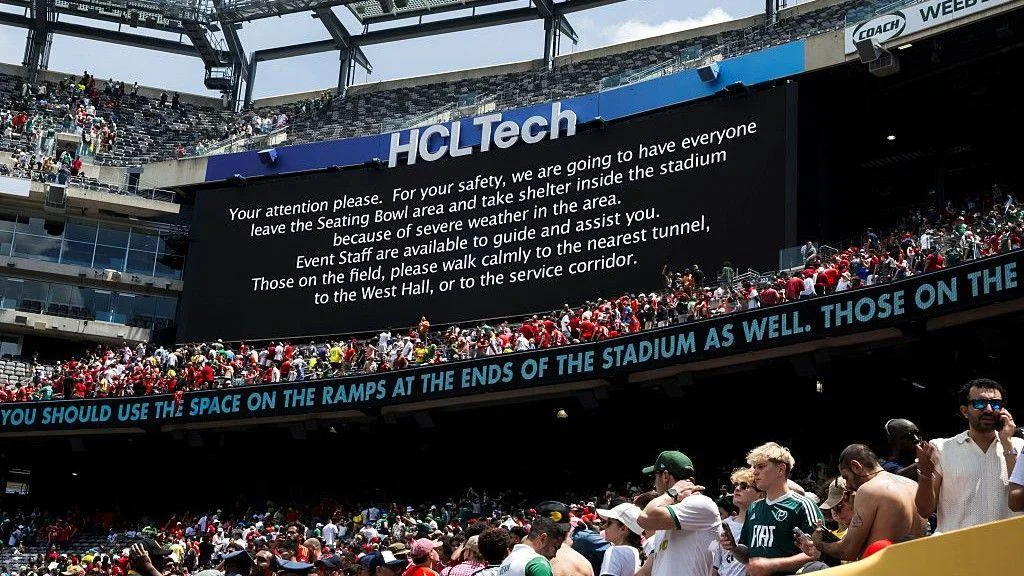
Security risks also include cartel violence in Mexico and ongoing protests that might disrupt matches [1, 3]. These political and security tensions have made the World Cup highly politicized [2, 3].
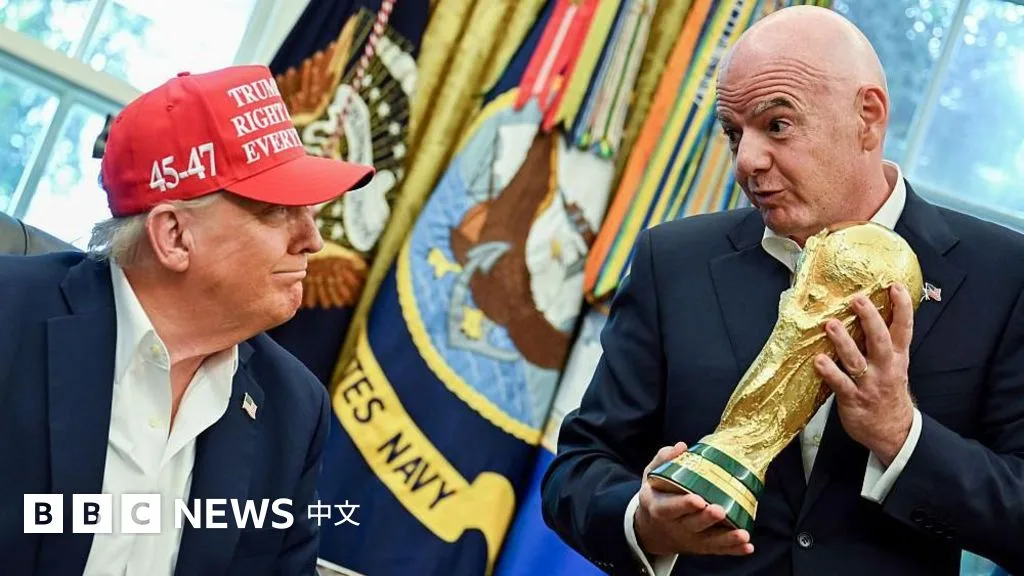
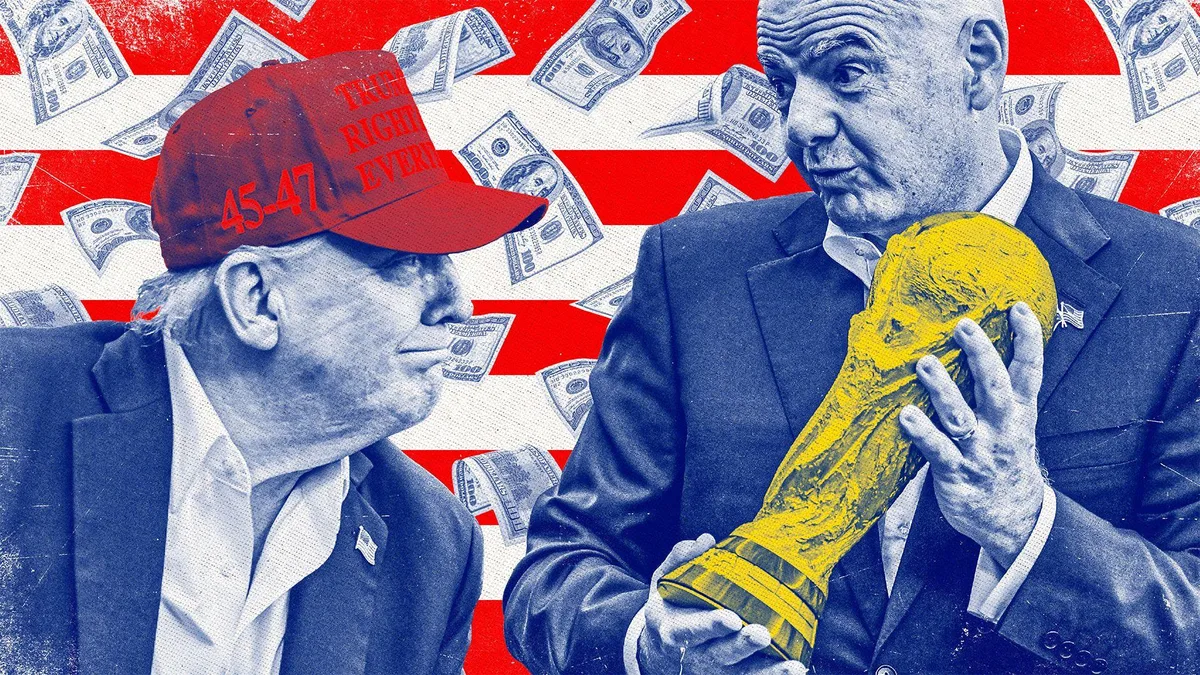
The event is also the most expensive World Cup to attend. Final match tickets reached five-figure sums while popular group stage games cost about $1,000, and less popular matches still run into several hundred dollars [4]. Ticket prices use dynamic pricing, similar to American football, fluctuating based on demand [4]. FIFA expects over $7 billion in revenue from the tournament, a nearly sevenfold increase over the $929 million earned in 2022 [4]. However, host cities receive fixed rental fees, limiting their share of income while bearing large expenses [4].
Tax complications affect players and officials earning income across multiple countries and US states, adding financial complexity [5]. Craig Foster criticized the event, saying many players, fans, and officials cannot fully participate or even enter the US safely, calling the situation "shameful" given football's past human rights efforts [2]. FIFA President Gianni Infantino described it as "simply the greatest event that humanity, that mankind, has ever seen" [1]. Scottish manager Jock Stein’s words echo today: "Without fans, football is nothing" [4].