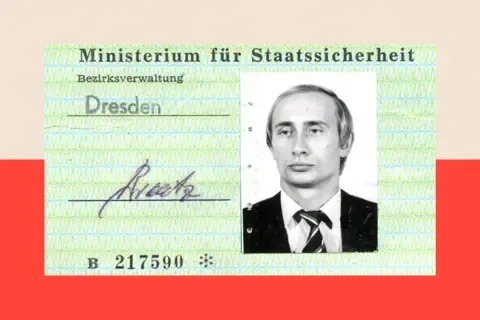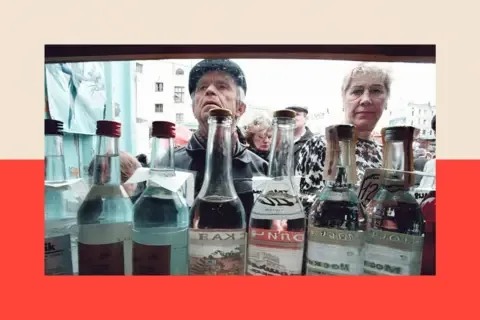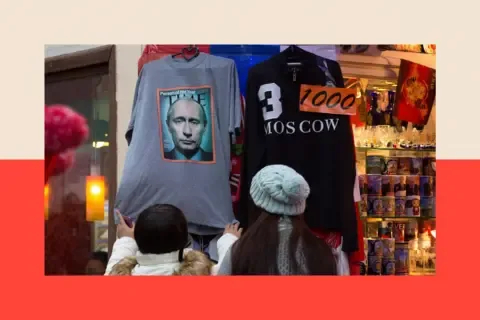
Vladimir Putin has deliberately crafted his public image throughout his presidency to consolidate power and influence perception domestically and abroad [1, 2, 3]. Since becoming acting president in 1999, he and his PR team focused on creating a strong presidential persona that contrasted sharply with his predecessor Boris Yeltsin's public drunkenness [1, 2, 3].
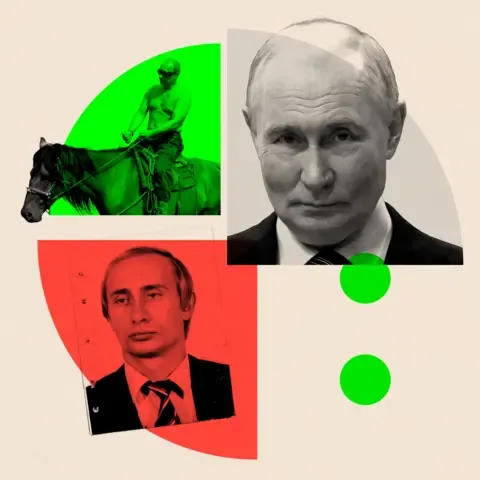
Putin cultivated a near teetotal image, often drinking only tea with honey at official events, while suppressing any public instances showing him drinking alcohol [1, 2, 3]. His early appearances showed a wary, reticent man, but over time he embraced various roles, including appearing as a tsar-like figure or mafia boss in a notable 2007 Time magazine photo shoot [2, 3]. Photographer Platon recalled, "He was showing me power" during that session [2].
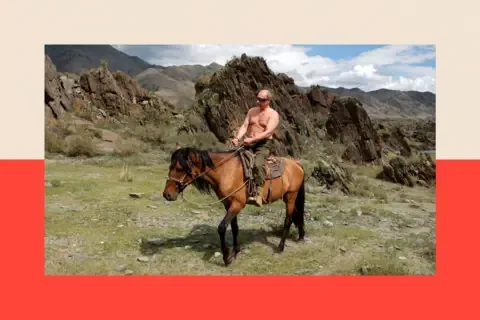
Starting in 2007, Putin released iconic photos of himself shirtless horseback riding, fishing, swimming, and interacting with animals. These images portrayed a robust, hands-on leader and became widely recognized symbols of his strength and vitality [2, 3]. Political analyst Peter Pomerantsev noted the imagery is used "with both irony and traditional hard-man symbolism," appealing to different audiences as either kitsch or a message that Russia should be led by a tough leader [1, 2, 3].
Putin's PR team carefully removes elements seen as unhelpful, emphasizing themes of loyalty, order, and strength, while limiting criticism and opposition [2, 3]. His public stunts, such as diving to the Black Sea floor or flying alongside endangered cranes, aim to show environmental and scientific awareness; however, some critics view these acts as bordering on self-parody [2, 3].
In 2001, during his first televised interview, Putin's aides even removed water glasses to avoid any impression he might be drinking vodka on live TV, reflecting tight media control [1, 2, 3]. In 2008, when he stepped down as president to become prime minister, he continued to use imagery to emphasize that he retained real power over then-President Dmitry Medvedev [3].
Peter Pomerantsev said, "Everybody in Russia, but especially Putin, realised that TV was the key to the consolidation of power" [1]. Another expert described Putin as a trendsetter who shaped the image of the 21st century's first populist and revered strongman leader [2].
Putin’s deliberate use of visual media remains a central element of his leadership style as of 2026, with ongoing management of his public appearances and photographs to reinforce his control.