Fans from more than 25% of the countries participating in the 2026 World Cup in the US face travel bans, visa restrictions, or very high visa rejection rates, complicating their plans to attend matches in cities like Boston and Philadelphia [1, 2, 3]. Iraq qualified for the tournament in March 2026, and Iraqi fan Abdulla Adnan purchased tickets hoping to see games in the US. However, after the US suspended routine consular services in Iraq due to the US-Israel war with Iran, Iraqi fans like Adnan must travel abroad for visa interviews [1, 2, 3]. Adnan traveled to Jordan for his US visa interview but was denied because he is not a Jordanian citizen despite spending about $1,800 on travel and tickets. He said, “To go to a match, a stadium, a crowd, cheering, and see my team - that is worth the world to me. It's a feeling that no other feeling can compare to” [1, 2, 3].
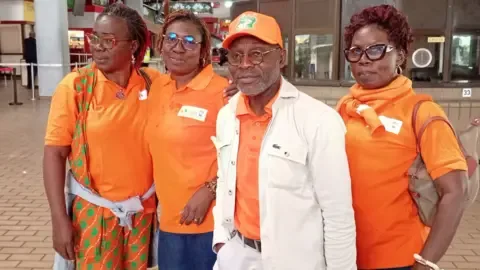
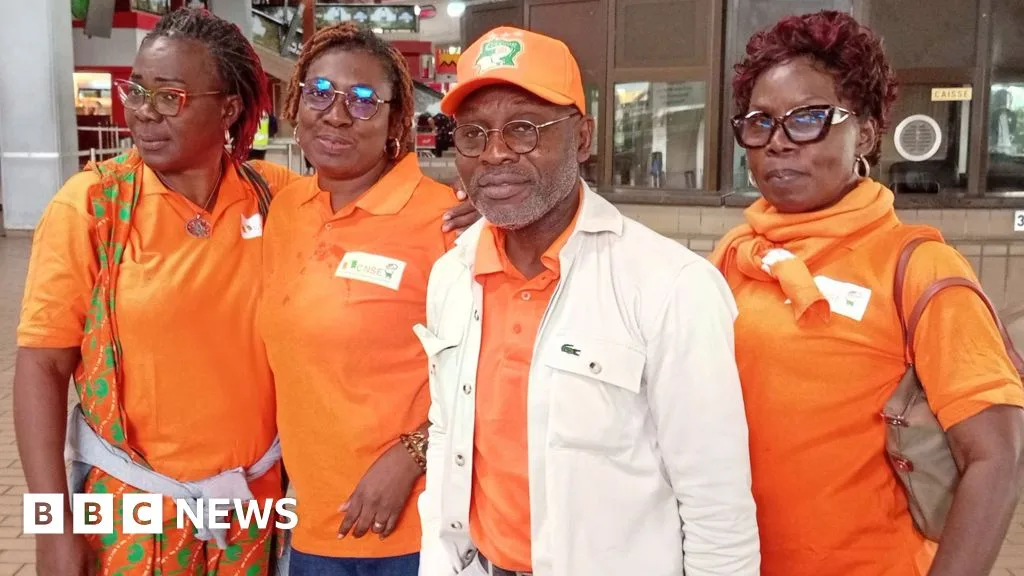
Trump-era travel bans still formally bar or restrict citizens from four World Cup countries: Haiti, Iran, Senegal, and Ivory Coast. The National Committee for the Support of the Elephants, an Ivorian fan group, called US policies “a form of segregation and exclusion” and questioned why African countries face harsher restrictions than Europe [2, 3]. Currently, 42 wealthier countries benefit from the US visa waiver program through ESTA, but no African countries are included. Fans needing visas pay $185, attend interviews, and must prove intent to leave the US and financial means [2, 3].
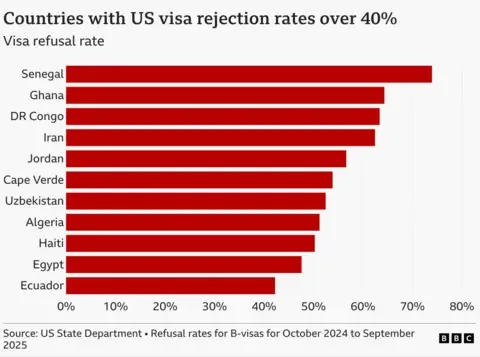
Data from the US State Department shows that 11 of the 48 World Cup countries had visa rejection rates exceeding 40% between October 2024 and September 2025. These countries include Ecuador, Egypt, Haiti, Algeria, Uzbekistan, Cape Verde, Jordan, Iran, DR Congo, Ghana, and Senegal. Jordan’s rejection rate is especially high at 57%, with local fan associations reporting only one approved visa holder in the year up to September 2025 [2, 3]. Abu Kass, head of a local fan association in Jordan, said, “This World Cup is not for us, it’s not the Arabs’ World Cup, it is for them. If even the fan association officials are rejected, who will be approved?” [2].
The FIFA Pass system allows ticket holders to get priority visa interview appointments but does not improve chances of visa approval. Even fans who get visas are not guaranteed entry to the US due to Customs and Border Protection authority [2, 3].
Concerns about immigration enforcement have extended to event workers and local communities. Over 2,000 workers at Los Angeles’ SoFi Stadium authorized a strike on June 5 unless Immigration and Customs Enforcement (ICE) guarantees no deportations during the World Cup. Department of Homeland Security Secretary Markwayne Mullin confirmed ICE will have security duties during the tournament but did not rule out arrests of criminal suspects at venues. He said, “ICE will be there during the World Cup, a huge operation like 38 days and 78 Super Bowls” [4, 5, 6, 7].
World Cup matches are held in 11 US cities with large immigrant populations that worry about ICE enforcement during the event. A mid-May 2026 poll found 65% of Americans oppose ICE presence at sports stadiums during the World Cup [4, 5, 6, 7]. Rich André, a local labor leader, urged accommodations for fans and workers, saying exclusion of those coming to support their teams “loses some of the meaning” of the international event [4].
The US reduced some visa hurdles in May 2026 by canceling a $15,000 bond requirement for certain African World Cup countries if fans hold valid tickets. Senegal and Ivory Coast fans had to secure visas before December 2025 to benefit from this change [2, 3].
The US men's national team will open the event on June 12 in Los Angeles, where ICE presence is expected, raising tensions as fans and workers await further assurances about immigration enforcement during the tournament [4, 5, 6, 7].