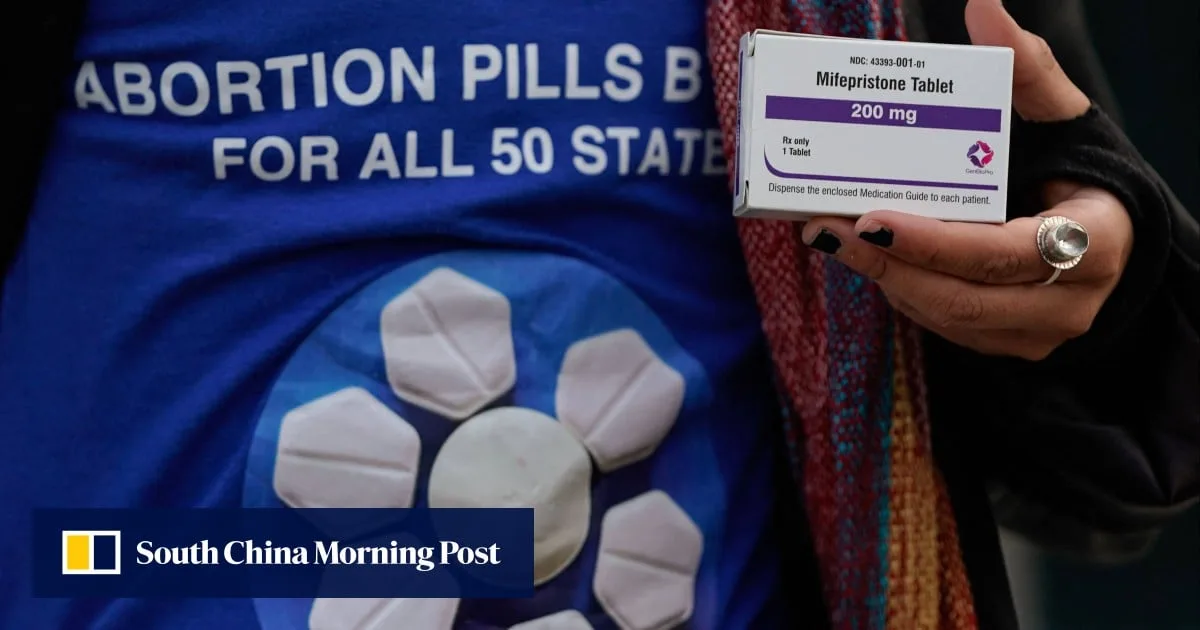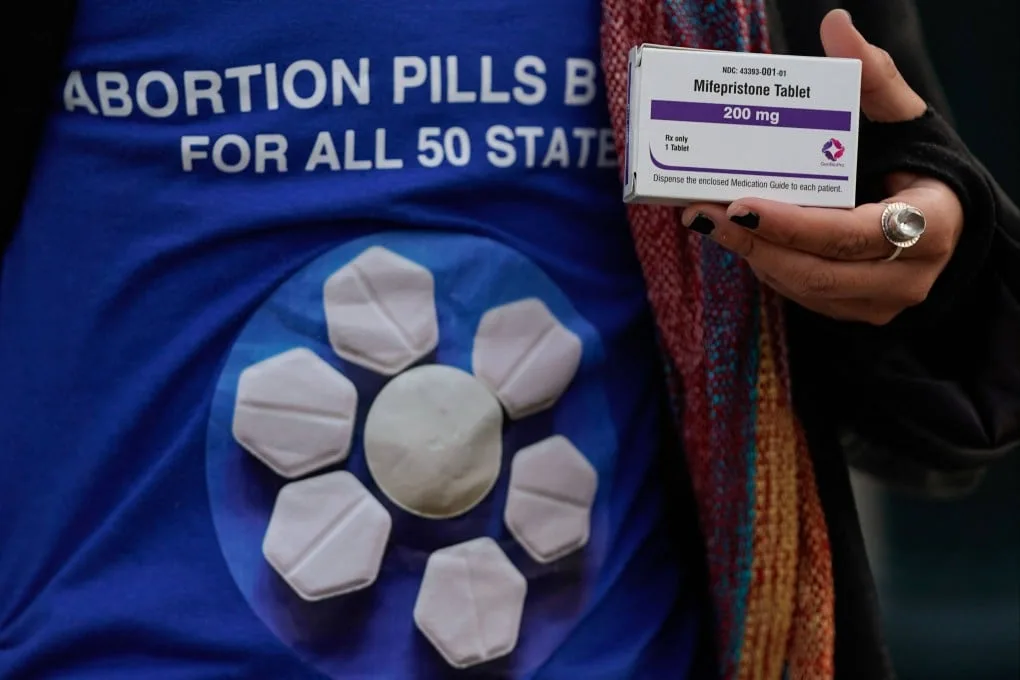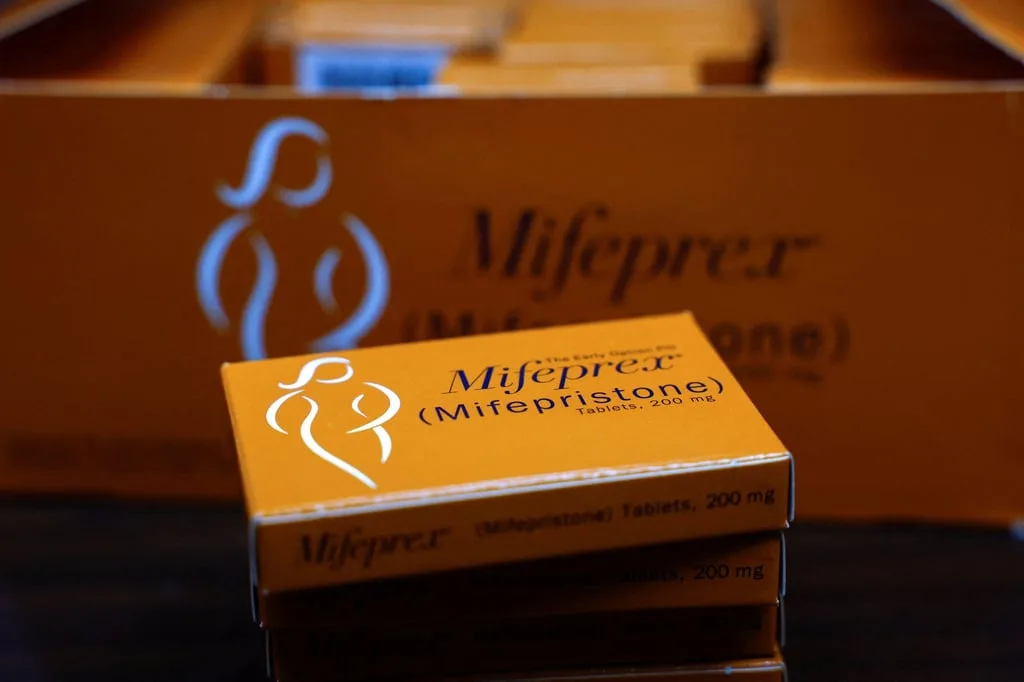
The US Supreme Court restored broad access to the abortion pill mifepristone on Monday, temporarily allowing women to obtain it at pharmacies or by mail without an in-person doctor visit [1]. The decision reverses recent federal appeals court restrictions that required abortion pills to be obtained in person [2, 1].
The case arose from a lawsuit filed by Louisiana seeking to tighten access to mifepristone, the first drug in a two-pill regimen commonly used to end pregnancy [2, 1]. Mifepristone is widely available in states where abortion is legal and had its access expanded by the Food and Drug Administration (FDA) in 2023, when the agency permanently lifted the in-person dispensing rule, allowing mail delivery and remote prescribing [2].
Earlier, during the COVID-19 pandemic in April 2021, the FDA temporarily waived the in-person dispensing requirement for mifepristone [2]. In 2024, the Supreme Court unanimously rejected a separate effort to restrict access to the drug, underscoring its consistent role in preserving availability [2].
Last week, a federal appeals court imposed new restrictions requiring women to obtain abortion pills in person, a ruling that was temporarily reinstated by the Fifth Circuit on Friday [2, 1]. Danco Laboratories, the drug’s manufacturer, sought emergency relief from the Supreme Court, citing the "chaos for patients, providers, pharmacies, and the drug-regulatory system" as irreparable harm [2]. According to Danco, these appeals court restrictions disrupted access nationwide and required urgent Supreme Court intervention [2].
The Supreme Court’s Monday action restored broader access until the case is resolved, preventing enforcement of the in-person rule [1]. The ruling enables women in affected states to continue obtaining mifepristone without visiting a doctor physically, allowing pharmaceutical dispensing and mail delivery [1].
Mifepristone remains the critical first step in a two-pill abortion regimen used widely across the US where abortion is permitted [2, 1]. The FDA’s move to permanently allow remote access reflected data supporting safety and effectiveness without in-person visits [2].
The Supreme Court’s decision sets a pause on the restrictions while litigation continues. An ongoing review of the case is expected but no immediate further deadlines have been announced [2, 1].