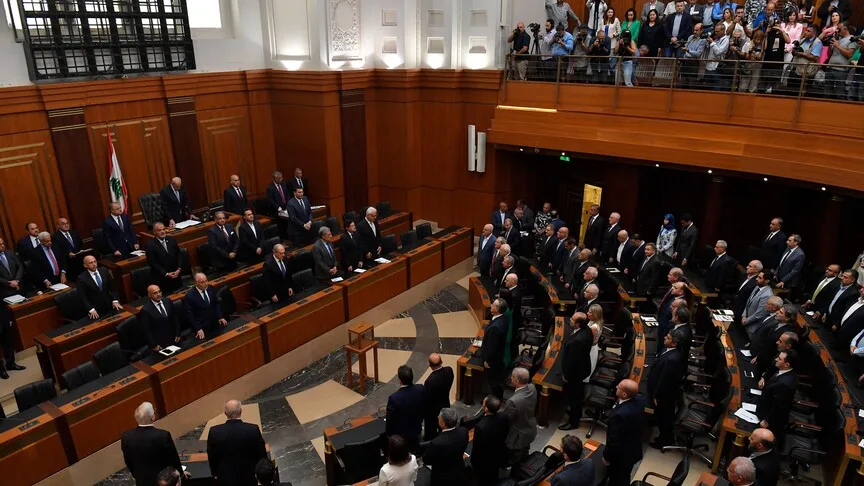
The US Treasury Department imposed sanctions on nine individuals alleged to support Hezbollah’s efforts to weaken Lebanon's sovereignty, the department announced on May 21, 2026 [1]. The list includes Hezbollah parliament members Ibrahim al-Moussawi, Hussein Al-Hajj Hassan, and others, as well as former minister Mohammed Fneish according to some sources, while others list Mohamed Abdel-Mottaleb Fanich and Hassan Fadlallah among those sanctioned [1, 2].
Lebanese security officials Samir Hamadi and Khattar Nasser Eldin were also targeted for allegedly sharing intelligence with Hezbollah [1, 2]. Iranian ambassador-designate to Lebanon Mohammad Reza Sheibani was among those sanctioned as well [1].
The US offered up to $10 million for information to disrupt Hezbollah's financial networks, highlighting a financial crackdown alongside the sanctions [1]. State Department spokesperson Tommy Pigott said, "If you’re in politics, business, or the security services—and you have been aiding Hezbollah and undermining the sovereignty of the Lebanese government—to think twice; there will be real consequences" [1].
Hezbollah condemned the sanctions as political intimidation, calling them "a badge of honour" and claiming they aim to bolster Israel after its failures in Lebanon [1, 2]. "The measures represent an attempt to intimidate the free Lebanese people and support Israeli actions against the country," Hezbollah said [2].
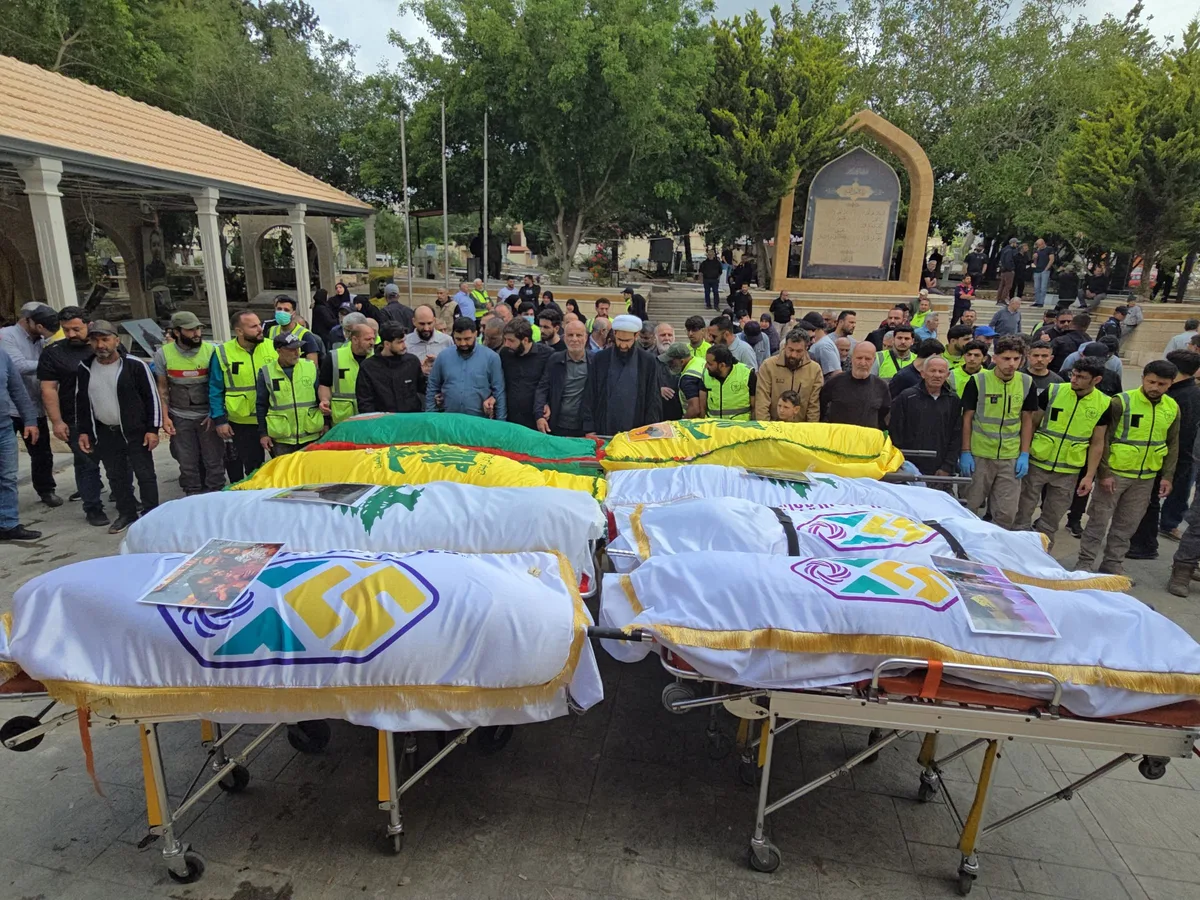
The Amal Movement described the sanctions as "unacceptable and unjustified" [2]. This US action follows an Israeli offensive in Lebanon since March 2, 2026, which Lebanese officials say has caused over 3,000 deaths and displaced more than 1.6 million people [2]. A US-mediated ceasefire ended hostilities on April 17, 2026 [2].
Hezbollah publicly condemned the sanctions the day after they were announced [2]. The US Treasury signaled continued pressure on individuals seen as enabling Hezbollah ahead of political and security developments in Lebanon.
The sanctions are the latest in US efforts to isolate Hezbollah politically and financially. Further announcements on enforcement and intelligence cooperation are expected in coming weeks.