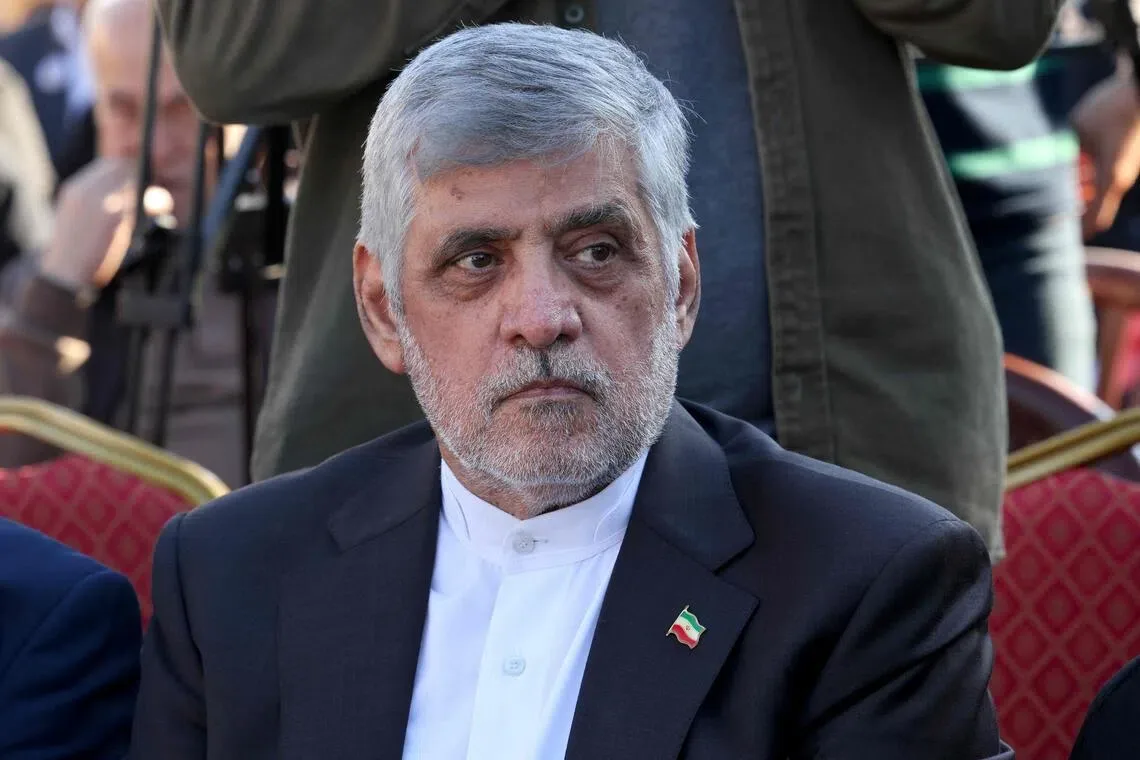
On May 21, the US Treasury Department imposed sanctions on Mohammad Reza Sheibani, Iran’s designated ambassador to Lebanon, along with nine Lebanese political, military, and security officials linked to Hezbollah, accusing them of undermining Lebanon’s sovereignty and obstructing peace efforts [1, 2]. The Lebanese individuals targeted include Hezbollah lawmakers Ibrahim al-Moussawi, Hussein Al-Hajj Hassan, Hassan Fadlallah, former minister Mohammed Fneish, and security officials accused of sharing intelligence with Hezbollah [2].
Iran’s Foreign Ministry strongly condemned the sanctions as "illegal and unjustified," calling them "another example of the lawlessness and disregard of the US ruling establishment for fundamental principles of international law and the United Nations Charter," particularly the principle of respecting national sovereignty [1, 2]. The ministry said the measures were meant to "undermine Lebanon’s national sovereignty and sow discord within Lebanese society" [1].
Lebanon declared Sheibani persona non grata and ordered him to leave the country in March, though it is unknown if he has departed from Beirut [1].
The sanctions come amid ongoing regional tensions. On March 2, Hezbollah began striking Israel in response to US and Israeli attacks on Iran launched on February 28, pulling Lebanon into the broader conflict [1, 2]. Israel’s offensive in Lebanon since then has killed over 3,000 people, wounded more than 9,300, and displaced about 1.6 million residents [2].
A ceasefire has been in place since early April, though sources differ on the exact date: April 8 according to one, and April 17 according to another [1, 2]. Negotiations to formally end the conflict have stalled.
The sanctions signal continued US efforts to pressure Hezbollah and Iranian influence in Lebanon as the humanitarian crisis persists. The ceasefire is currently extended until early July [2].