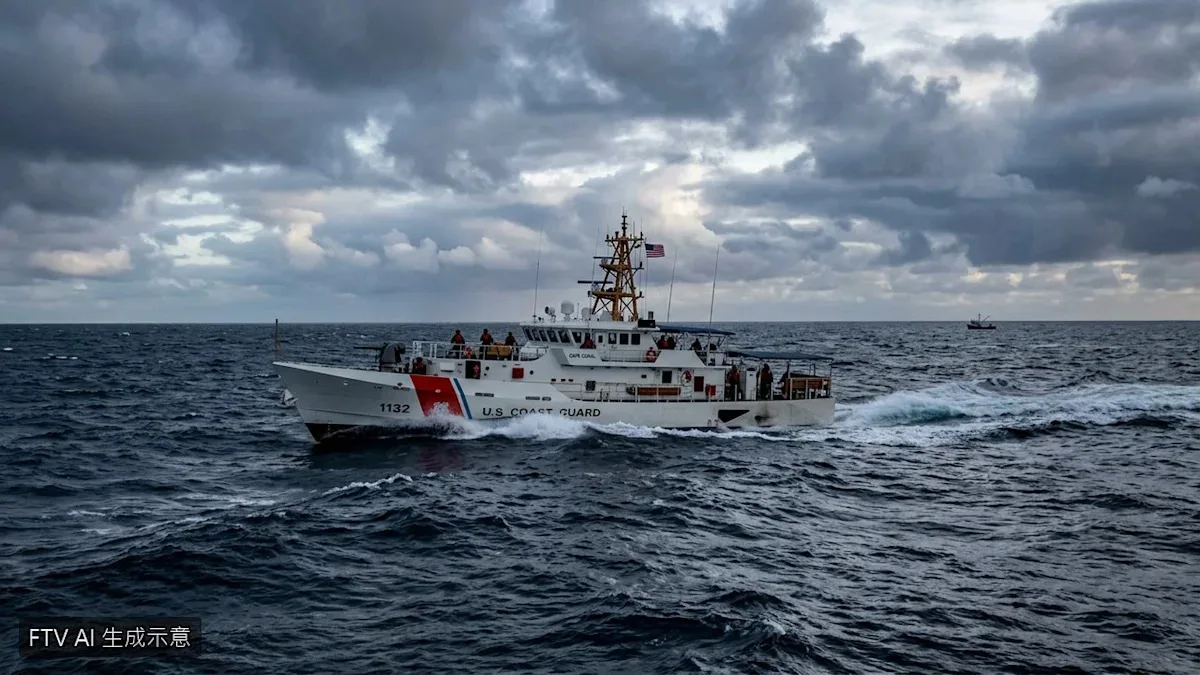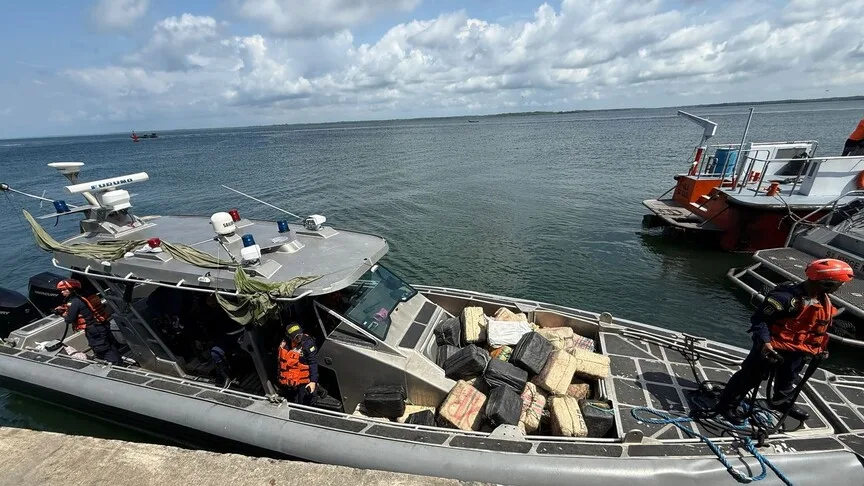
The US military carried out a strike on a boat suspected of drug trafficking in the Eastern Pacific Ocean on June 16, killing one and capturing two survivors, according to US Southern Command statements [1, 2, 3].
The targeted vessel was identified through intelligence as transiting known narcotrafficking routes and engaging in drug trafficking operations, US Southern Command said. "Intelligence confirmed the vessel was transiting along known narco-trafficking routes in the Eastern Pacific and was engaged in narco-trafficking operations," the command stated [1].
The operation was conducted by Joint Task Force Southern Spear under the direction of SOUTHCOM Commander Gen. Francis L. Donovan [2]. One suspected "narco-terrorist" male was killed during the strike. Two male survivors were taken from the vessel, all without harm to US personnel [1, 2, 3]. Video footage released showed the boat being struck and catching fire [1, 2].
Since September, the US military has intensified operations against narcoterrorists in Latin America, a campaign initiated under the Trump administration. At least 208 deaths have resulted from US military boat strikes during this period [1].
The strike sparked criticism from human rights groups, who called it an "extrajudicial killing" that bypassed judicial process. US officials defended the action, calling the targets legitimate threats to national security known as "narco-terrorists" [3]. These differing views have renewed questions about the legality and justification of US strikes in international waters [1, 3].
The US military continues its crackdown on suspected drug traffickers in the Eastern Pacific region amid ongoing efforts to disrupt narcotics smuggling routes.