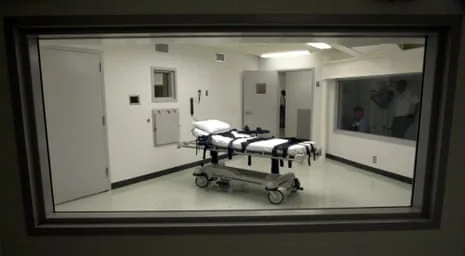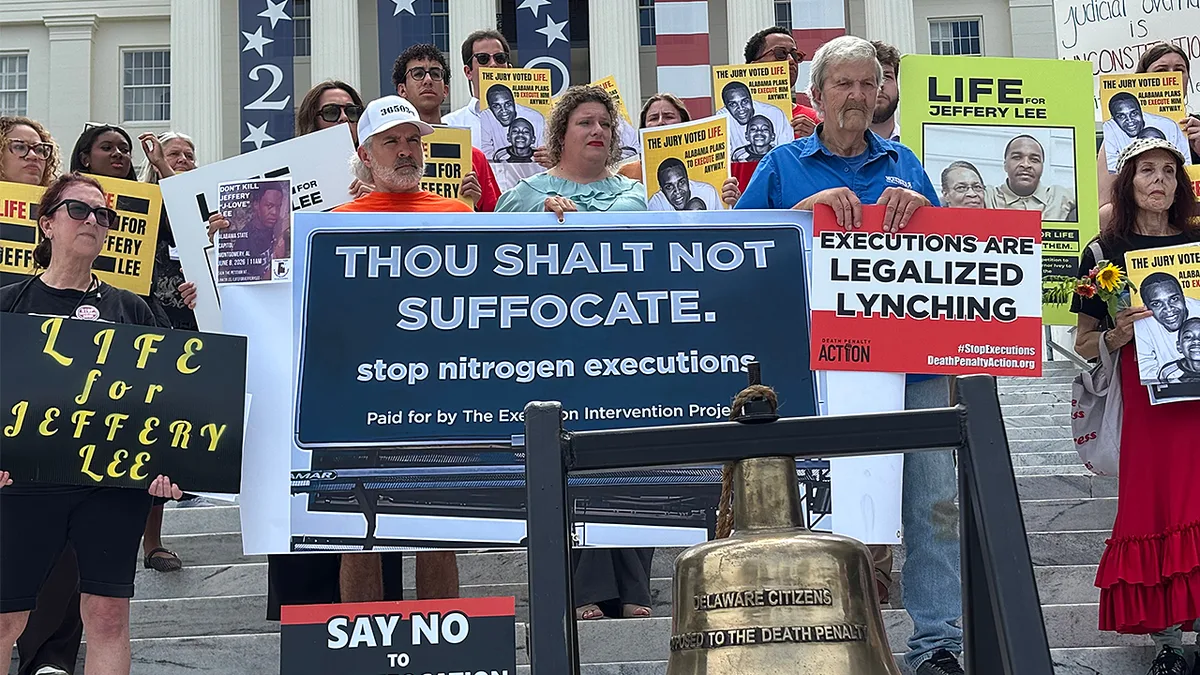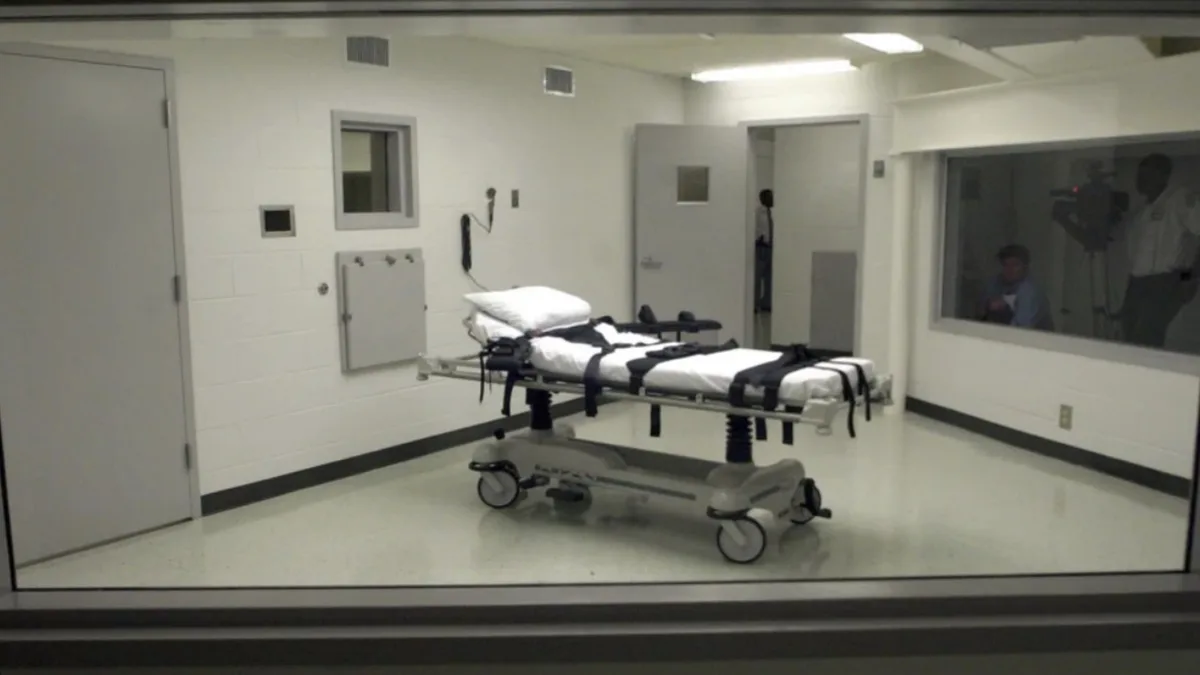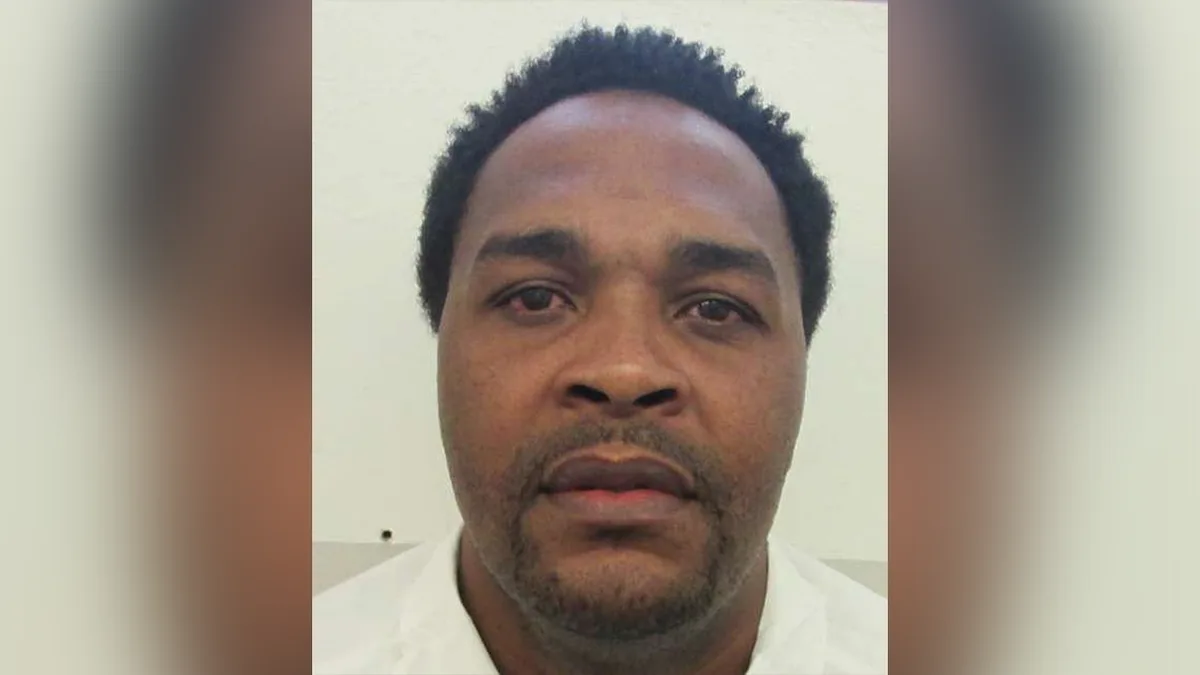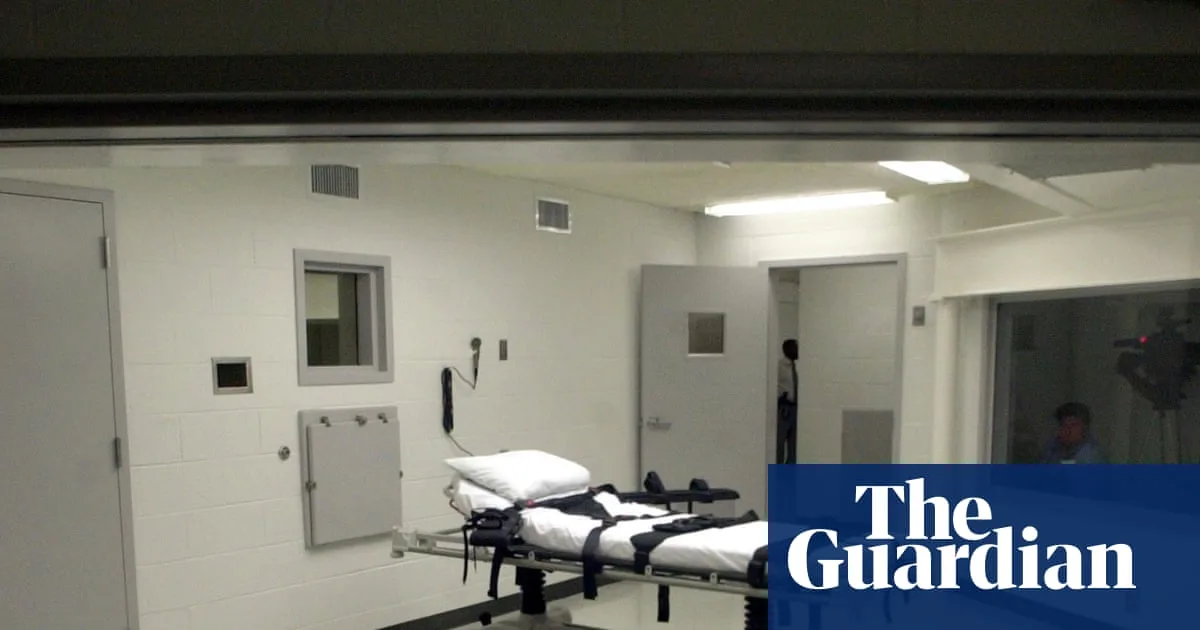
Federal Judge Emily C. Marks permanently blocked Alabama from executing 49-year-old Jeffery Lee by nitrogen gas, ruling it violates the constitutional ban on cruel and unusual punishment under the Eighth Amendment [1, 2, 3]. The execution, scheduled for June 11, 2026, was halted days before it could take place [1, 2, 3].
The US Supreme Court upheld the injunction on June 12, 2026, leaving in place the lower court's order blocking the nitrogen hypoxia method [4]. This marked another legal setback for Alabama, which has conducted seven executions using nitrogen gas since adopting it in 2024 due to difficulties obtaining lethal injection drugs [4, 3].
The appeals court found that the nitrogen hypoxia method carries a substantial risk of severe pain caused by "air hunger"—a sensation of suffocation—which Judge Marks agreed constituted cruel and unusual punishment [1, 4, 3]. Marks stated, "Lee has shown by a preponderance of the evidence that the protocol constitutes cruel and unusual punishment in violation of the Eighth Amendment" [3]. She also noted Alabama still has lethal injection and the electric chair as authorized execution methods and that Lee is not entitled to block those [1, 2, 3].
Lee requested to be executed by firing squad as an alternative method, which the Supreme Court order did not prevent Alabama from using later [4, 3]. Marks warned, "Were Alabama to adopt firing squad as a method of execution, that method would likely be challenged as well. Indeed, there is likely no method—no matter how humane—that would be immune to constitutional challenge. But the Constitution does not guarantee a painless death" [1].
Attorney General Steve Marshall's office announced plans to appeal the nitrogen gas ruling to the Supreme Court [1, 2, 3]. Jeffery Lee was convicted of capital murder in the 1998 killing of two people during a pawnshop robbery in Orrville, Alabama [4]. The judicial override process that imposed the death sentence despite a jury recommendation of life was abolished in Alabama in 2017 but is not retroactive to Lee's case [4].
Alabama began using nitrogen gas executions in January 2024, with Kenneth Eugene Smith the first executed by this method [3]. On June 8, 2026, Judge Marks had initially ruled the nitrogen gas execution constitutional, but this was overturned by the appeals court the next day [1, 2, 3]. On June 9, she issued the permanent block on Lee's nitrogen execution [1, 2, 3].
Following the Supreme Court's June 12 block, Alabama Governor Kay Ivey expressed disappointment but said she remains committed to ensuring "justice is ultimately served" for the victims [4].