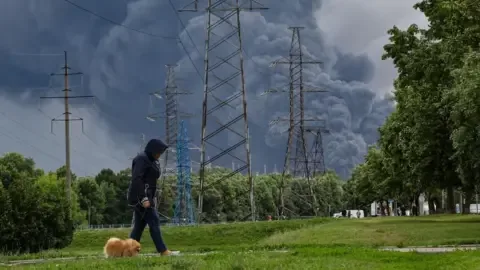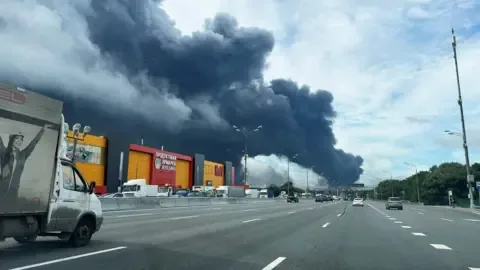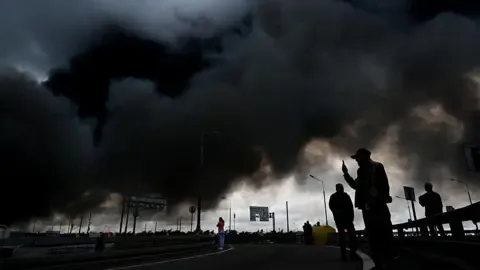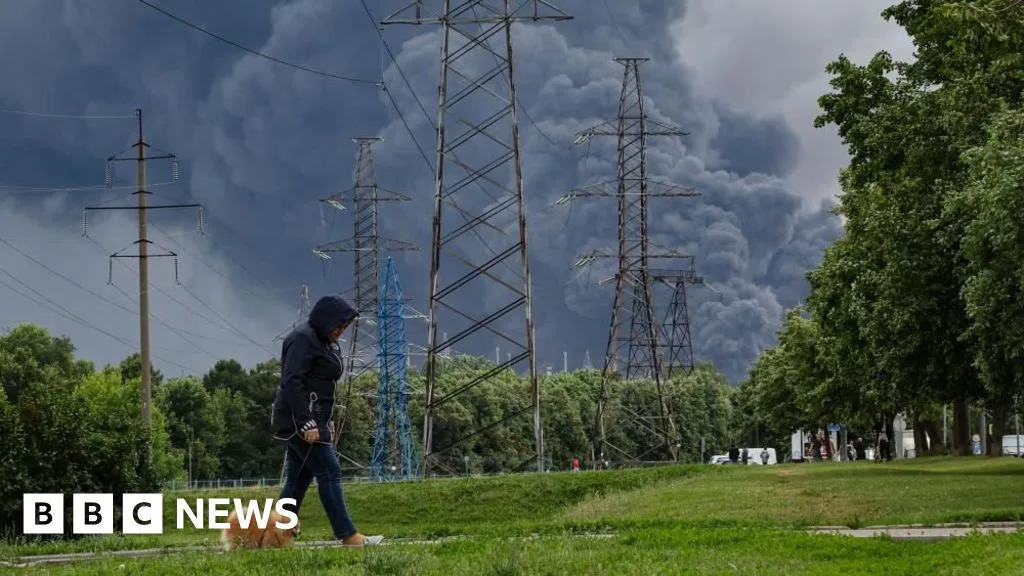
Ukrainian drones struck an oil refinery in southeast Moscow on June 18, causing heavy damage and sending thick smoke over the city skyline, officials said [1, 2, 3]. The attack also hit nearby shopping centers and residential buildings, adding to the destruction [1, 2, 3].
The governor of the Moscow region reported the death of an 8-year-old girl in a fire triggered by one of the strikes [1, 2, 3]. Local residents showed mixed reactions to the attack. Slava, a Moscow resident, said, "I'm not totally surprised by what happened, but I didn't expect such a big attack. I heard explosions and saw lots of smoke. It's the kind of thing you normally see in the movies" [1]. Another resident, Nadezhda, expressed shock, saying, "It took us four years to win World War Two, even though our soldiers had little food and water. Today we have all the resources we need. But this war goes on. I'm shocked" [1].
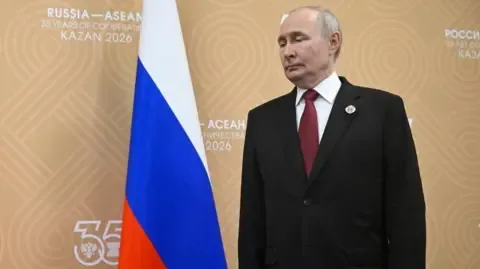
Russian officials condemned the West and NATO, accusing them of prolonging the war, though President Vladimir Putin did not publicly address the drone strike [2, 3]. Pro-Kremlin media emphasized the narrative of Russia's greater military strength and damage inflicted on Ukraine compared to Ukraine's retaliations on Russia [2, 3]. Putin's spokesperson Dmitry Peskov described the strikes showing Russian armed forces' successes as "impressive" and said "these strikes will continue" [2, 3].
Experts say Ukrainian long-range attacks on Russian oil infrastructure are placing greater strain on the Russian economy, with gas shortages and rationing reported in some regions [2, 3]. Local Moscow newspapers predicted the June 18 drone strike is unlikely to be the last attack of its kind on the capital region [2, 3].
The coordinated drone assault stands as one of the largest aerial attacks on Moscow since Russia launched its full-scale invasion of Ukraine [1, 2, 3]. On June 19, Russian newspapers published narratives reinforcing Russia's greater damage inflicted on Ukraine than suffered at home [2, 3].
Residents near the refinery showed varying responses; some carried on daily activities seemingly unfazed, while others voiced shock at the conflict reaching Moscow itself [1, 2, 3]. A local witness said, "We are powerless about this. Our government should decide how to handle it. All we can do is watch this happen" [2].