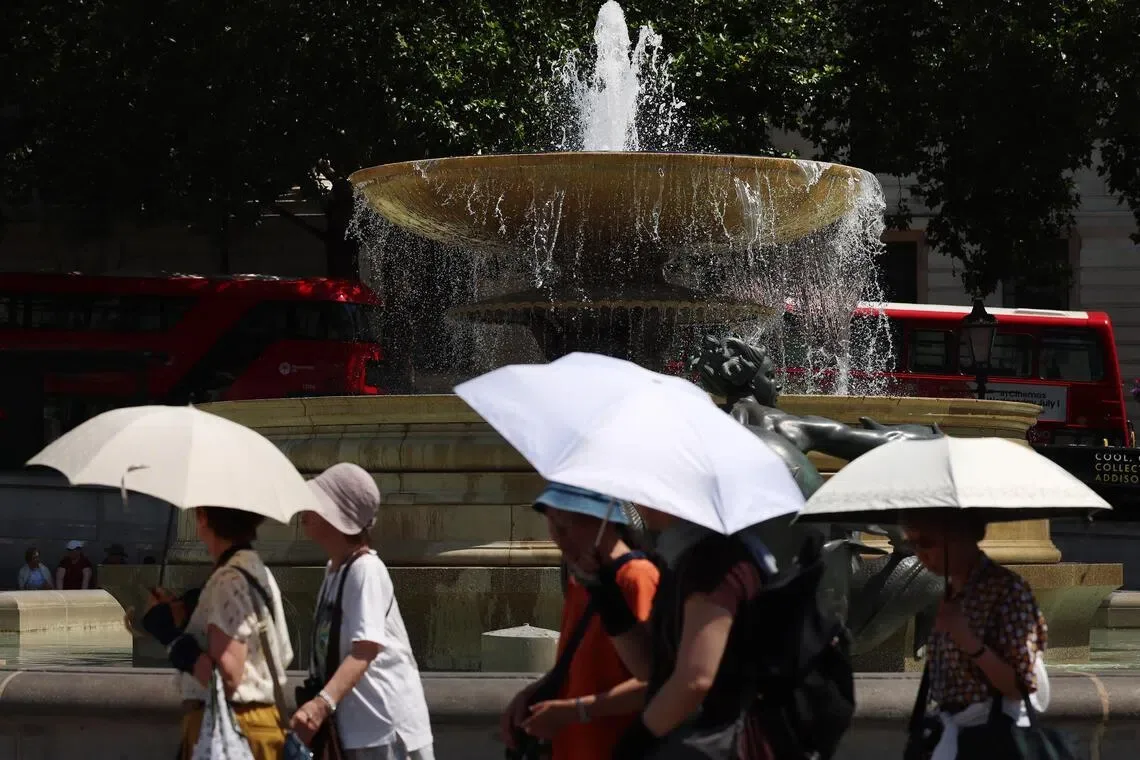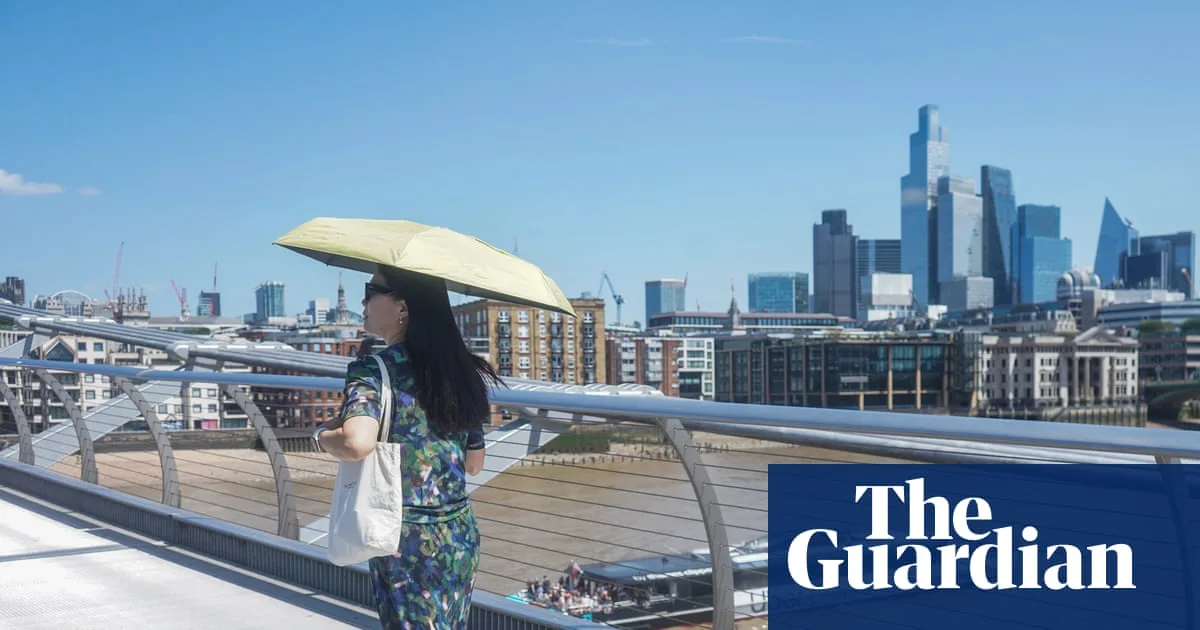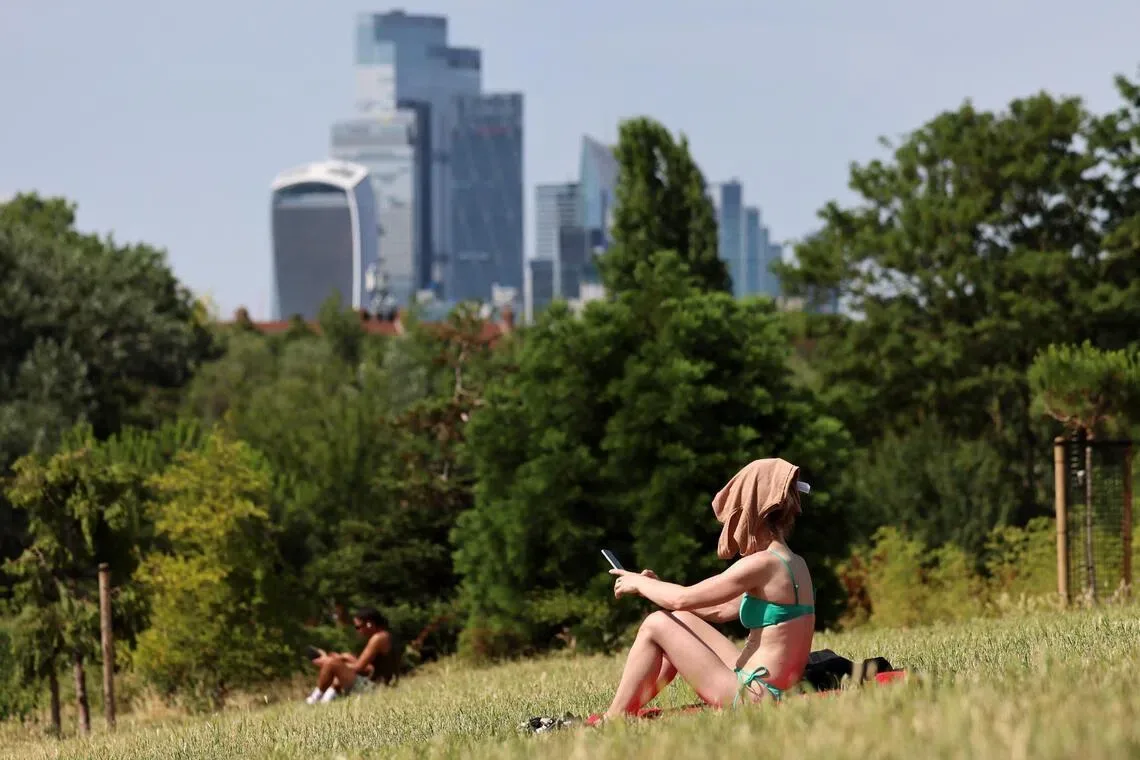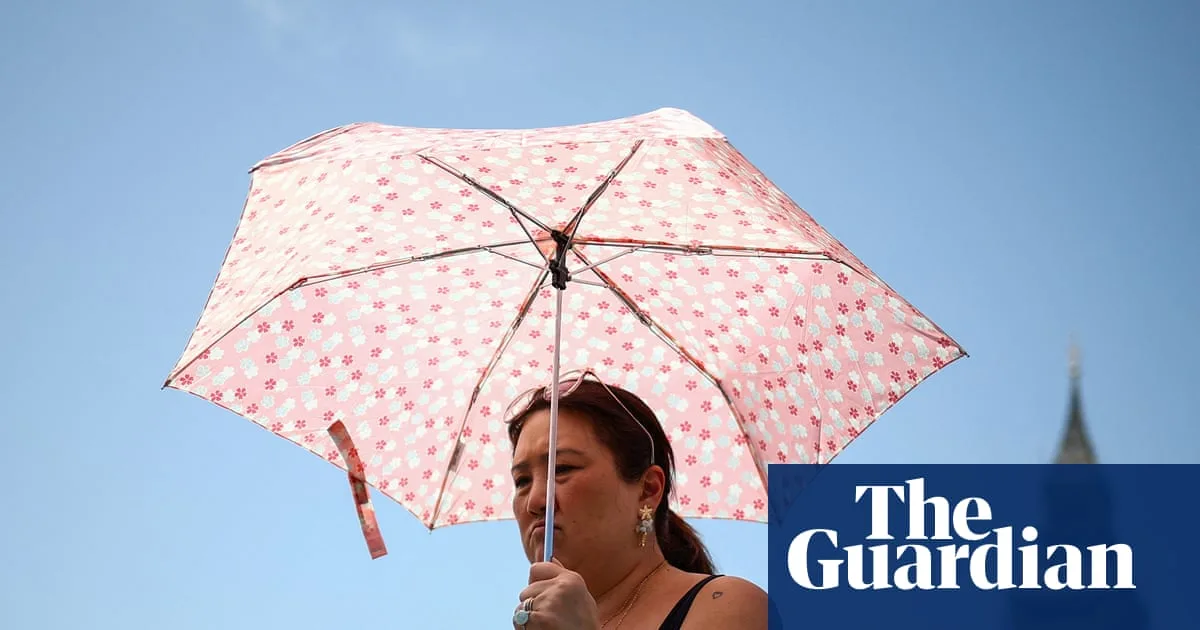
The UK reached its highest ever June temperature on June 24, with readings between 35.7C and 36.1C in southern England, surpassing the previous record of 35.6C set in 1957 and matched in 1976 [1, 2, 3, 4, 5, 6, 7, 8]. The Met Office issued rare red extreme heat warnings covering southern England, parts of Wales, including London, Birmingham, Kent, Sussex, Somerset, Birmingham, and southern Cambridgeshire from June 23 to 25 [2, 3, 9, 4, 5, 10, 6, 7, 8]. Temperatures were expected to peak between 38C and 40C in some areas during that period with very high humidity and tropical nights, aggravating discomfort and health risks [3, 9, 4, 5, 10].
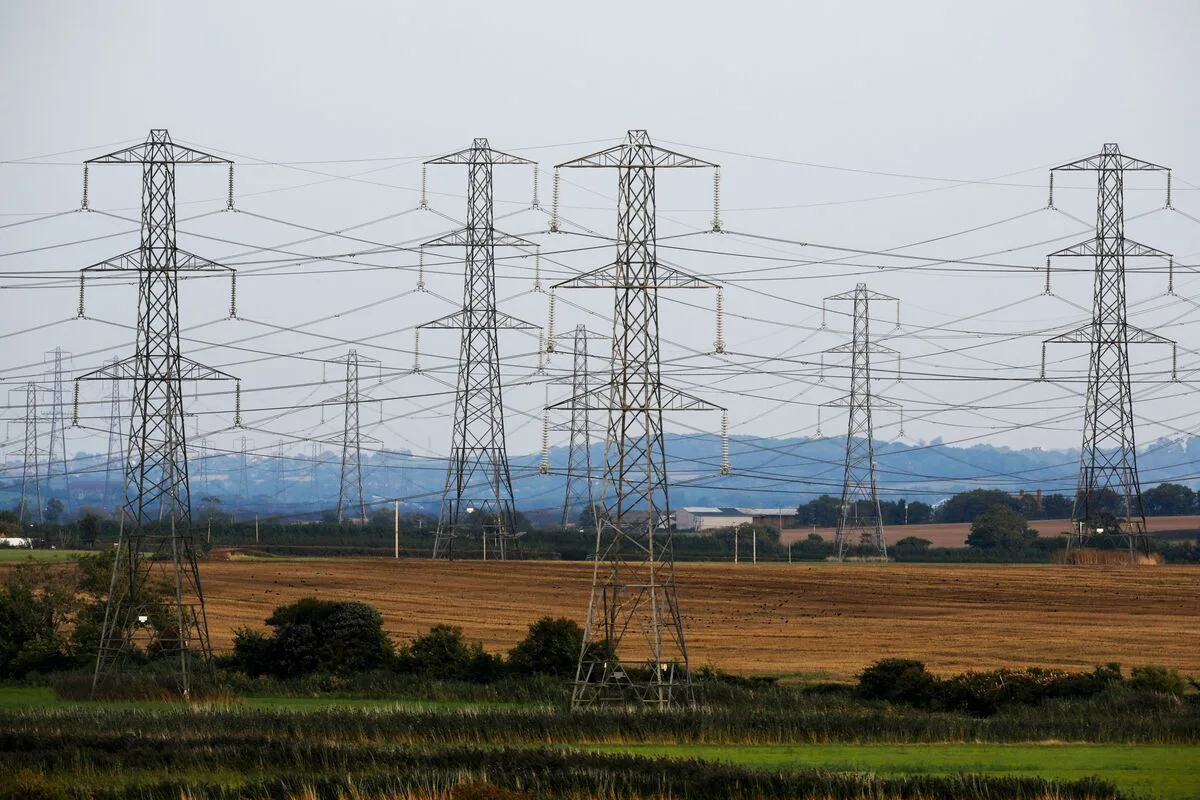
The extreme heat led to widespread social and infrastructure impacts. Hundreds of schools across southern England and Wales closed early or fully, train services were reduced, hospital appointments cancelled, and hosepipe bans introduced to conserve water [4, 5, 10, 7, 8]. The UK’s grid operator issued a rare summer power supply warning for the evening of June 24, requesting an extra 1.9 gigawatts of electricity capacity due to increased demand and low wind power [11, 10]. Major disruptions were reported across transport, energy supply, and health services with concerns about substantial damage to infrastructure [9, 5, 10].
Health warnings were issued by the UK Health Security Agency and Met Office, cautioning about increased risks of deaths, heat stress, and water-related incidents including drowning and cold-water shock. Ross MacLeod, RNLI water safety manager, said, "Cold water shock is a real danger, which we particularly want people to be aware of. The sea or open water may look inviting during hot weather, but it remains cold enough year-round to trigger cold water shock" [1, 2, 3].
Met Office deputy chief forecaster Tom Crabtree said, "The combination of heat and humidity will be oppressive and bring impacts across society from public health and infrastructure, to power and water supplies" [3]. Bill McGuire, UCL professor emeritus, warned that temperatures above 40C could lead to many sleeping outdoors as poorly insulated homes become uninhabitable, widespread power cuts, and transport chaos due to rail and signalling failures [9]. Met Office chief scientist Stephen Belcher noted, "Human induced climate change has made events like this more likely and more intense" [4]. Chief forecaster Matthew Lehnert added, "High humidity is an additional factor for this heatwave, which will mean the heat will feel much more potent for many" [6]. WHO Director General Tedros Adhanom Ghebreyesus said, "Temperatures across Europe are rising at roughly twice the global average rate, increasing the likelihood and severity of extreme heat in the future. We cannot afford further delay" [6].
Social impacts included widespread difficulties with heat in buildings not designed for such temperatures and calls for increased adaptation measures like installing air conditioning in homes [7, 8]. A notable symbol of the climate crisis was a drought-killed oak tree painted red at Kew Gardens [4]. The red extreme heat warning forced cancellation of a planned climate governance event at the London School of Economics [12].
The heatwave warnings began with amber alerts issued on June 18 for parts of southern England forecasting mid-30C temperatures by June 19. On June 19, a rare amber extreme heat warning covered much of southern England and Wales, with temperatures expected to reach 34C the following days [1, 2]. By June 21, warnings were expanded forecasting highs up to 38C with tropical nights until June 25 [3]. On June 22, the Met Office upgraded to red warnings for June 24 and 25, expecting 37-40C temperatures with high humidity and major societal disruption [9]. By June 23, many schools closed early or fully and transport services were cut as the heatwave peaked [4, 5].
The UK’s power grid operator continues to monitor supply and demand closely as high electricity consumption strains the system amid low renewable output. Warnings remain in place until June 25 as temperatures and humidity are expected to persist, maintaining severe risks to health and infrastructure [11, 10].