John Healey resigned as UK Defence Secretary on June 11, 2026, blaming the government’s defence spending plan for failing to meet current security threats [1, 2, 3, 4, 5, 6]. He criticized the Defence Investment Plan (DIP) in a letter to Prime Minister Keir Starmer, saying it "falls well short of what is required for defence and the country at this dangerous time" [2]. Healey also warned that he faced decisions that would reduce the readiness of UK forces and increase risks to personnel [3].
Healey only received the final financial settlement of the DIP on June 8 and found it insufficient given heightened threats from Russia and geopolitical tensions [1, 2, 3, 4]. The plan proposed raising defence spending to 2.68% of GDP by 2030, a marginal increase from the current 2.6%, which Healey deemed inadequate compared to NATO targets [1, 4, 7, 8]. The Ministry of Defence had requested £18 billion over four years, but the Treasury offered only £13.5 billion, triggering delays to the DIP [9].
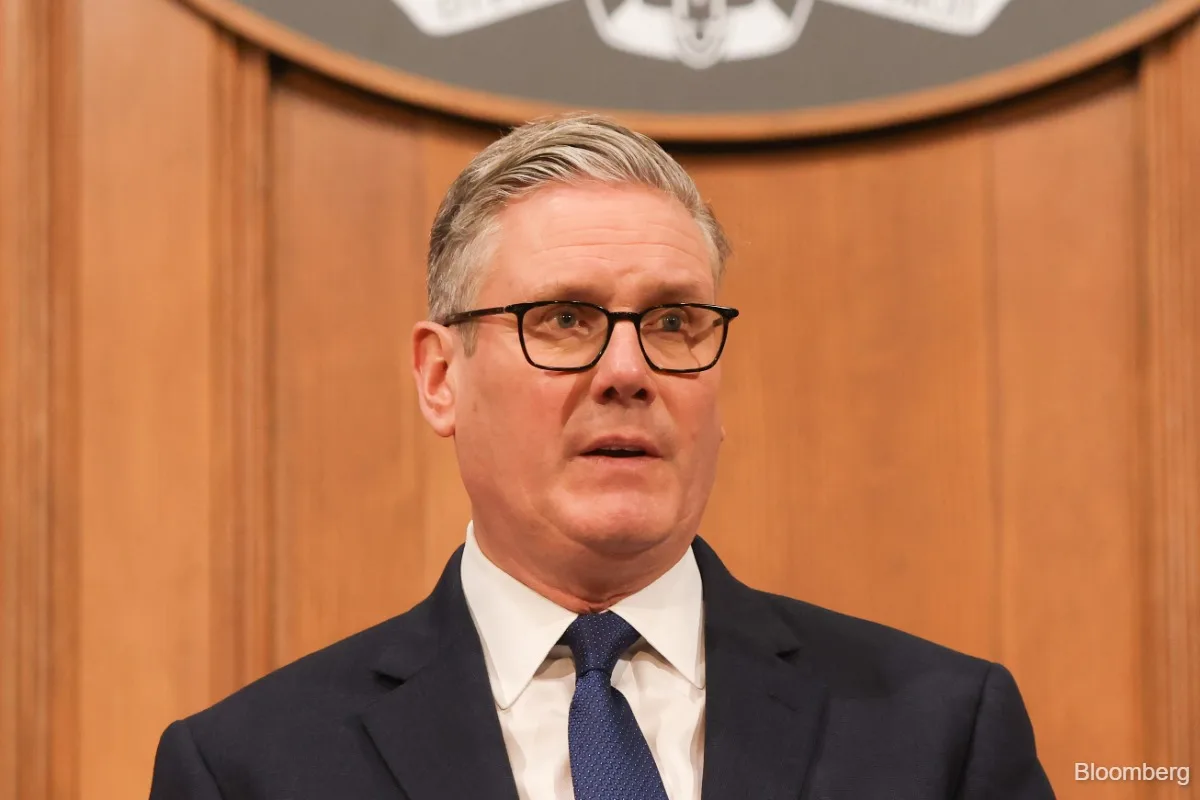
Prime Minister Starmer pledged to raise defence spending to 2.5% of GDP by 2027 and up to 3.5% by 2035 but did not set a date for meeting the 3% target [4, 7, 10]. He defended the DIP as "delivering an unprecedented increase in defence spending in a sustainable way" that would keep the country safe and support the defence industry [11]. Starmer said, "You are also right that we have to go further" [11].
The day after Healey’s resignation, Armed Forces Minister Al Carns also quit, criticizing the DIP as underfunded and focused on outdated military capabilities. Carns said, "I didn’t think the funding settlement was correct for defence, and I didn’t agree with the defence investment plan, which I thought was looking at how to fight the last war rather than the next one" [11, 9, 10].
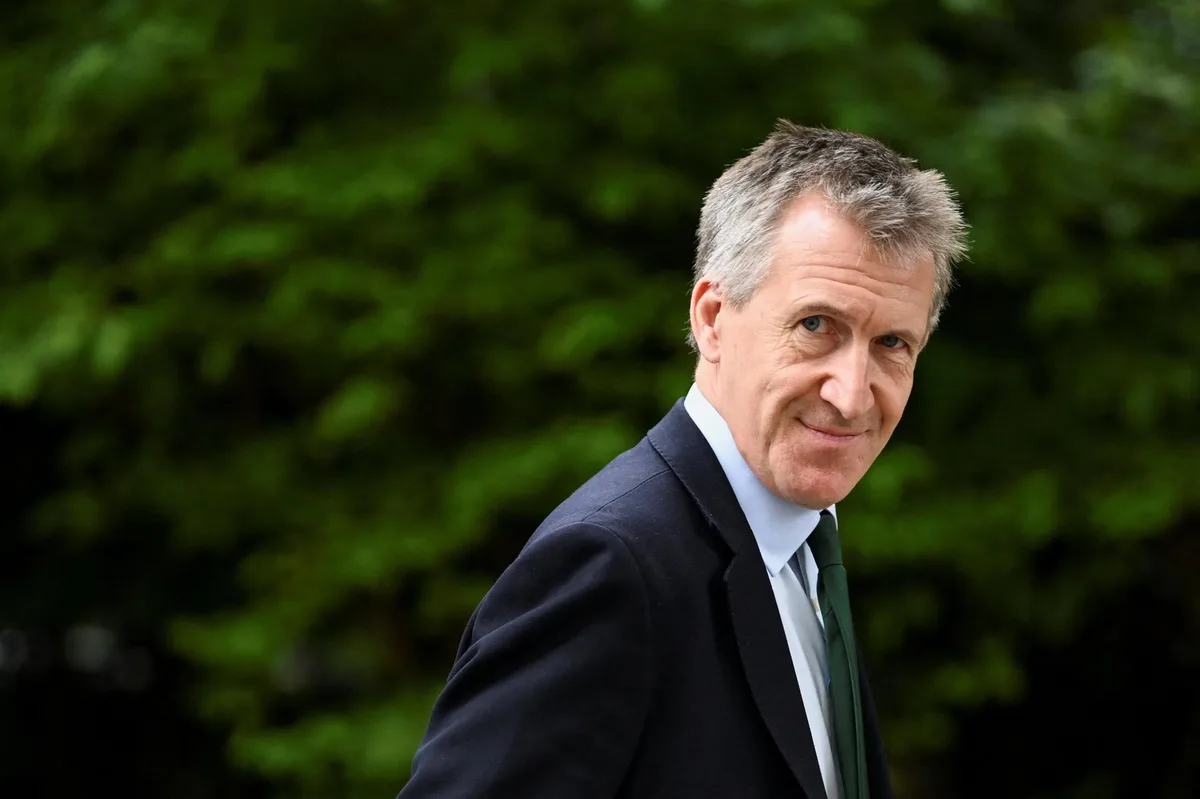
Starmer appointed former army officer Dan Jarvis as the new Defence Secretary on June 12 [10, 8]. Healey’s resignation adds to a period of political turmoil for Starmer, who faces challenges including recent ministerial resignations and an upcoming by-election [2, 3, 11, 10, 8].
The UK government plans to formally publish the Defence Investment Plan ahead of the NATO summit starting July 7 [2, 3, 11].