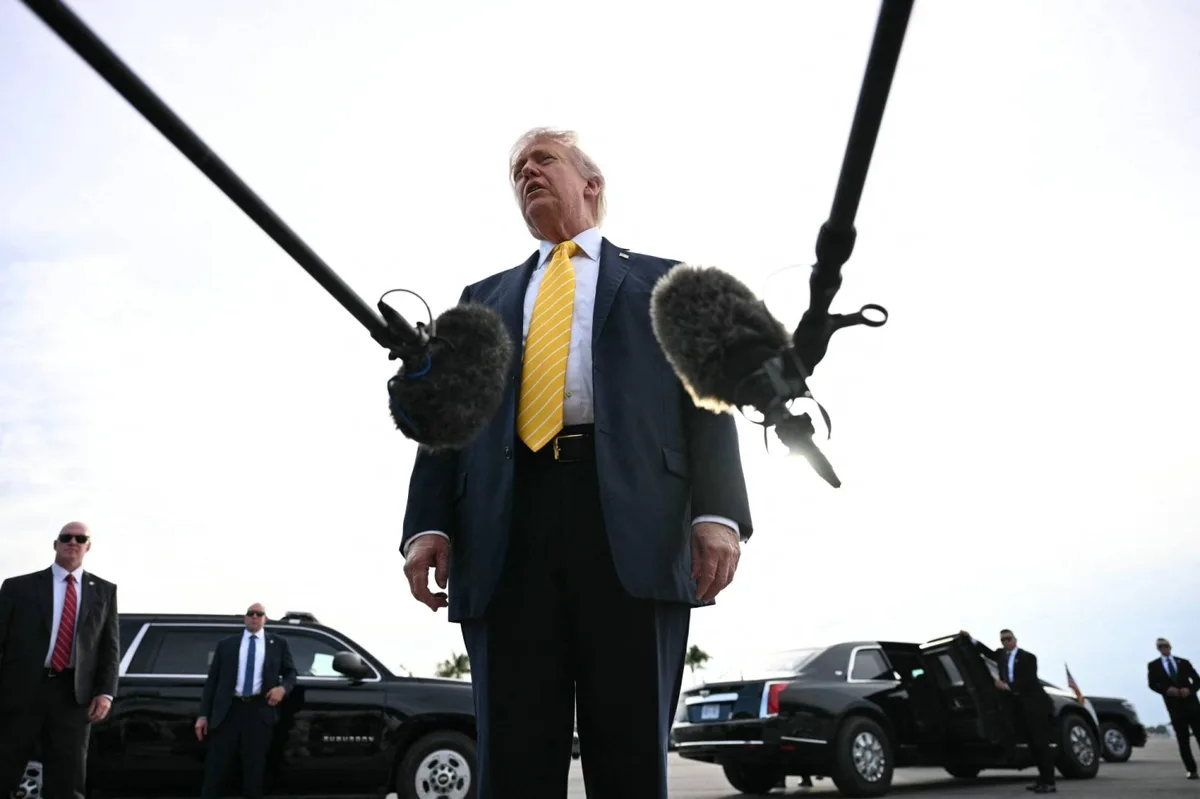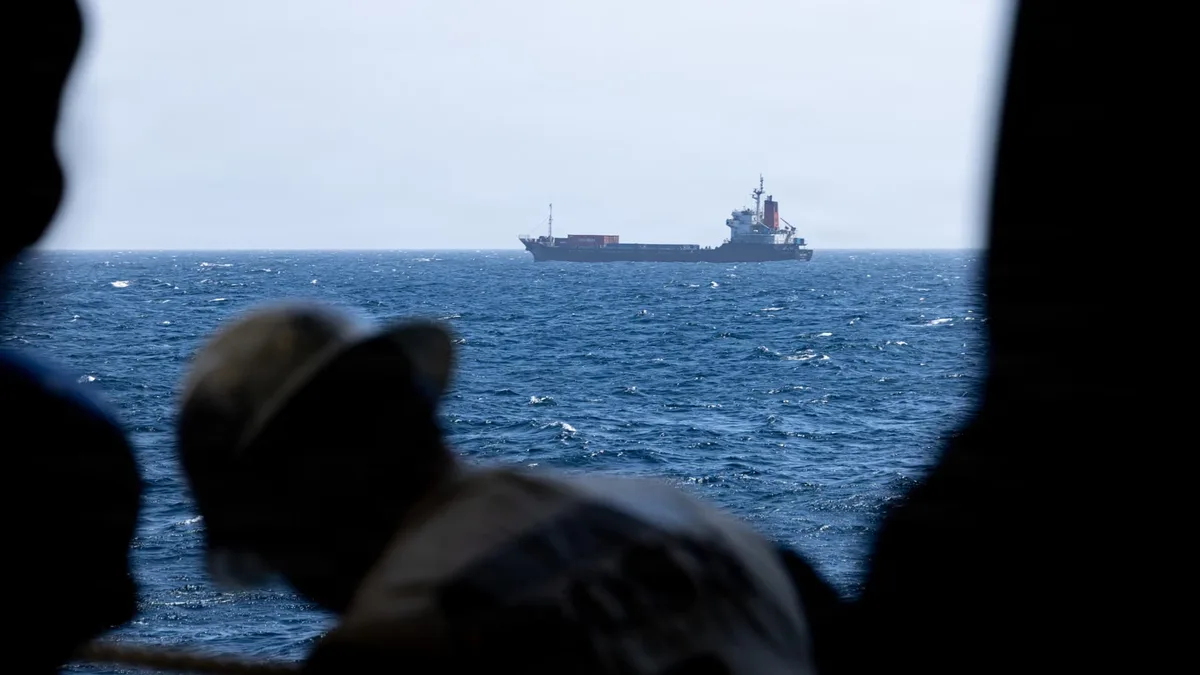
Iranian state media said on Monday that two missiles hit a U.S. warship as it tried to pass through the Strait of Hormuz and forced it to retreat, but U.S. Central Command denied that any U.S. Navy ship had been struck. [1, 2, 3]
CENTCOM said U.S. forces were operating in the area and supporting Project Freedom, the escort plan President Donald Trump announced on Sunday for commercial ships stranded in the strait. The command said it was also enforcing a naval blockade on Iranian ports. [1, 2]
Iranian Major General Ali Abdollahi warned that Iranian forces would attack if U.S. vessels tried to enter the Strait of Hormuz, where about 20% of the world’s oil moved before the war. He said, “Armed forces under my command will maintain and manage security of the Strait of Hormuz with all strength.” [1, 2]
Iranian Ministry of Foreign Affairs spokesman Esmaeil Baghaei rejected partial ceasefire proposals and called on Washington to take a more “realistic” approach. He said, “Authorities in Tehran will speak about nothing except for the full end to the war at this stage.” [2]
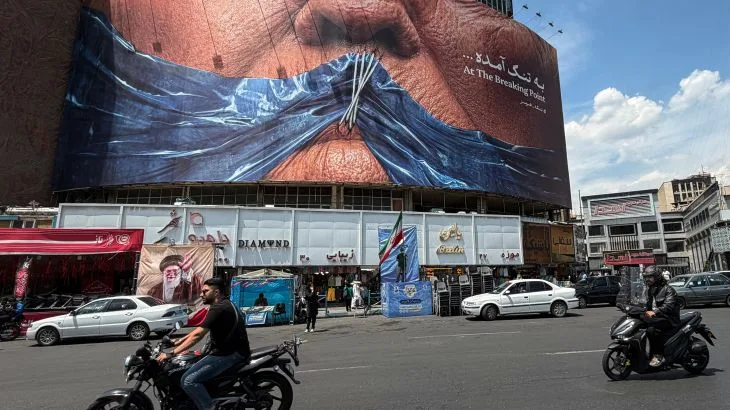
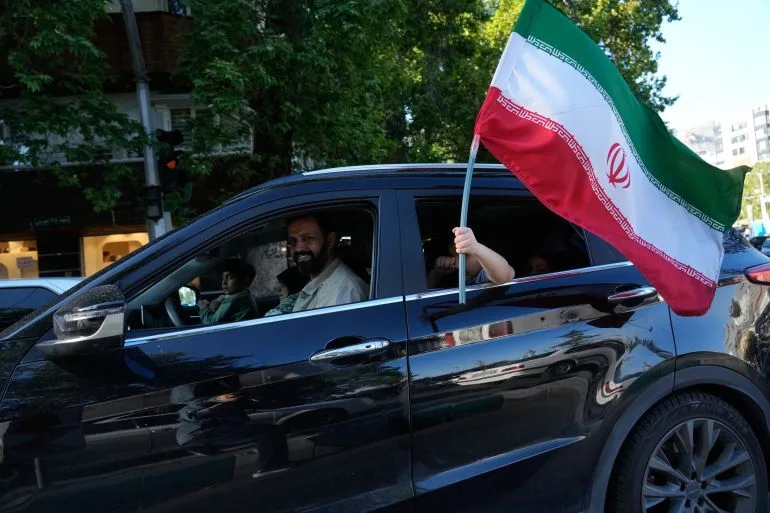
Iran has also kept up a near-total internet shutdown for more than 10 weeks, cutting off over 90 million people since the war began, while mobilizing military and civilian supporters at home. Oil prices rose about 5% after concern over the blockade and possible disruption in the strait. [2, 3]
CENTCOM said Project Freedom was already under way and that 2 U.S.-flagged merchant ships had successfully transited the Strait of Hormuz under the escort effort. The next scheduled step is the continuation of those escorts starting Monday. [1]