Two powerful earthquakes measuring 7.2 and 7.5 struck northern Venezuela on the evening of June 24, about 39-45 seconds apart, near the towns of San Felipe and Yumare in Yaracuy state, roughly 160 km west of Caracas [1, 2, 3, 4]. The quakes occurred along the boundary between the Caribbean and South American tectonic plates near the Boconó fault, at shallow depths of 10 to 20 km, which intensified the shaking felt across northern Venezuela and nearby Caribbean islands [5, 3, 6, 4].
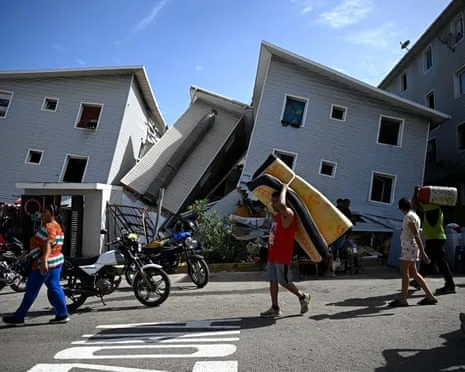
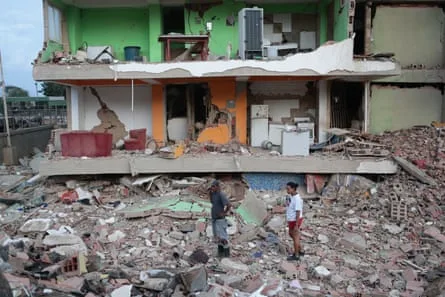
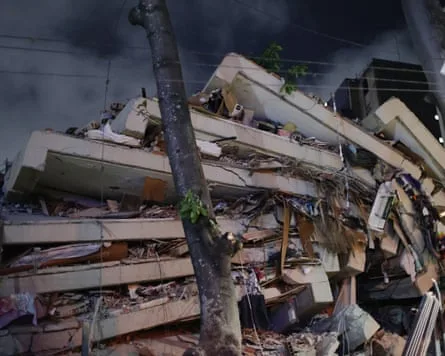
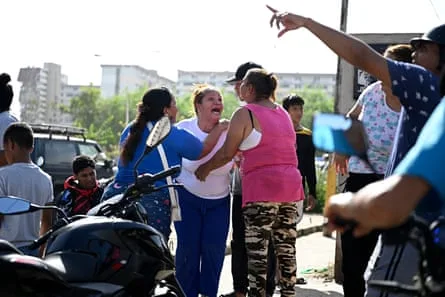
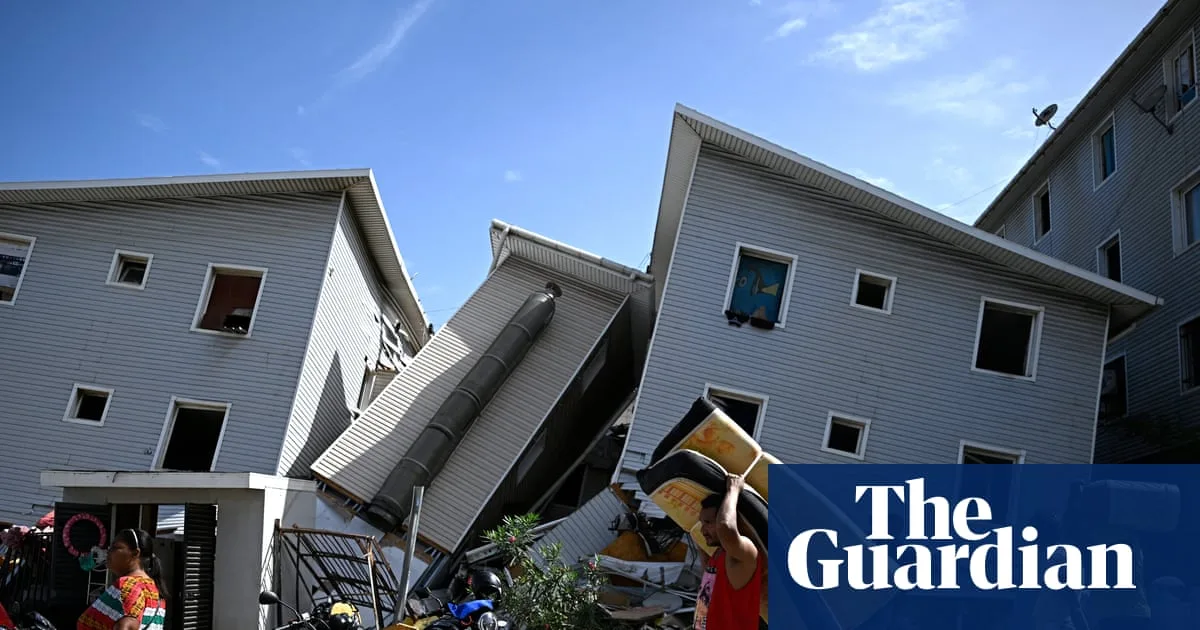
The twin quakes caused catastrophic damage to buildings and infrastructure in Caracas and surrounding areas including Altamira, Los Palos Grandes, La Guaira, and Yaracuy [7, 8, 9, 10, 11]. Both wealthy neighborhoods and working-class districts saw destruction, with many older residential and commercial buildings collapsing or severely damaged [7, 9, 10]. Jessica Galvis described waiting outside a fallen six-floor building where a friend was feared buried [7]. Sebastian Rodríguez said, "I had to carry my mum out. She was paralysed by fear" as the house shook unnervingly [7].
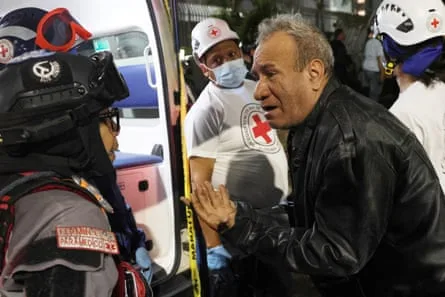
At least 188 deaths have been confirmed as of June 25, though some sources estimate fatalities could be as high as 589 and rising as rescue continues [8, 10, 5]. Thousands are injured and many remain missing. Rescue efforts are hampered by rubble and ongoing aftershocks. "It was very, very strong... glasses were breaking, pictures were falling," said witness Jesus Alejandro Pina [9]. Maria Gonzalez said she stayed on the street until 3 a.m. fearing more shocks [10].
The Venezuelan government declared a state of emergency, suspended classes, closed Caracas' main airport, and urged healthcare workers to report to hospitals amid urgent relief efforts [8, 9, 10]. US rescue and aid resources are deploying, with the US Geological Survey issuing red alerts warning of high human and economic losses [1, 2, 12, 3]. Preliminary estimates place economic damage between 1% and 7% of Venezuela’s $111 billion GDP, threatening the fragile recovery and infrastructure [2, 11].
Interim President Delcy Rodriguez announced a $200 million reconstruction fund backed by IMF support on June 25 [2]. US Senator Marco Rubio pledged a comprehensive government response, saying, "We will have a whole government response" [2].
Seismologist Mark Allen explained the doublet as the first quake causing a segment of fault rupture that transferred stress to trigger the second quake [3]. The rare 'doublet' phenomenon saw two major quakes of similar magnitude hit nearly simultaneously in close proximity [5, 3, 4]. Verónica Cañas reflected the shock felt by residents unaccustomed to such events, "We all hugged each other, terrified... we aren’t used to this" [6].
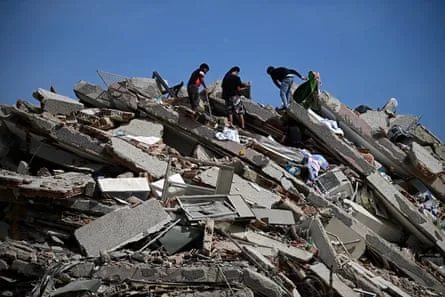
Search and rescue operations continue across affected areas. Authorities have set deadlines for clearing rubble and assessing damage in the coming days as aftershock risks persist.