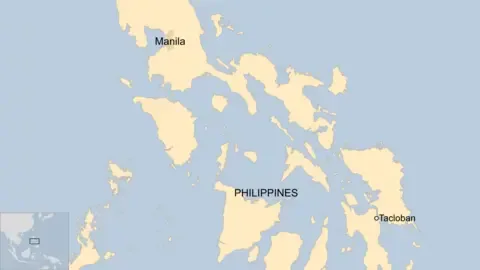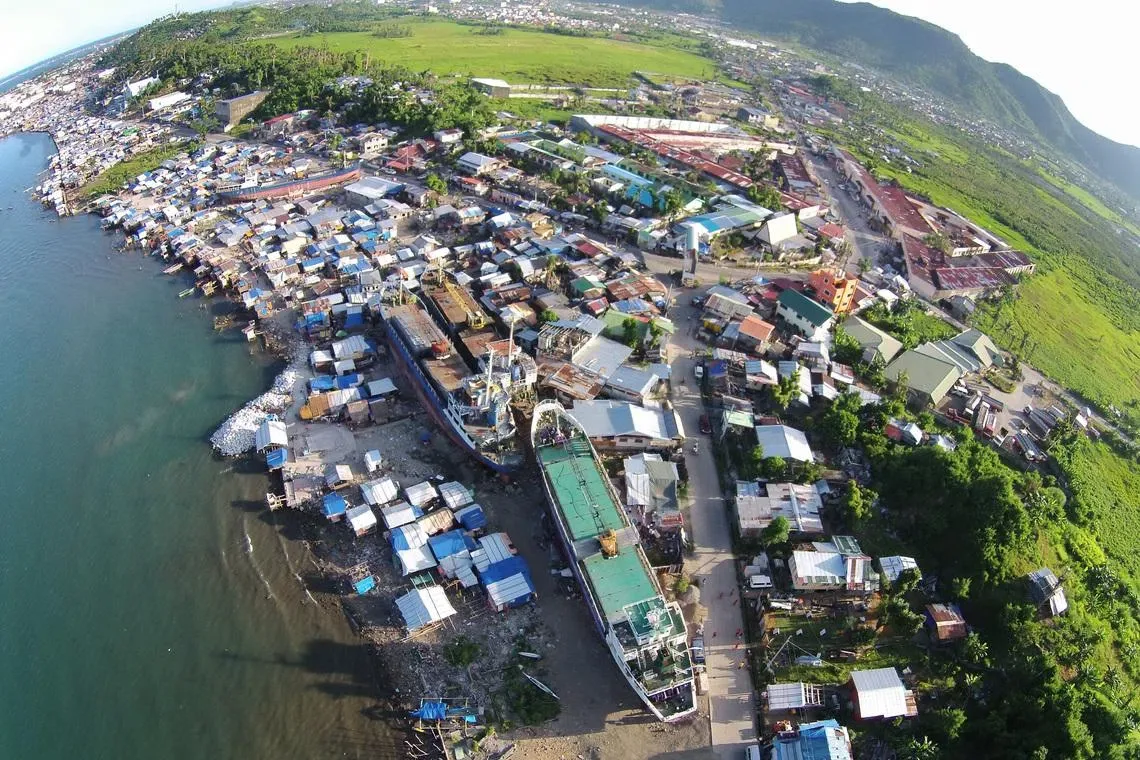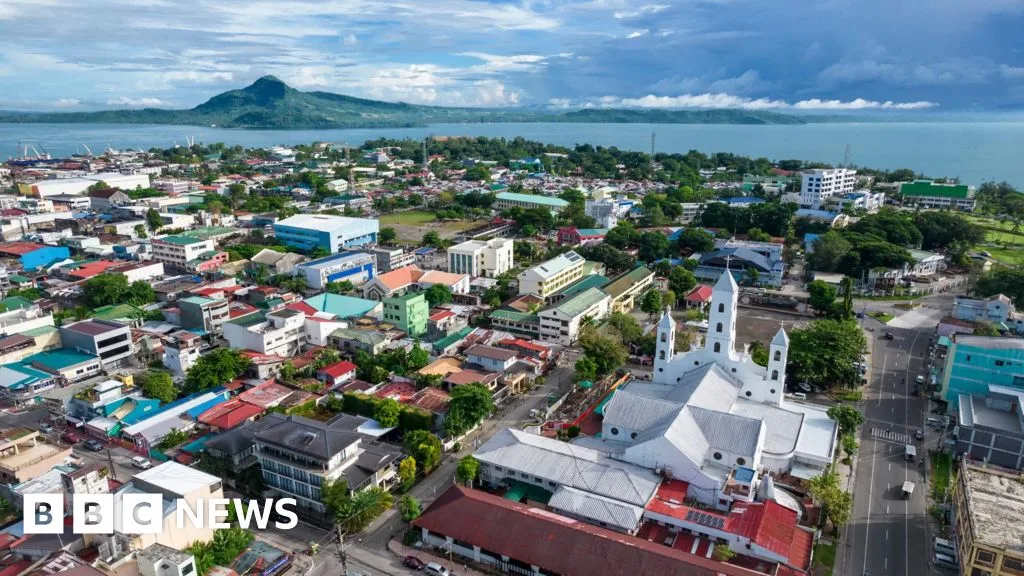
Two teenage boys aged 14 and 15 opened fire at San Jose National High School in Tacloban City, Leyte province, on June 22 at around 9 a.m. [1, 2, 3]. The shooting left three students dead and between five to seven others injured by gunfire, with additional people hurt in the ensuing panic [1, 2, 3]. One suspect was arrested immediately, while the other later surrendered [1, 3, 4].
Police recovered about 40 empty shell casings at the scene and identified the suspects’ weapons as a .38 revolver and a 9mm pistol [1, 5, 6]. The 9mm pistol belonged to a policewoman who is a relative of one of the suspects; she is now in custody [1, 4]. The revolver is registered to a security agency based in Cebu City [5, 7].
Philippine National Police spokesperson Colonel Allen Rae Co said initial investigations suggest the attack stemmed from a "grudge" related to school bullying [1]. A teacher said one suspect was previously identified as a "Child in Conflict with the Law" and was socially withdrawn [7, 8]. Jennelyn Badoria, mother of one slain student, called for gun owners to be charged, saying, "the guns wouldn't have ended up in the children's hands if it weren't for them" [1].
San Jose National High School has about 2,000 students and was not prepared for such an attack [6, 9]. Tacloban police spokesperson Lt. Evalyn Diaz said, "We really don't prepare for this kind of incident. They didn't really know what to do, so they ran in different directions" [6]. Schools in the San Jose district were temporarily closed after the shooting for safety reasons [8].
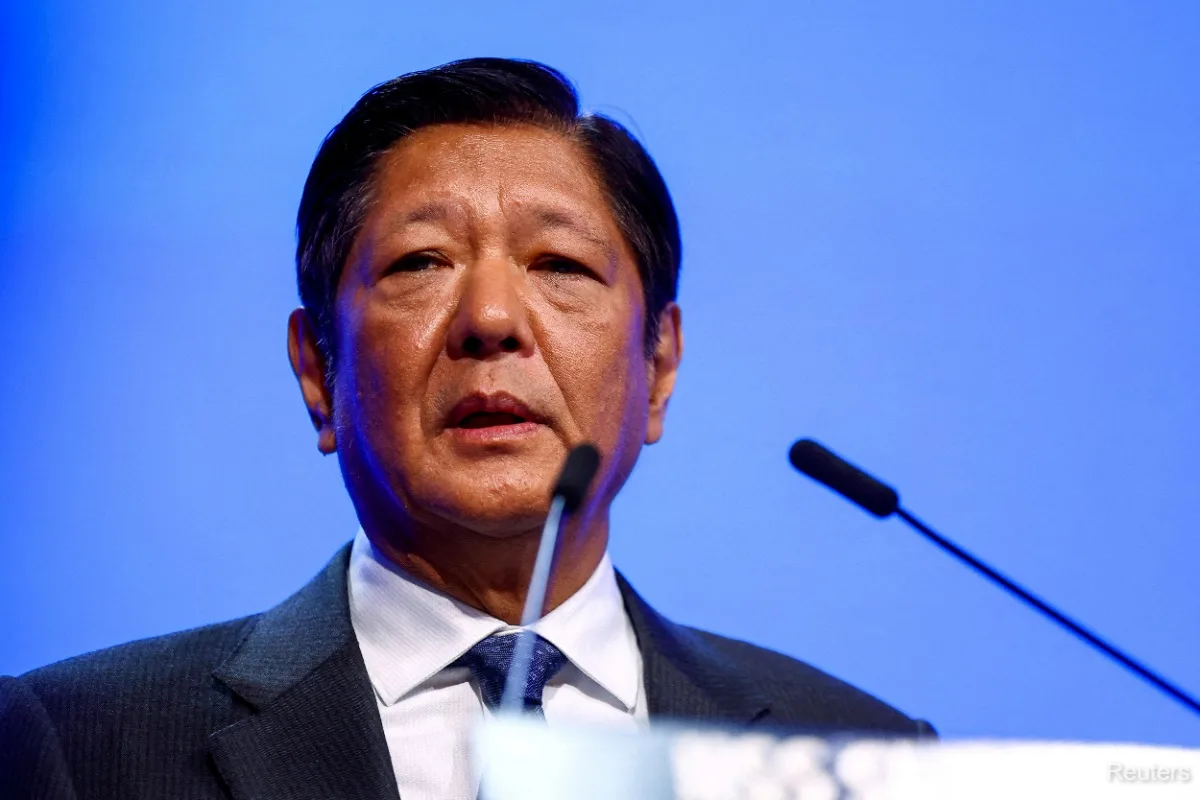
President Ferdinand Marcos Jr expressed sadness over the incident and ordered a thorough investigation. He also directed authorities to ensure safety and security especially in schools [4, 10]. The Department of Education condemned the violence, called it a "high alert situation," and extended condolences to the victims' families [4, 5].
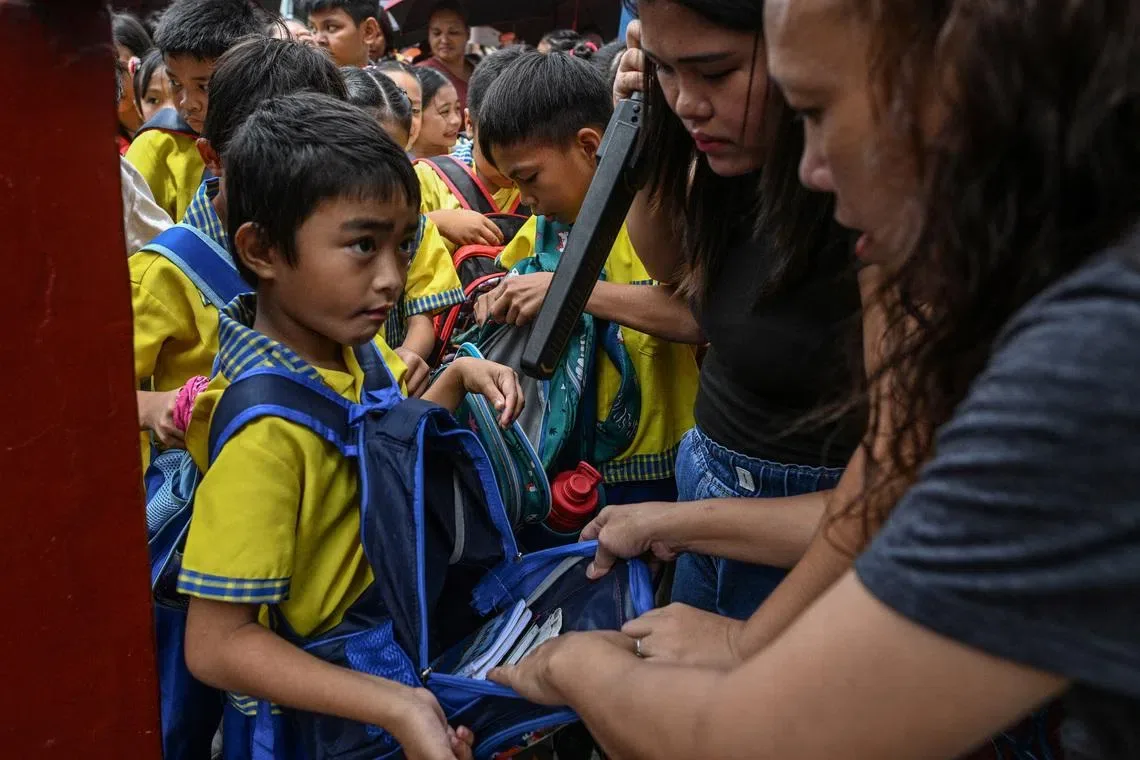
Authorities have deployed additional police to the school to improve security [2, 5]. Rafaelito Alejandro, a senior civil defence official, said, "This will change how we prepare our schools for safety, not just for earthquakes. We need to fast-track preparedness, not only for natural disasters but also for human-induced, crime-related incidents" [6]. Health Secretary Teodoro Herbosa added, "It is all about training people when there are emergencies so they know what to do" [6].
The Philippine school year had just restarted weeks earlier after a two-month summer break [5]. School shootings are very rare in the country, making the incident particularly unusual [1, 3].
Authorities announced plans on June 23 to reassess school safety and civil defence protocols to better cover gun violence [6, 9].