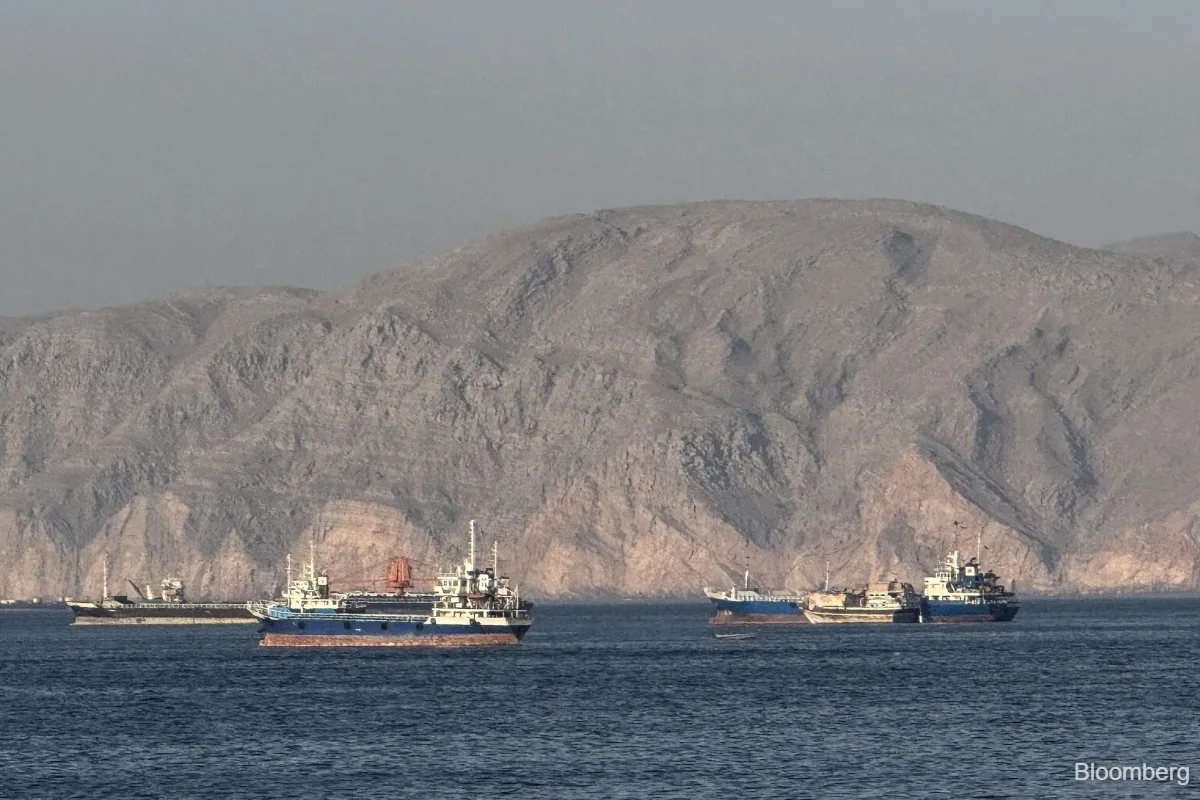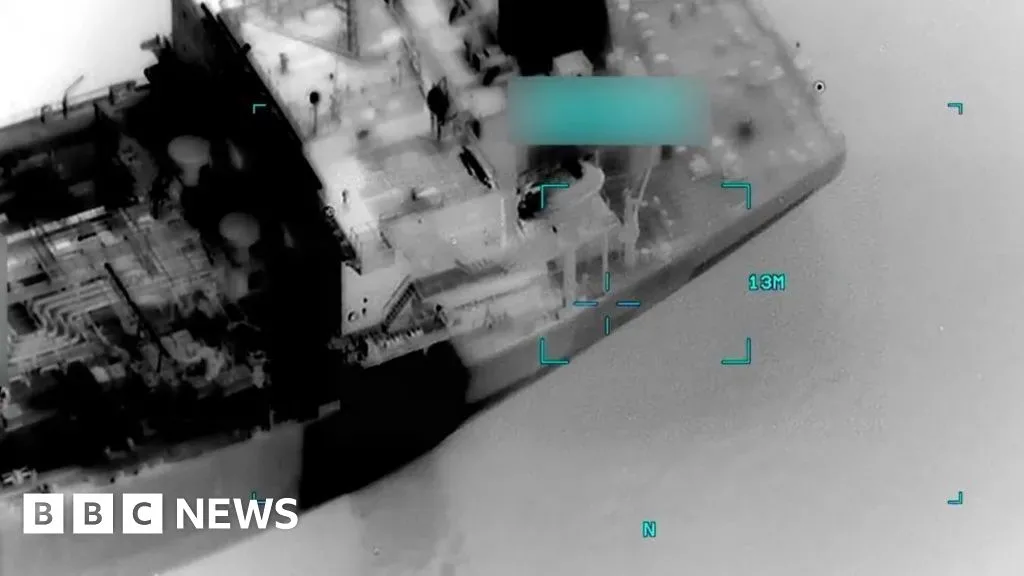
Three Indian sailors died after a US aircraft fired precision munitions into the engine room of the Palau-flagged oil tanker MT Settebello in the Gulf of Oman on June 9, 2026. The strike came after the crew repeatedly failed to comply with US forces' orders, according to US Central Command. Of 24 Indian crew members aboard the vessel, 21 were rescued, while three were confirmed dead after their bodies were recovered and identified, Indian Shipping Minister Sarbananda Sonowal said [1, 2, 3, 4, 5].
The MT Settebello attack was the second in a series of US strikes on commercial tankers in the Gulf of Oman under enforcement of a naval blockade of Iranian ports and vessels. The US has been blocking shipments of Iranian oil since April 13, 2026 [1, 3, 6].
The previous day, US forces struck another Palau-flagged tanker, the MT Marivex, which carried 24 Indian crew. All crew members were rescued by Omani forces with no casualties reported [1, 2, 3, 6]. On June 11, a Guinea-Bissau-flagged tanker with 20 Indian crew was also hit by a US strike; its crew was rescued without fatalities [7, 6, 8].
India strongly protested the strikes. The Indian government summoned US Deputy Chief of Mission Jason Meeks twice, on June 10 and June 12, demanding answers and an end to attacks on commercial shipping [2, 3, 7, 4]. India’s Foreign Minister Subrahmanyam Jaishankar called US Secretary of State Marco Rubio on June 13 to reiterate India’s “strong protest at the attacks by the US Navy in the Gulf that killed three Indian mariners,” saying “such lethal actions against commercial shipping are not justified” [6]. Indian Shipping Minister Sonowal called the loss of life “deeply unfortunate” [2, 4].
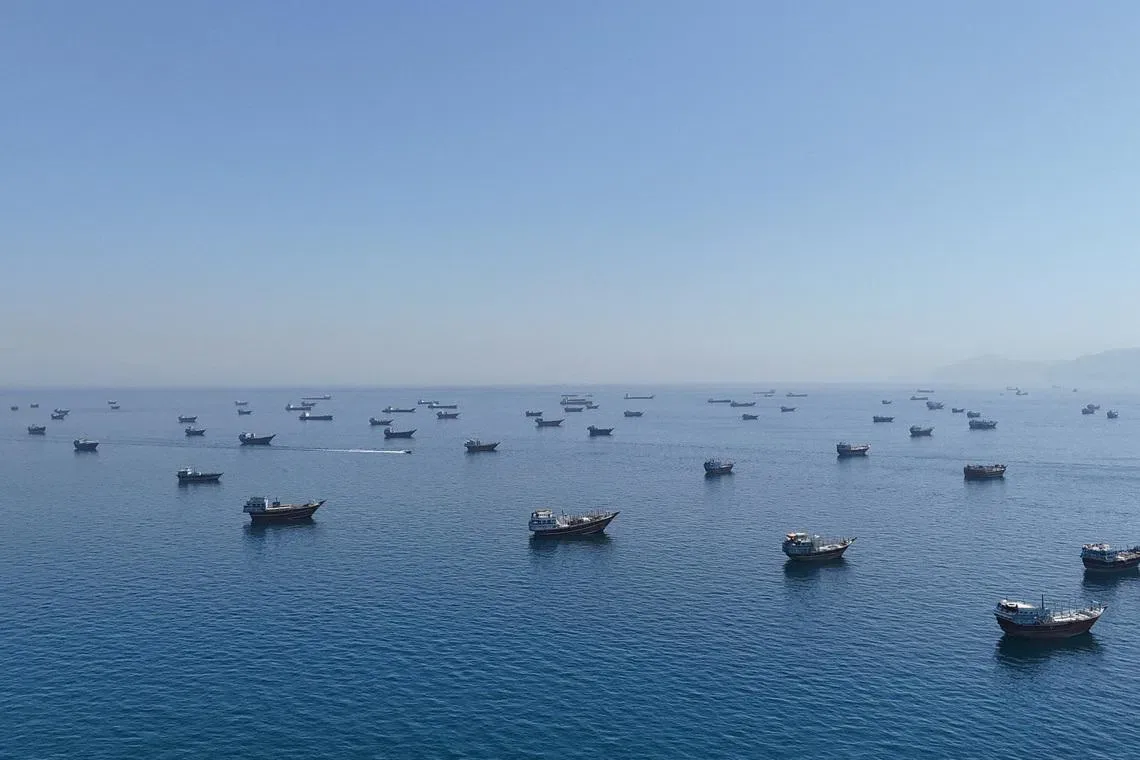
The International Maritime Organization condemned the strike on the Settebello as “simply unacceptable” and urged protection of seafarers [3]. Since April 13, US forces have disabled at least nine vessels and redirected more than 135 others as part of the blockade at the Strait of Hormuz, where the tanker strikes occurred [1, 2, 3, 9].
Separately, India’s navy carried out a high-risk operation on June 11 to recover an unexploded missile warhead lodged in the MT Olympic Life tanker after it was hit near Oman on May 26, illustrating the ongoing dangers for commercial shipping in the region [6].
The US strike on the MT Settebello and related attacks in early June mark a sharp escalation in naval enforcement actions that have drawn firm diplomatic protests from India. India’s government has called for the fighting and attacks on commercial vessels to stop [1, 2, 3].