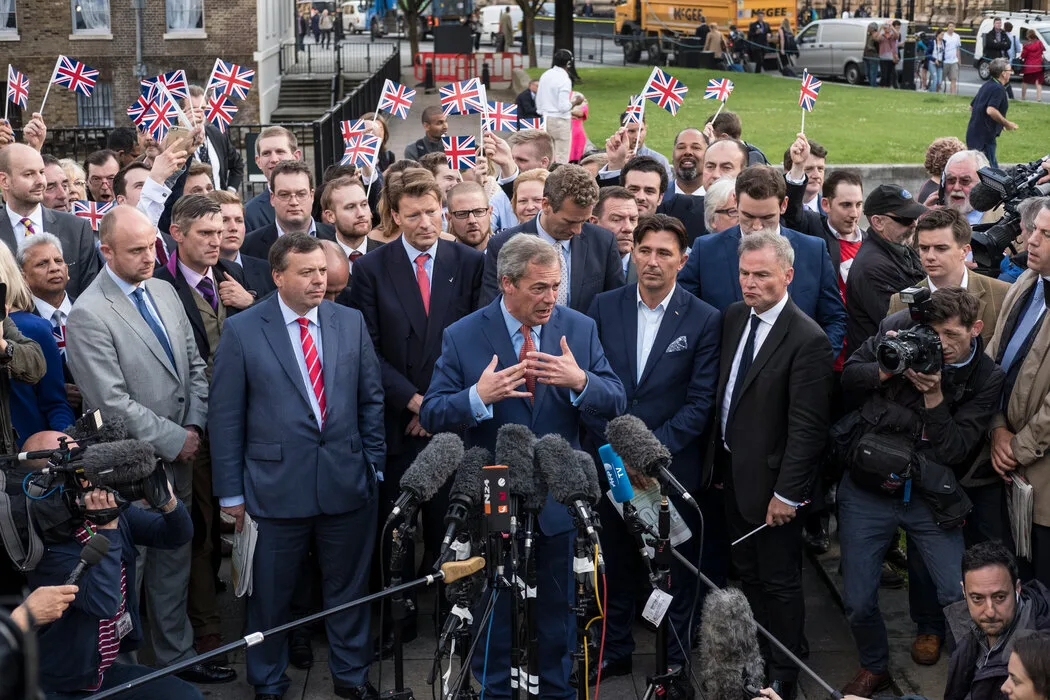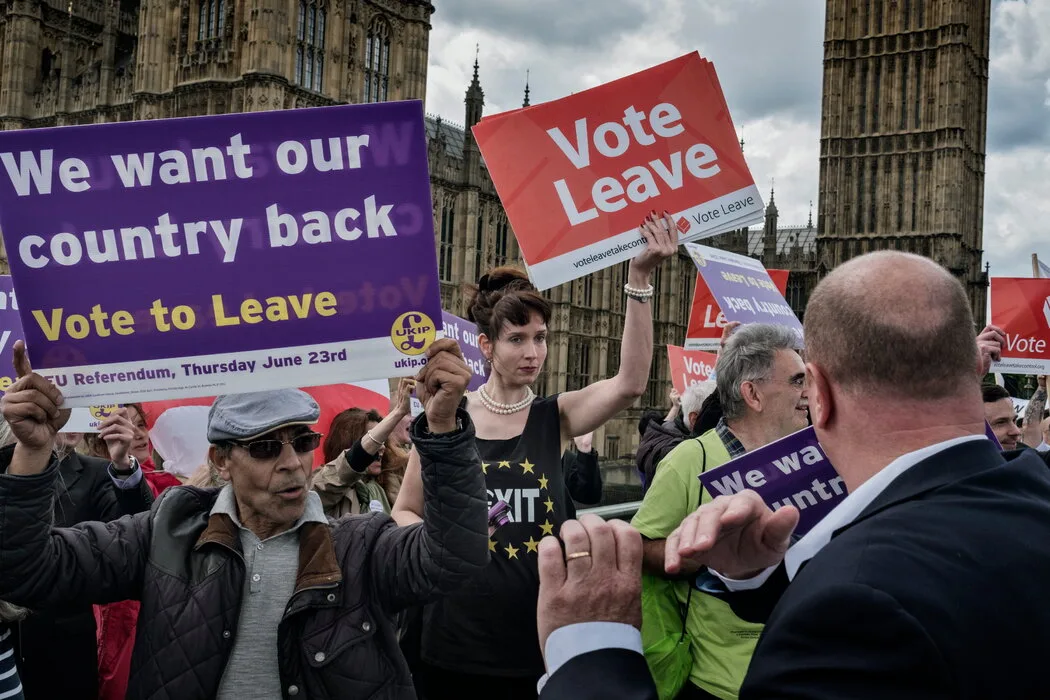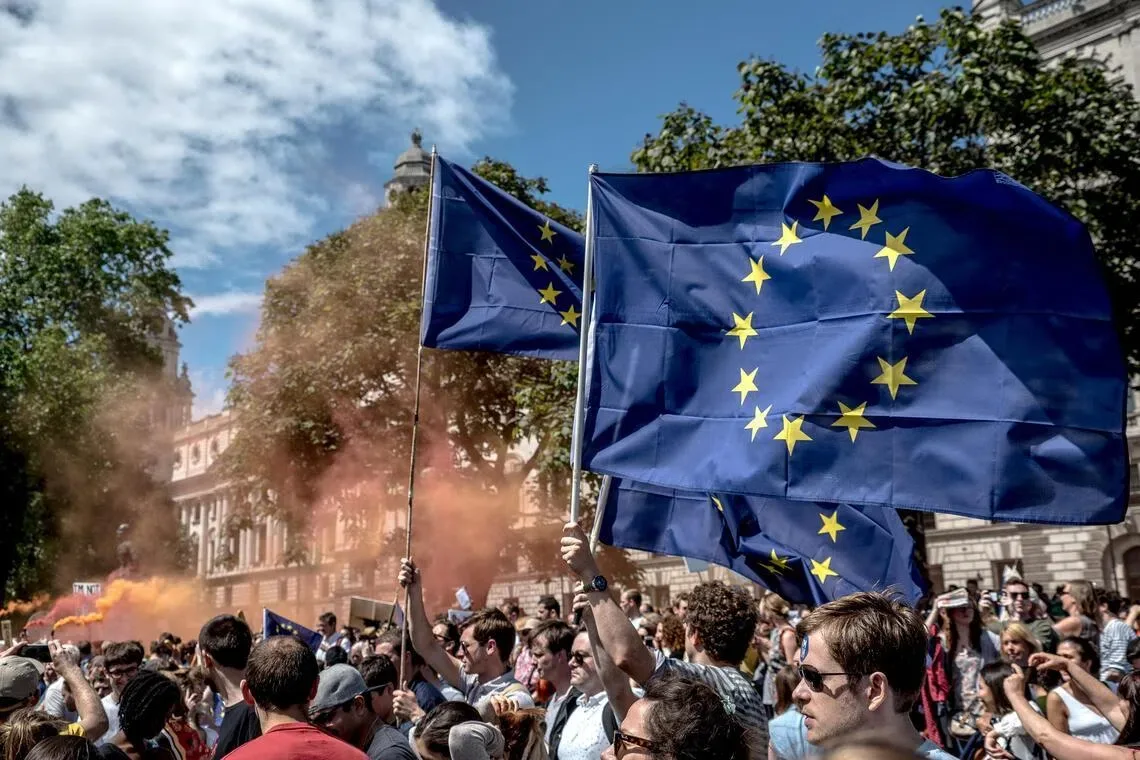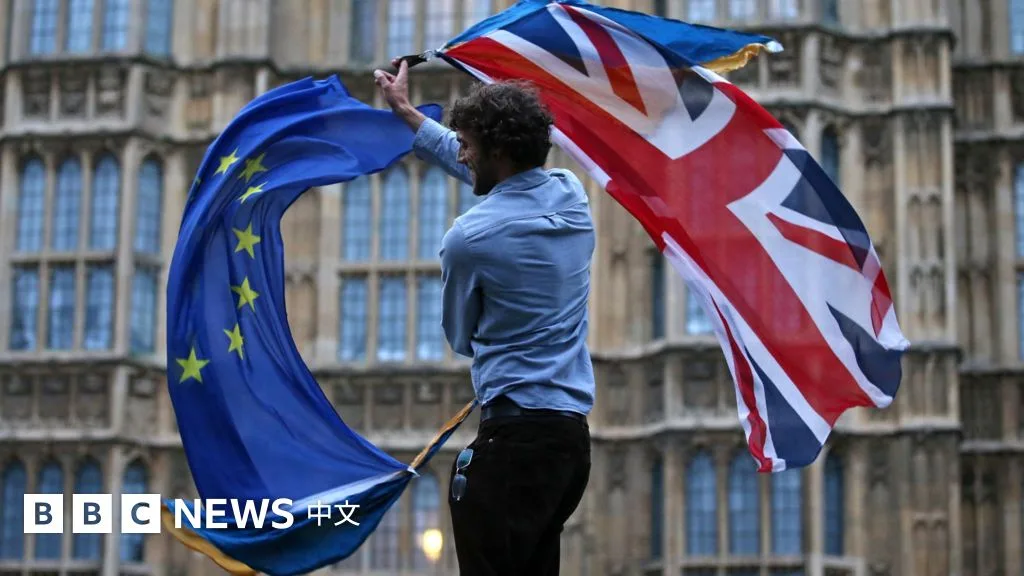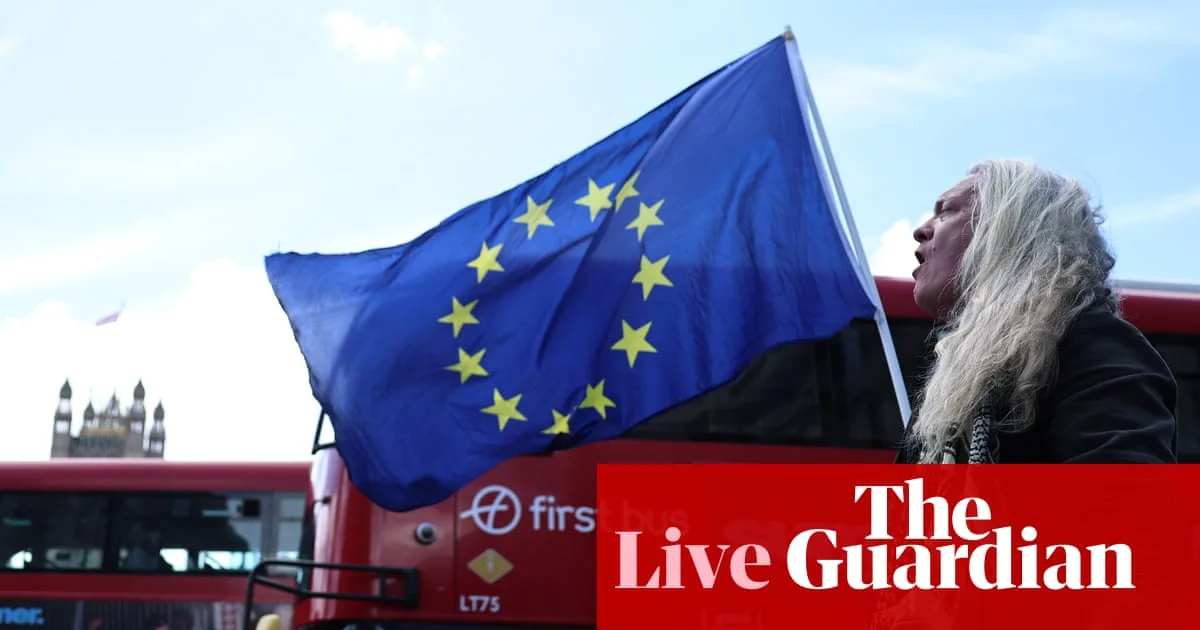
The United Kingdom marks a decade since its 2016 referendum decision to leave the European Union, facing significant economic damage and political upheaval [1, 2]. Economists estimate the UK economy is 4% to 8% smaller than if it had remained in the EU, reflecting substantial lost output and tax revenue [1, 3]. Jonathan Portes, a King’s College London economics professor, said economists broadly agree Brexit has inflicted serious harm on the economy [3].
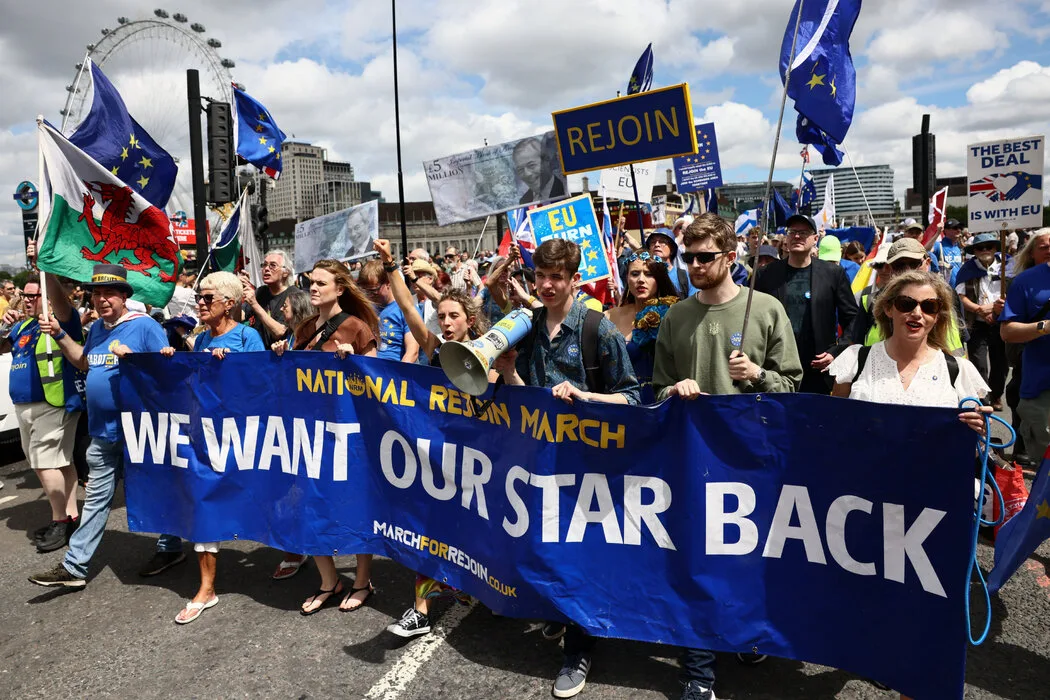
Public opinion has overwhelmingly turned against Brexit. Around 57% to 60% of UK voters now believe leaving the EU was a mistake, with half to 60% supporting rejoining if given the opportunity [4, 1, 5, 3]. Leonard, chair of the European Council on Foreign Relations, said, "Ten years on, Britons realise their hopes of a better life outside the EU have not materialised, and Brexit is weakening the UK’s ability to address voter concerns" [4]. Polls also show UK respondents now prefer Europe over the US as a security partner, with only 18% favoring the US [4, 5].
Political instability has hindered coherent policy responses. Since the 2016 referendum, the UK has had seven prime ministers. Political science professor Rob Ford observed that "frequent prime minister changes mean no grand reforms can be pushed through; deep structural problems never get resolved" [1, 6, 7, 5]. The turmoil escalated yesterday when Prime Minister Keir Starmer announced his immediate resignation, a development that further clouds the political future [1, 6, 7, 5]. The Labour leadership contest now includes Andy Burnham, who is seen as ideologically similar to Starmer but potentially more charismatic [5].
Debate continues over the UK's future relationship with the EU. Both political elites and the public remain divided on how close economic ties should be or whether to restore freedoms such as the free movement of people [4, 6, 7, 5]. EU officials like Michel Barnier emphasize that while cooperation is welcomed, the UK "cannot cherry-pick advantages while leaving the EU" and must respect obligations related to the single market and labor mobility [6, 7]. Meanwhile, some UK citizens strongly support restoring these ties [4]. European partners remain cautious, viewing any UK re-entry as requiring firm commitment to shared rules [2, 8].
Brexit-related turmoil exposes deeper structural and social fissures within the UK that have yet to be resolved [5, 2]. The political uncertainty now centers on transition plans following Starmer’s resignation and the outcome of the Labour Party’s leadership race.