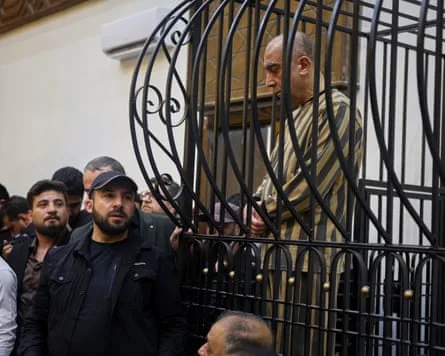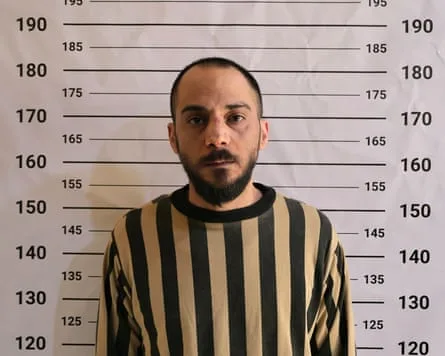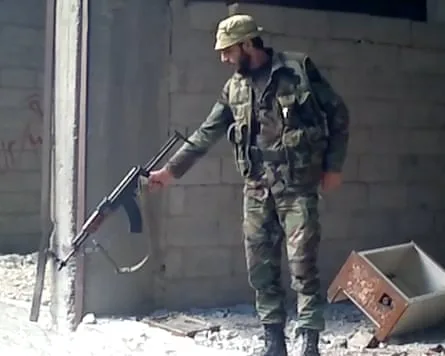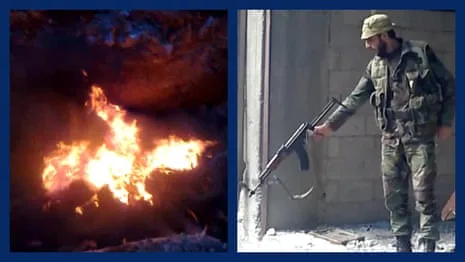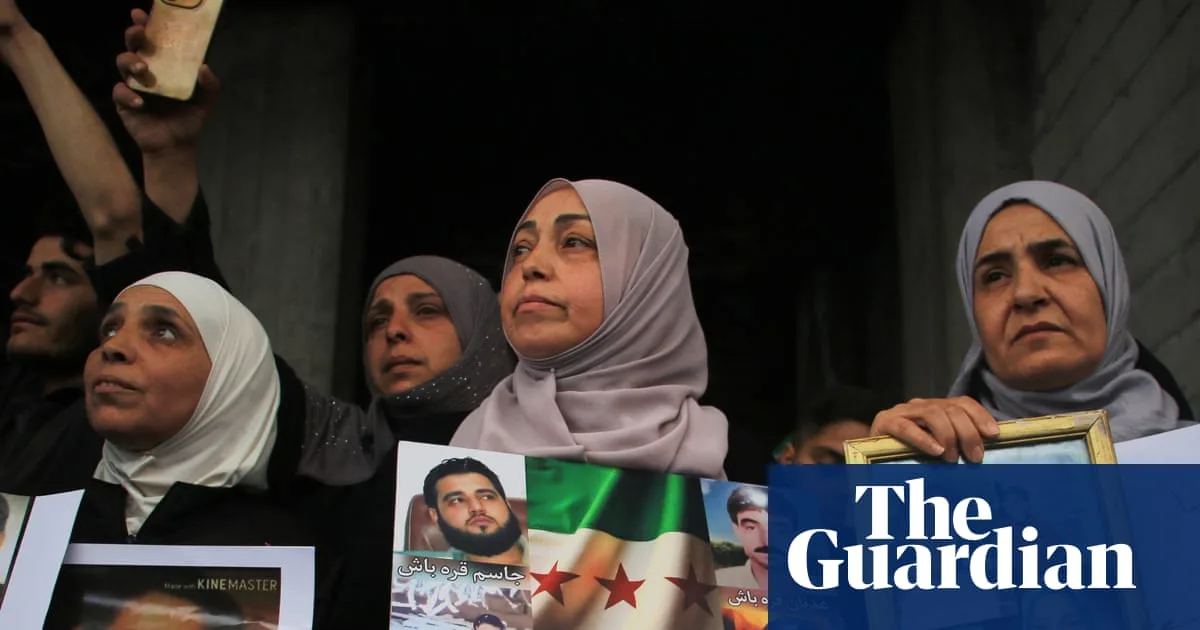
Syrian intelligence officer Amjad Youssef, linked to the 2013 Tadamon massacres that killed at least 300 civilians, was arrested and publicly interrogated last Sunday, officials said [1]. A video released by Syria’s interior ministry showed Youssef giving what the report called a seemingly forced confession on May 3 [1].
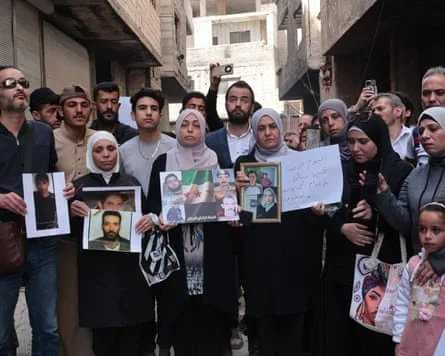
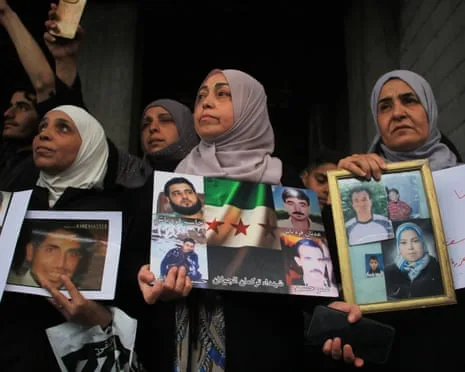
The arrest prompted spontaneous celebrations in Tadamon and nearby areas, where residents hailed it as a milestone for justice against Assad-regime atrocities. Activist Ahmad al-Homsi, 33, said, "We stayed out for almost three or four days celebrating. People from neighbouring areas sent camels, sheep, livestock for us to slaughter and distribute them to people. The tears of joy didn’t stop" [1].
However, not all reactions were positive. Al-Homsi criticized parts of the confession as a cover-up, stating, "Of course it upset us. Of course I didn’t like what he said. This was a cover-up for others [involved]" [1]. Human rights watchers have expressed concerns over the transparency of the justice process.
Some officials from Syria’s new government appear to prioritize internal security and selective arrests aimed at maintaining stability rather than full accountability. Legal analyst Ali Aljasem commented, "We’ve moved from transitional justice into selective and performative justice" and warned, "The idea is, you arrest a couple of people, put them on TV and use them as scapegoats" [1].
Alongside Youssef’s arrest, the first hearing in the trial of Atef Najib, former head of political security in Deraa province and President Assad’s cousin, also took place on May 3, signaling an effort to prosecute other individuals implicated in regime atrocities [1].
Youssef’s detention follows revelations last month when local activists learned of his arrest, adding pressure on authorities to deliver justice for the victims of the 2013 killings in the Damascus neighborhood of Tadamon [1]. The next procedural steps in Najib’s trial are expected to determine whether prosecutions will expand or stall.