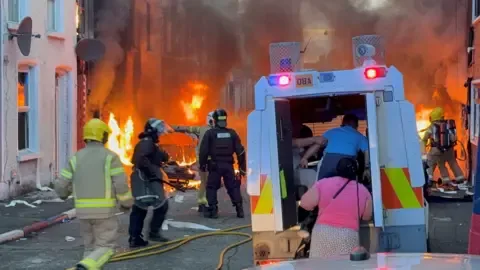
A 30-year-old Sudanese man granted UK asylum was charged with attempted murder after a brutal knife attack on June 8 in north Belfast left a man in his 40s seriously injured, including the loss of an eye [1, 2, 3, 4]. The attack was captured on video, which circulated widely on social media the following day. This sparked violent anti-immigrant protests and riots across Belfast on June 9, involving arson attacks on homes and vehicles [1, 3, 5, 6, 4].
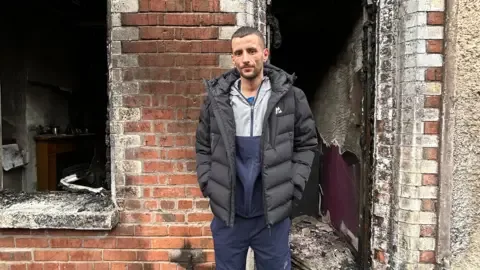
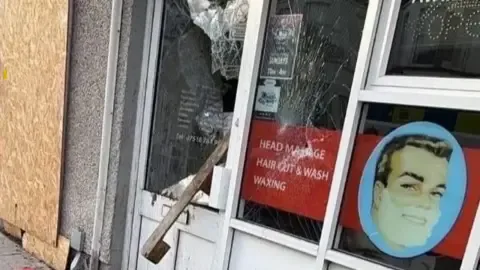
Masked youths burnt properties and attacked police with petrol bombs and rocks during the unrest. Ethnic minority families, including Black and immigrant communities, were forced to evacuate amid the violence [7, 3, 5, 8, 9, 6, 4]. Northern Ireland police declared a critical incident on the evening of June 9 and deployed armored vehicles, water cannon, and plastic bullets to contain the disorder [1, 2, 8, 4].
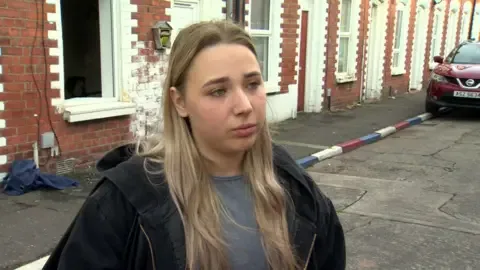
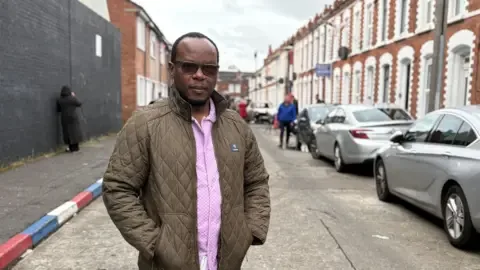
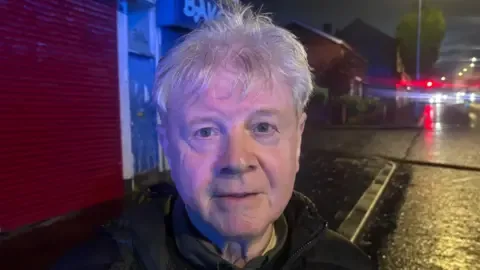
At least 19 arrests had been made by June 12, including a 16-year-old boy, in connection to the riots and violent protests [4]. The unrest caused deep fear and trauma among ethnic minority communities, many of whom are war refugees targeted due to their skin color. Lists of immigrant homes circulated on social media, further intensifying community anxiety [8, 9, 6]. Twasul Mohammed, a Sudanese refugee, said, "Women and kids are terrified and in shock. We are keeping our kids at home, I haven’t sent my kids to school since this has happened" [9].
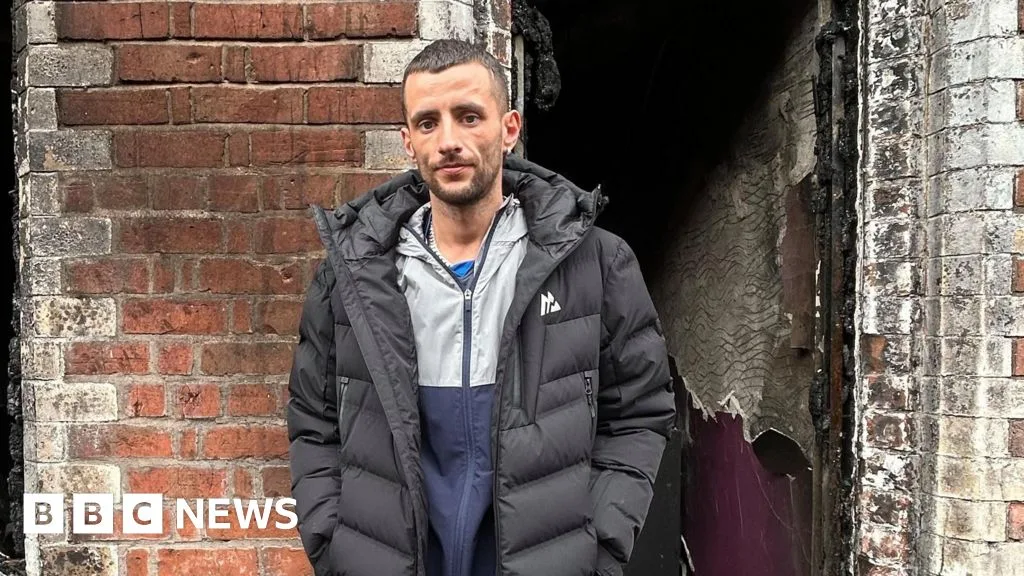
Jamie Corry, whose home in east Belfast was destroyed in an arson attack on June 9, said, "I will never get over watching my whole house just go up, slowly but surely, and that was it." [7, 5] Officials described the violence as racist thuggery targeting ethnic minorities. UK Minister for Northern Ireland Hilary Benn said, "If you are targeting people on the basis of the colour of their skin, how else can you describe them? That is racist thuggery." [8] British Prime Minister Keir Starmer called the knife attack "sickening" and appealed for calm, stating, "I appeal for calm and the safety of all our communities." [1, 2, 3]
The violence revived fears of Northern Ireland's past sectarian Troubles conflict, exposing ongoing social divisions in interface areas of Belfast. Queen's University professor Joanne Hughes said, "We still have a legacy of conflict, of sectarian conflict here. We still have high levels of community division." [10] Republican activist Sean Og O Murchu added, "There’s still influence here from paramilitary organisations on the union side. They’re sort of the hangover from the Troubles." [10]
Loyalist paramilitary groups reportedly did not orchestrate the unrest but also did not prevent the violence, reflecting lingering influence from that era [10, 11]. Government and police officials pointed to online misinformation and extremist calls to action as factors amplifying the unrest [4].
After calmer conditions on June 12, police continued patrols to maintain order amid ongoing lower-level disturbances. Anti-racism demonstrations were planned as the city works to stabilize following the most intense violence of June 9-10 [4].