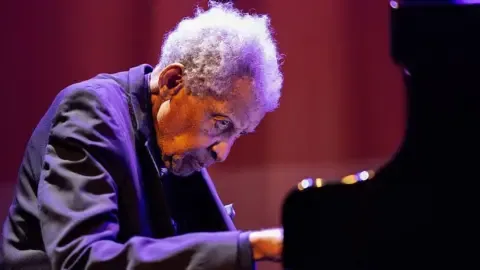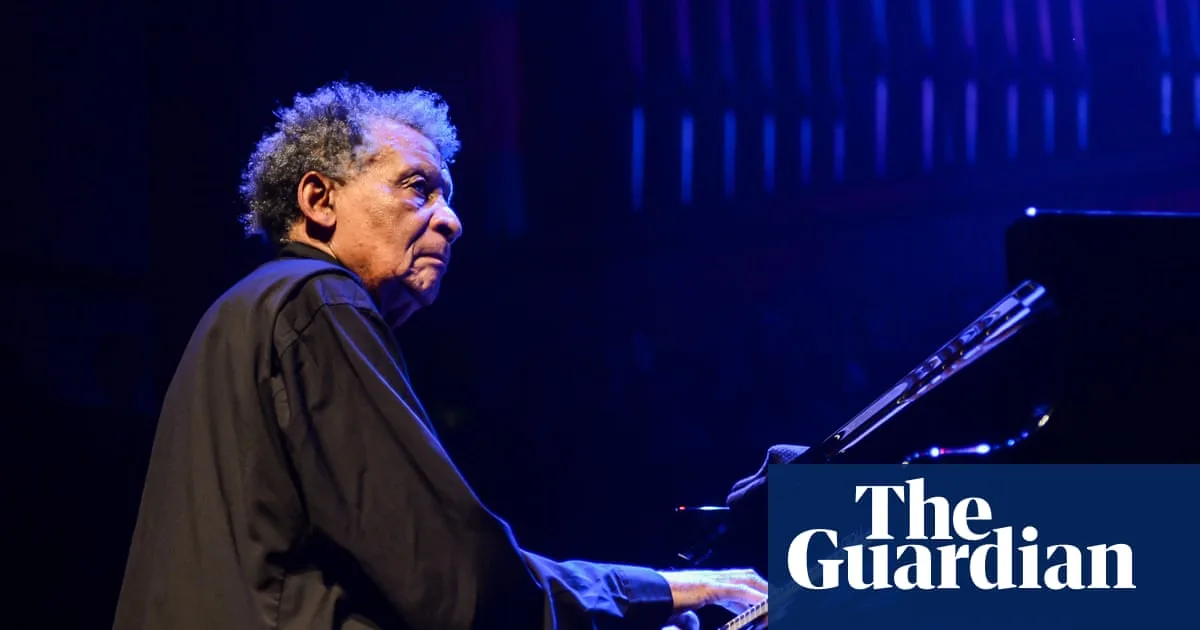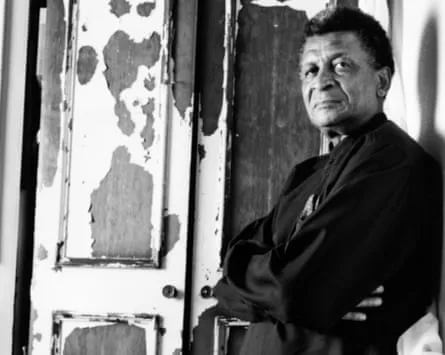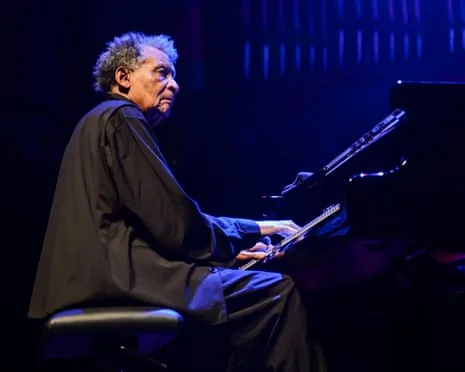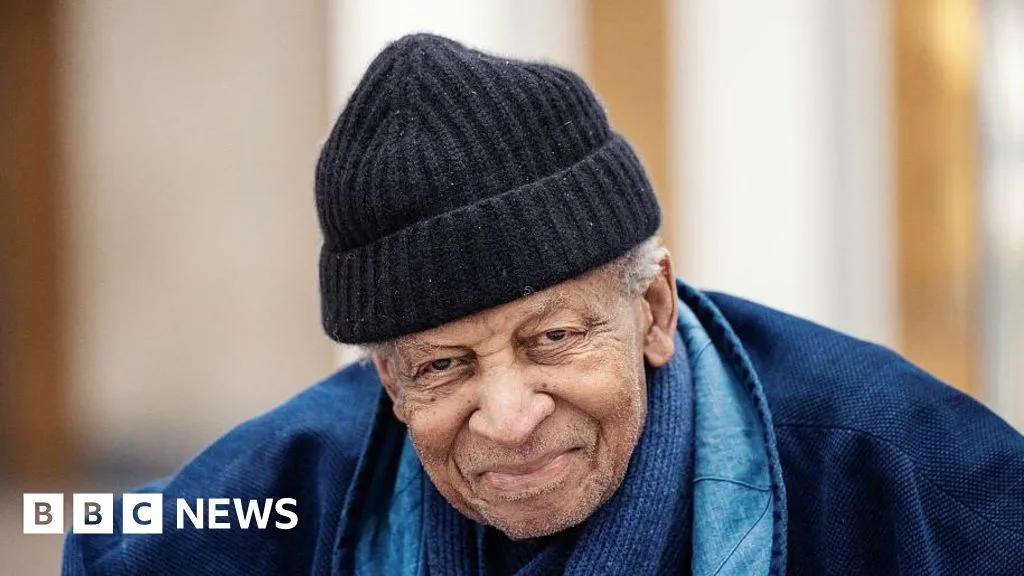
Abdullah Ibrahim, a towering figure in South African jazz, died in Germany in June 2026 at age 91 after a brief illness, surrounded by his family [1, 2, 3]. Born Adolph Johannes Brand in Cape Town in 1934, Ibrahim began composing music at age seven and launched his professional career at 15. He rose to prominence in the 1950s South African jazz scene and was a member of the Jazz Epistles, which recorded the first full-length jazz LP by Black South African musicians in 1960 [1, 2, 3].
Ibrahim originally performed as Dollar Brand before converting to Islam in the late 1960s and adopting the name Abdullah Ibrahim [1]. Apartheid-era pressures led him to move to Europe, initially Switzerland, where he was discovered by Duke Ellington in 1963 during a Zurich performance [1, 3]. He relocated to New York in 1965 and became a recognized figure in the American jazz circuit, performing at the Newport Jazz Festival and with Ellington's orchestra [2, 3]. "I always say we never thought of Ellington as an African American – we thought of him as a wise old man in the village," Ibrahim said in 2024, recognizing Ellington’s influence on musicians worldwide [2].
His career spanned more than eight decades, producing over 70 recordings. Among the most famous is the 1974 track "Mannenberg," an anti-apartheid anthem that resonated deeply in South Africa [1, 2, 3]. Despite living mostly abroad, Ibrahim frequently returned to South Africa and performed his last live show at the Cape Town International Jazz Festival in March 2026, just three months prior to his death [1].
Ibrahim also composed soundtracks for films by Claire Denis, including "No Fear, No Die" and "Chocolat" [2]. He earned several accolades, including the German Jazz Trophy and a South African lifetime achievement award for music [2].
His partner, Dr. Marina Umari, said Abdullah passed away peacefully with "South Africa and its people in his heart. His love for his country never wavered, no matter where in the world he found himself" [1, 2].
Abdullah Ibrahim's legacy remains celebrated worldwide. His death marks the end of a remarkable era in jazz history.