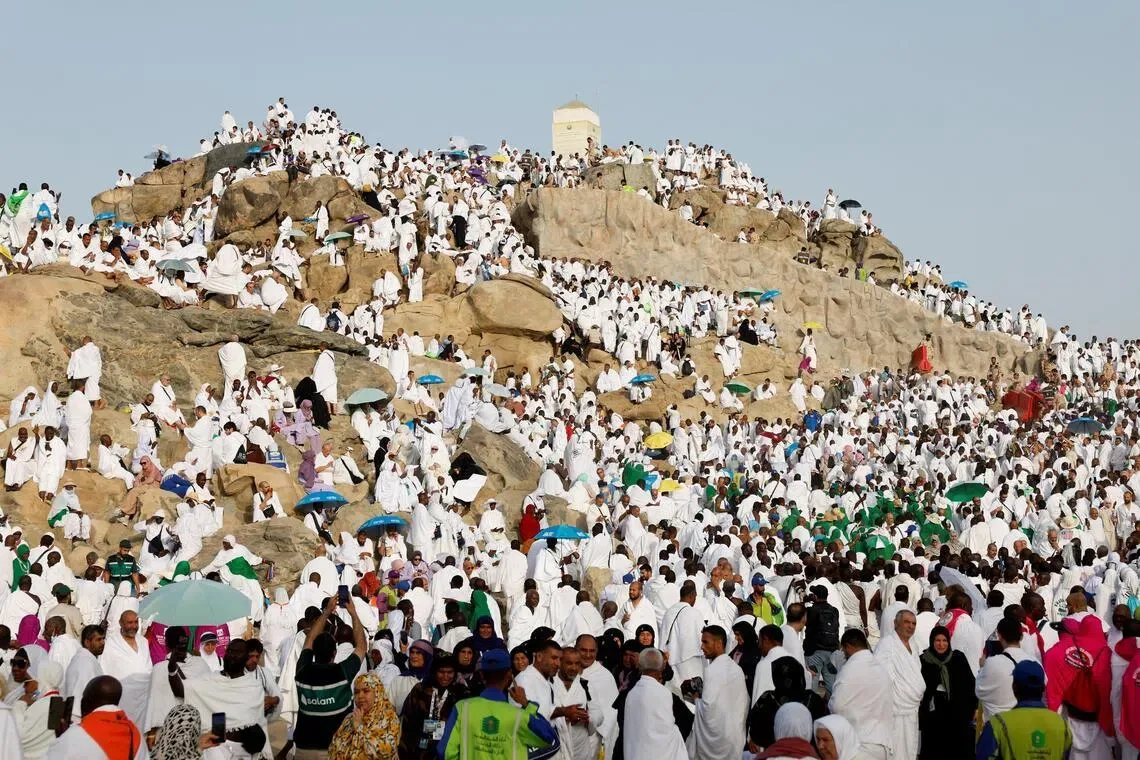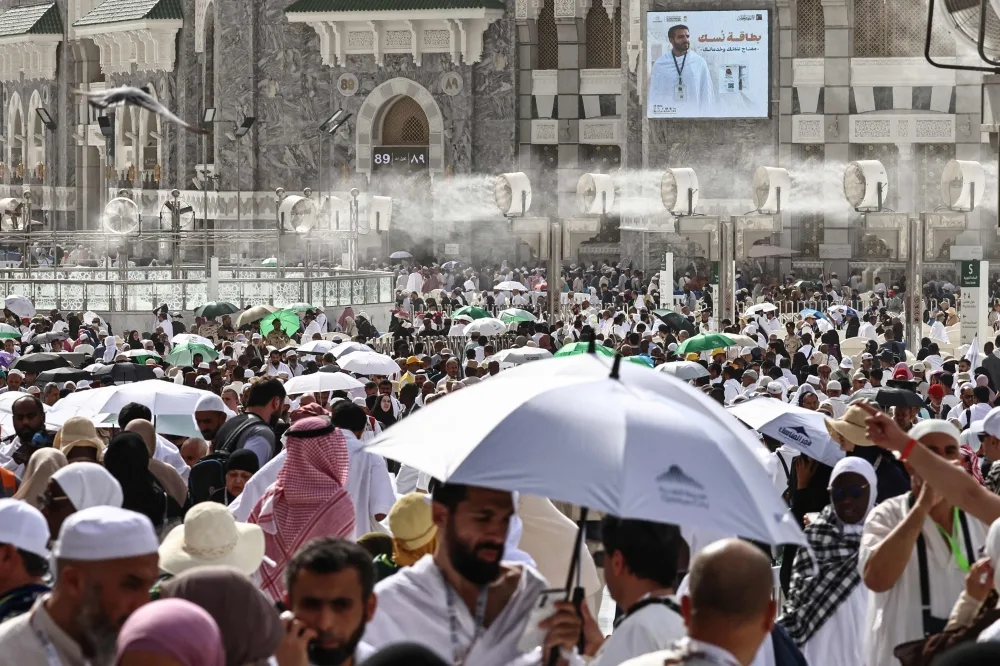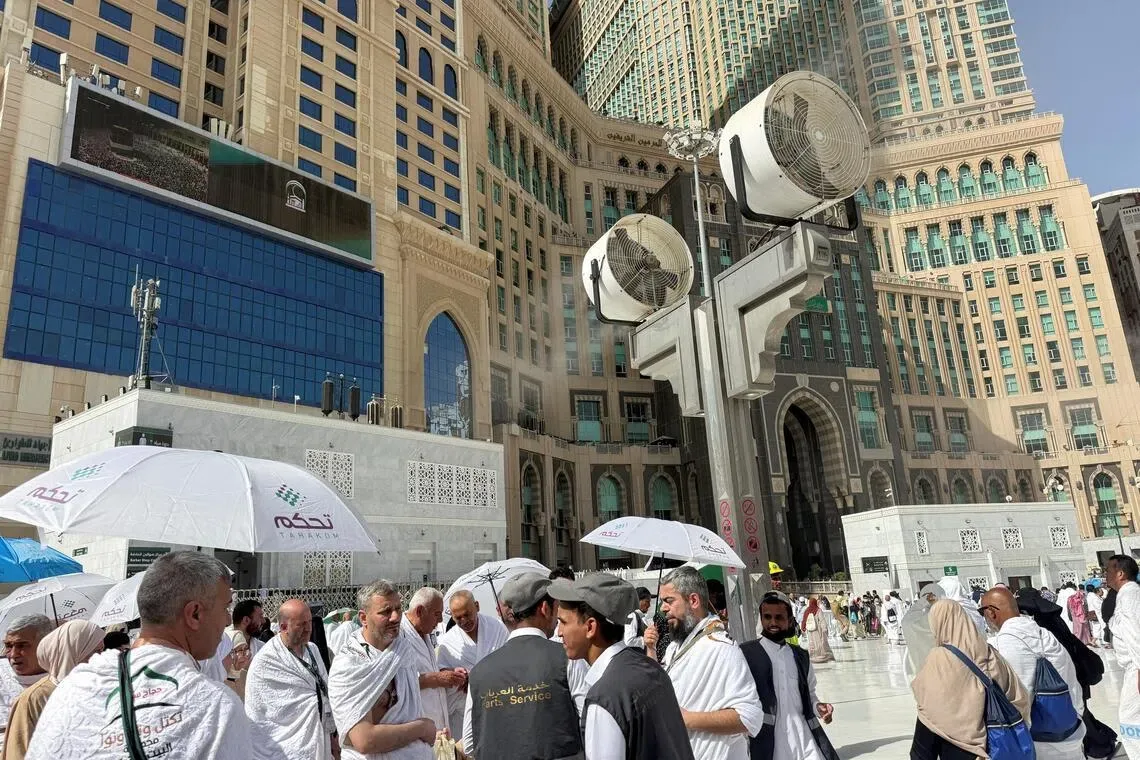
The 2026 Hajj pilgrimage took place at the end of May in Mecca amid temperatures surpassing 40°C, posing serious heat risks to pilgrims [1, 2, 3, 4]. Over 1.7 million Muslims from 165 countries participated, including 1.55 million international pilgrims and 160,600 from within Saudi Arabia [5]. The Saudi Red Crescent reported providing emergency services to more than 83,000 people during the six-day event [6, 7, 4].
May temperatures in Mecca are now about 3.5°C higher than before industrialization, with days regularly reaching 40°C, a level historically unseen in this month [1, 2, 3, 8]. Despite the Islamic lunar calendar causing Hajj to shift roughly 11 days earlier each year—gradually bringing the pilgrimage closer to cooler winter months—climate change is driving overall temperature rises that will likely overwhelm any short-term seasonal relief [1, 2, 3, 8].
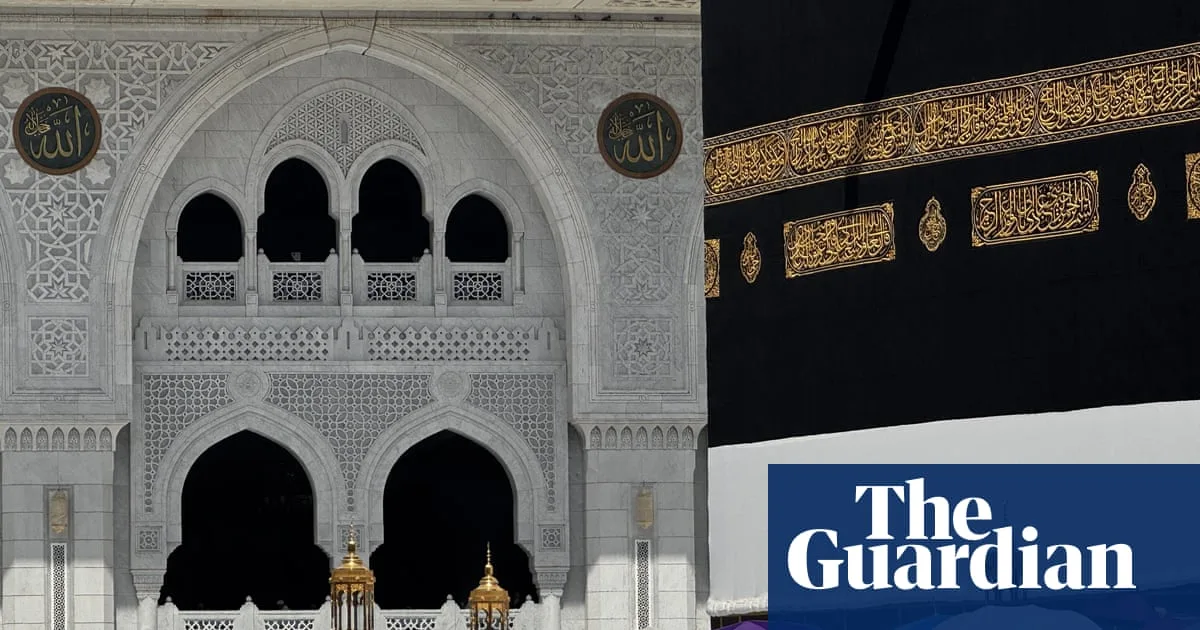
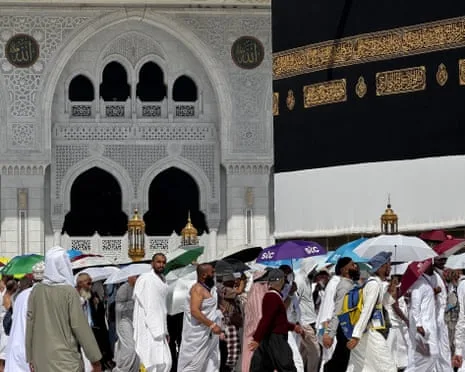
The heat dangers are not new. In 2024, during Hajj when temperatures exceeded 50°C, more than 1,300 pilgrims died due to extreme heat and humidity [1, 2, 6, 7, 3, 4, 8]. Pilgrims in 2026 faced intense conditions during key rituals such as the stoning of the devil in Mina and the farewell circumambulation (tawaf) at the Grand Mosque on May 29-30 [6, 7, 4, 5]. Ahmed Mamdouh, a 2026 pilgrim, said, "I can’t believe I completed the haj. I am very happy that I completed the rituals safely. Haj is truly exhausting, especially in such hot weather" [6].
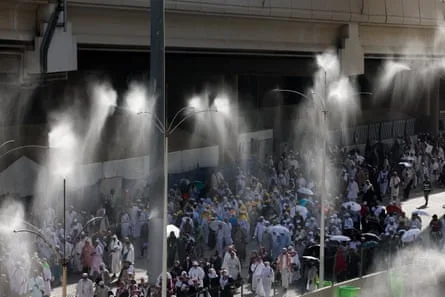
Saudi authorities have implemented heat mitigation measures, including shaded walkways, cooling stations, expanded medical services, and widespread use of air conditioning to reduce heat-related illnesses during the pilgrimage [1, 2, 6, 7, 3, 4, 8]. These efforts helped lower health risks despite still dangerous conditions.
Regional conflict affected participation. The ongoing Middle East tensions involving US-Israeli strikes and Iranian retaliation reduced Iranian pilgrim numbers to about 30,000, roughly one-third of the expected 86,000 [6, 7, 4]. Pilgrims formed large international contingents representing 165 countries.
Scientists warn the heat threat will grow. A 2019 US study projected that heat stress during Hajj will again exceed extreme danger thresholds between 2047–2052 and 2079–2086 if warming continues [2, 3, 8]. Prof Friederike Otto warned, "If we don’t rapidly reduce our dependence on fossil fuels – an industry at the very centre of the Saudi economy – we are resigning ourselves to the fact that millions of Muslims will be forced to carry out the hajj rituals in a climate that is simply unsuitable for it" [1]. Dr Clair Barnes added, "Our analysis shows very clearly that less of the year is now safe for the millions of Muslims who wish to undertake the hajj" [1].
The 2026 Hajj season concluded with pilgrims leaving Mecca after completing rituals including the overnight stay in Muzdalifah, standing at Mount Arafat, symbolic stoning of Satan, and the tawaf at the Grand Mosque [5]. Without swift fossil fuel cuts, dangerous heat conditions are expected to be nearly year-round for future pilgrimages by the end of the century [1, 8].